
7 Health and Wellness Examples for a Healthier Life
Staying healthy can feel overwhelming when busy schedules, stress, and conflicting advice get in the way. You’re not alone—many people struggle to turn wellness goals into simple daily habits, so finding practical health and wellness examples can make the process easier.
Build a healthier life by choosing nourishing foods, including vegetables, whole grains, lean proteins, and healthy fats.
Move your body daily with walking, dancing, cycling, or strength exercises.
Drink water regularly and limit sugary beverages.
Prioritize consistent, restful sleep in a cool, dark room.
Manage stress with mindful breathing and gentle activity.
Strengthen supportive relationships through regular connection.
Schedule screenings, vaccinations, and dental visits to catch concerns early.
Keep exploring these habits to make wellness part of your everyday routine.
Key Takeaways
- Eat mostly minimally processed foods, including vegetables, fruits, whole grains, beans, lean proteins, nuts, and healthy fats.
- Stay hydrated by carrying a reusable water bottle and choosing water instead of sugary drinks.
- Move daily with activities like walking, cycling, dancing, stretching, and strength exercises twice weekly.
- Prioritize restful sleep by maintaining consistent schedules, limiting evening screens, and creating a cool, dark environment.
- Strengthen overall wellness through supportive relationships, stress-management techniques, preventive healthcare, screenings, and vaccinations.
Choose More Nourishing Foods

Choosing more nourishing foods can improve your energy, support your immune system, and help you feel your best. Build balanced meals around vegetables, fruits, whole grains, beans, nuts, seeds, lean proteins, and healthy fats.
Nourishing foods fuel your body, support immunity, and make balanced, satisfying meals easier to enjoy every day.
These foods provide essential nutrients and keep you satisfied longer. During supermarket shopping, follow a list that emphasizes fresh and minimally processed options.
Read nutrition labels, compare ingredients, and limit products high in added sugar, sodium, and saturated fat. Don’t label foods as completely “good” or “bad”; instead, focus on variety and reasonable portions.
Meal planning can simplify healthy choices throughout your week. Choose a few recipes, prepare ingredients ahead of time, and keep convenient foods available for busy days.
Drink water regularly, and enjoy treats mindfully without guilt. Pay attention to hunger and fullness cues so you can eat intentionally.
Small, consistent changes can make nourishing choices feel natural and sustainable. You’ll also save time and reduce impulsive purchases.
Move Your Body Every Day

Moving your body every day can boost your mood, strengthen your muscles, and support overall health. You don’t need an intense workout to benefit.
Take a brisk walk, dance to your favorite music, ride a bike, or play actively with your family. Choose activities you enjoy so exercise feels rewarding rather than burdensome.
Add strength exercises, such as squats, lunges, wall pushups, or resistance-band movements, two or more days each week. These activities help you build stability and make everyday tasks easier.
Include gentle stretching routines before or after movement to improve flexibility, release tension, and reduce stiffness.
Pay attention to posture as you sit, stand, and walk. Keep your shoulders relaxed, align your head over your spine, and avoid slouching.
If you work at a desk, stand and move regularly. Start with small, consistent steps, listen to your body, and increase intensity gradually.
Daily movement can energize you, sharpen your focus, and help you sleep better.
Drink More Water Throughout the Day
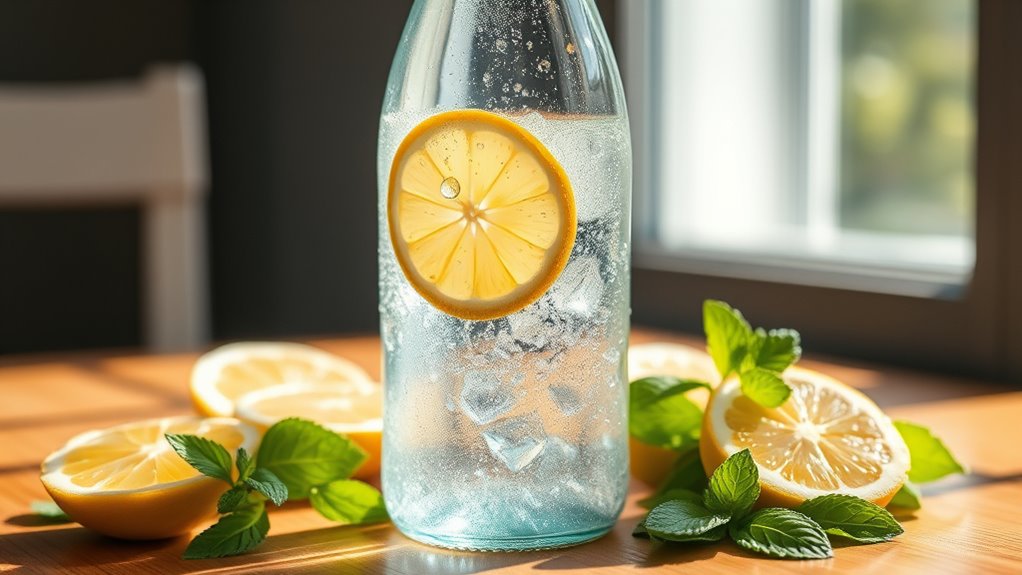
Stay hydrated by setting reminders to drink water throughout the day. Keep a reusable bottle with you so water is always within reach. And choose water with your meals to make hydration an easy daily habit.
Set Water Reminders
Do you often realize you’ve gone hours without drinking water? Simple reminders can help you build consistent hydration habits without interrupting your routine.
Set alarms on your phone for key moments, such as when you wake up, begin work, take a break, eat lunch, and finish your afternoon tasks.
You can also use calendar alerts, smartwatch notifications, or wellness apps that encourage regular sips. Choose reminders that match your daily rhythm, and adjust them if they become distracting.
Instead of waiting until you feel thirsty, follow flexible water intake schedules that spread drinking opportunities across the day.
Pair each alert with an existing habit, like checking email or returning from a meeting. When reminders become familiar, drinking water feels automatic rather than another task you must remember.
Carry A Reusable Bottle
A reusable bottle keeps water within reach, making it easier to drink throughout the day. Choose one that fits comfortably in your hand, bag, or car cup holder, so you’ll actually carry it.
Marked measurement lines can help you track your intake without guesswork. Refill your bottle whenever it’s empty, and take regular sips while you work, exercise, or travel.
You can also select a durable design with a leakproof lid to prevent spills and reduce daily waste. This simple habit supports eco friendly hydration by replacing many single-use plastic bottles.
Look for sustainable containers made from stainless steel, glass, or sturdy, BPA-free plastic. Clean your bottle each evening, especially around the lid and mouthpiece, to keep it fresh.
With water always nearby, drinking more becomes natural and convenient.
Choose Water With Meals
Choosing water with meals makes hydration an easy part of your daily routine. Keep a glass nearby before you sit down, and take steady sips while you eat.
This simple meal pairing can help you remember to drink regularly without relying on thirst alone. Water also supports digestion, helps regulate body temperature, and refreshes your palate between bites.
If plain water feels boring, add lemon, cucumber, or fresh mint for flavor without added sugar. Build consistent hydration habits by drinking water at breakfast, lunch, and dinner, then continue sipping between meals.
You don’t need to wait until you feel thirsty to refill your glass. When you eat away from home, choose water instead of sugary drinks whenever possible.
Over time, this choice can support your energy, focus, and overall wellness.
Prioritize Better-Quality Sleep
Quality sleep supports your mood, focus, immune system, and overall health. You’ll feel more energized when you give your body enough time to rest and recover.
Aim for a consistent bedtime and wake-up time, even on weekends, to strengthen your natural sleep rhythm.
Create a calming sleep environment by keeping your bedroom cool, dark, and quiet. Choose comfortable bedding, silence unnecessary notifications, and reserve your bed for sleep whenever possible.
Turn off bright screens before bedtime, since their light can interfere with your body’s sleep signals. A relaxing routine, such as reading, gentle stretching, or taking a warm bath, can help you transition into rest.
Avoid caffeine late in the day and limit heavy meals close to bedtime. If you wake during the night, keep the lights low and return to bed when you feel drowsy.
Dream journaling can help you remember patterns and reflect on your sleep experience. Consistent habits can make restful sleep easier to achieve.
Use Healthy Ways to Manage Stress
Manage stress with simple, healthy habits that support your well-being. Try mindful breathing to calm your mind, and exercise regularly to release tension. Together, these habits can help you feel more balanced and resilient.
Practice Mindful Breathing
When stress starts to build, pause and take a few slow, mindful breaths. Inhale gently through your nose for four counts, hold briefly, then exhale through your mouth for six counts.
Repeat this pattern several times, keeping your shoulders relaxed and your attention on each breath. These simple breathing techniques can slow your heart rate, quiet racing thoughts, and support stress reduction during challenging moments.
If your mind wanders, notice the distraction without judgment and return your focus to your breathing. You can practice at your desk, before a difficult conversation, or whenever tension appears.
Try setting a daily reminder to pause for one minute. With regular practice, mindful breathing can help you respond thoughtfully instead of reacting automatically when pressure rises.
It’s simple, private, and always available.
Exercise Regularly
Regular exercise can ease stress by releasing tension, improving your mood, and helping you sleep more soundly. You don’t need an intense program to feel these benefits. Start with a brisk walk, gentle cycling, dancing, or another activity you enjoy for 20 to 30 minutes.
Choose realistic goals, such as moving five days a week, and increase your pace gradually. Add stretching routines before or after exercise to relax tight muscles and support comfortable movement.
Include workout variety so your routine stays interesting and challenges different muscle groups. You might combine strength training, yoga, swimming, and outdoor activities throughout the week.
Pay attention to your body, drink water, and rest when necessary. When stress feels overwhelming, move gently and focus on steady breathing rather than performance.
Consistent activity can help you feel calmer, stronger, and more prepared to manage daily demands.
Strong social connections can boost your mood, reduce stress, and support overall well-being. Make time for people who energize you, whether you meet for coffee, call after work, or share a hobby.
You don’t need a large circle; a few dependable relationships can provide meaningful emotional support.
| Action | Simple example | Benefit |
|---|---|---|
| Reach out | Text a friend today | Builds closeness |
| Join in | Attend a local class | Encourages community engagement |
Listen attentively, celebrate others’ successes, and communicate honestly when you need help.
You’ll strengthen trust by showing up consistently and respecting each person’s boundaries.
If busy schedules interfere, plan recurring gatherings or use video calls to stay connected.
Volunteering, neighborhood events, and interest-based groups can also help you meet people with shared values.
Notice how connection affects your mood, and choose relationships that feel safe, encouraging, and reciprocal.
Small, regular efforts matter more than occasional grand gestures.
Put your phone away during conversations so others feel heard, and invite quieter acquaintances into low-pressure activities.
Social wellness grows through genuine presence.
Keep Up With Preventive Care
Preventive care helps you catch health concerns early and stay on track with screenings, vaccinations, dental visits, and routine checkups. When you prioritize your health today, you give yourself more opportunities to enjoy tomorrow with confidence and peace of mind.
Preventive care helps you stay ahead of health concerns, supporting confidence, wellness, and peace of mind for the future.
Schedule routine health screenings based on your age, medical history, and risk factors. Ask your healthcare professional which tests you need and how often you should repeat them.
Review vaccination schedules regularly, since protection can change as you age or your circumstances shift. Keep dental appointments, monitor changes in your body, and share unusual symptoms promptly.
- Book appointments: Put checkups and screenings on your calendar before life gets busy.
- Prepare questions: Write down concerns, medications, and family health updates.
- Follow through: Complete recommended tests, treatments, and referrals without delay.
Preventive visits aren’t merely tasks; they’re acts of self-respect. By staying engaged, you can uncover problems sooner, make informed choices, and protect the future you’re working hard to build.
Frequently Asked Questions
How Can I Set Realistic Health and Wellness Goals?
Set realistic health and wellness goals by starting small, choosing specific actions, and tracking steady progress. Instead of aiming to lose a large amount quickly, commit to walking 20 minutes three times weekly or drinking more water daily.
Include meal planning to support nutritious choices, and practice stress management through breathing, stretching, or better sleep. Review your goals weekly, celebrate improvements, and adjust expectations when life changes. Consistency matters more than perfection.
Which Wearable Devices Best Support Healthy Lifestyle Changes?
Your best wearable is a compass for daily choices: choose a fitness tracker or smartwatch with accurate fitness tracking, heart-rate readings, reminders, and goal customization. For recovery, prioritize sleep monitoring that records duration, consistency, and stages.
Devices from Apple, Garmin, Fitbit, and Samsung offer strong options, so compare battery life, comfort, app quality, and phone compatibility. Pick the device you’ll wear consistently, then use its insights to guide manageable changes.
How Do I Maintain Healthy Habits While Traveling?
You can maintain healthy habits while traveling by planning simple choices before you leave. Pack nutritious snacks, prioritize Travel nutrition at restaurants, and drink water regularly.
Keep flexible exercise routines, such as walking tours, hotel-room strength exercises, or short stretching sessions. Protect your sleep by maintaining a consistent bedtime when possible.
Don’t aim for perfection; make balanced decisions, recover quickly after indulgences, and use wearable reminders to stay active throughout your trip.
What Role Does Financial Wellness Play in Overall Health?
Financial wellness shapes your overall health because money pressures can affect your sleep, mood, relationships, and physical choices. Nearly 60% of adults report feeling stressed about money, illustrating how widespread the issue is.
Financial stress may increase anxiety and encourage unhealthy coping habits, while economic stability helps you afford nutritious food, healthcare, housing, and exercise. You can strengthen wellness by budgeting, building emergency savings, managing debt, and seeking trustworthy financial guidance when needed.
How Can I Create a Personalized Wellness Plan?
You can create a personalized wellness plan by evaluating your current habits, goals, needs, and available resources. Set specific, realistic targets for movement, sleep, hydration, and nutrition planning.
Add stress management techniques, such as breathing exercises, journaling, or scheduled breaks. Track your progress weekly, celebrate small improvements, and adjust your plan when circumstances change.
Consult a qualified professional for personalized guidance, especially if you manage medical conditions or take medications regularly.
Conclusion
A healthier life grows from small choices you make each day. Fill your plate with nourishing foods, move your body, and let water flow like a steady stream.
Protect your sleep, manage stress with healthy tools, and nurture relationships that brighten your path. Keep preventive care on your calendar so you can spot problems early.
Together, these habits form a sturdy bridge toward greater energy, resilience, and well-being, helping you build a healthier life one mindful step at a time. Health and wellness examples.