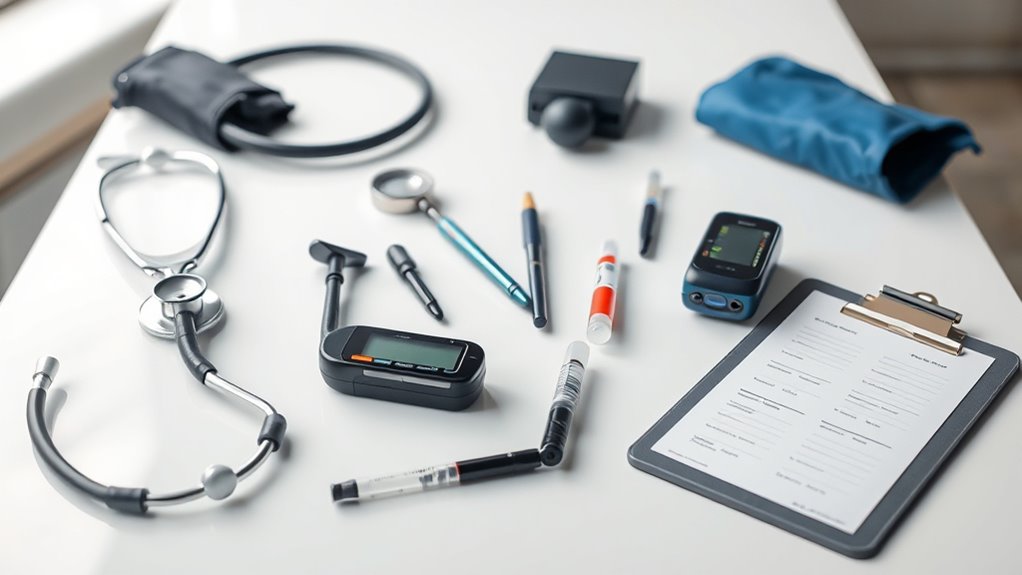
10 Things Included in a Comprehensive Health Screening
Many people find it difficult to know which health checks they really need, especially when appointments feel rushed or overwhelming. You’re not alone—understanding what’s included in a comprehensive health screening can help you feel prepared and confident about your next checkup.
A thorough health screening gives you a broad view of your health. It typically includes your medical and family history, physical exam, height, weight, BMI, and vital signs.
You’ll often receive blood tests for glucose, cholesterol, kidney and liver function, anemia, and nutritional concerns. Your provider may discuss lifestyle habits, mental health, medications, vaccinations, and genetic risks.
Age-appropriate screenings, result interpretation, follow-up testing, and personalized prevention advice complete the assessment. Investigate each component to prepare for your next checkup.
Key Takeaways
- Medical history review, including family conditions, medications, allergies, surgeries, symptoms, lifestyle, and mental health.
- Physical examination measuring blood pressure, pulse, temperature, height, weight, BMI, and oxygen saturation when appropriate.
- Laboratory testing such as blood glucose, cholesterol, complete blood count, kidney function, liver function, and nutritional markers.
- Preventive care review covering vaccinations, genetic risks, age-appropriate cancer screenings, and personalized health recommendations.
- Results interpretation and follow-up planning, including repeat tests, specialist referrals, treatment adjustments, and ongoing monitoring.
What Does a Comprehensive Health Screening Include?
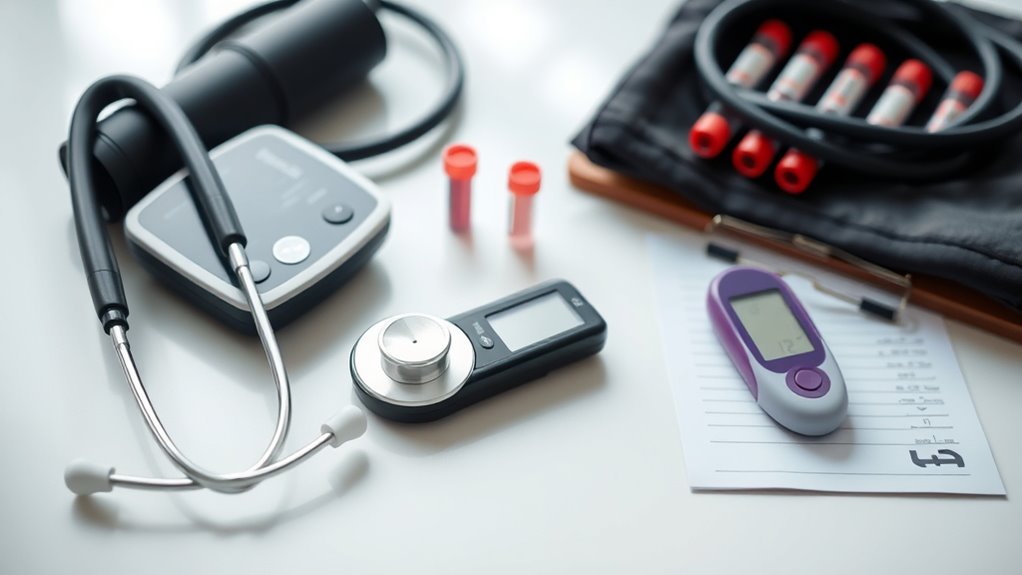
A thorough health screening combines a medical history review, physical examination, and preventive tests tailored to your age, sex, risk factors, and health goals. During your appointment, you’ll discuss current symptoms, medications, lifestyle habits, allergies, and concerns so your clinician can choose appropriate evaluations without unnecessary testing.
Your provider may measure blood pressure, heart rate, temperature, weight, height, and body mass index, then examine your heart, lungs, abdomen, skin, eyes, ears, and nervous system.
A comprehensive physical exam checks vital signs and key body systems to identify concerns and support your overall health.
Laboratory work may assess cholesterol, blood sugar, blood counts, kidney function, or other markers based on your needs. Screening can also include cancer tests, vision and hearing checks, mental health assessments, and sexually transmitted infection testing.
Your clinician may consider genetic predispositions when recommending targeted tests or counseling. Preventive vaccinations, such as influenza, tetanus, or HPV immunizations, may also be reviewed and updated.
You’ll leave with practical guidance, follow-up recommendations, and clear next steps for protecting your health.
Review Your Medical and Family History

Before selecting exams or laboratory tests, your clinician will review your personal and family medical history. You’ll discuss previous diagnoses, surgeries, hospital stays, allergies, medications, and ongoing symptoms.
Share accurate details, including when conditions began and how treatments affected you. Mention lifestyle factors, occupational exposures, and relevant mental health concerns so your clinician can assess your overall risks.
Your family history can reveal patterns involving cancer, heart disease, diabetes, autoimmune disorders, or inherited conditions. Tell your clinician which relatives had these illnesses, their ages at diagnosis, and, when known, their causes of death.
This information may indicate whether you need earlier or more frequent screening.
If your history suggests an inherited risk, your clinician may recommend genetic counseling. A counselor can explain testing options, potential results, and implications for relatives.
Together, you can develop preventive strategies, such as targeted screenings, vaccinations, medication changes, or lifestyle adjustments. Bring medical records and a current medication list to improve accuracy.
Check Your Height, Weight, and Vital Signs
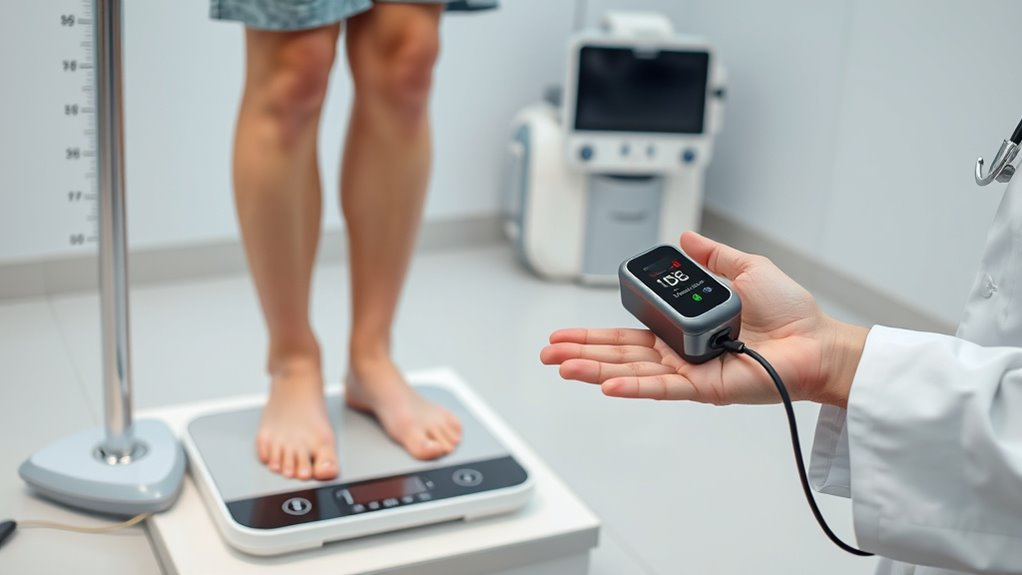
During your visit, your clinician will measure your height, weight, blood pressure, pulse, temperature, and possibly oxygen level. These measurements provide a quick snapshot of how your body is functioning and establish useful comparisons for future visits.
Your clinician may also calculate your body mass index (BMI), while recognizing that it doesn’t describe muscle mass or overall health by itself.
| Measurement | What It Shows | Why It Matters |
|---|---|---|
| Height and weight | Body size and changes | Supports health assessment |
| Blood pressure | Artery pressure | Identifies cardiovascular concerns |
| Pulse and temperature | Heart rate and heat | Reveals immediate changes |
Your results can guide a conversation about dietary habits, exercise routines, sleep, stress, and other factors affecting your well-being.
Wear comfortable clothing and mention recent symptoms, medications, or unusual readings. Ask what your numbers mean, how often you should recheck them, and which changes deserve prompt attention.
Regular tracking helps you and your clinician notice trends early and plan practical steps for maintaining good health.
Test Blood Sugar and Diabetes Risk
Blood sugar testing can show whether your glucose levels are within a healthy range and help identify prediabetes or diabetes early. During a comprehensive health screening, your provider may order a fasting glucose test, A1C test, or another measurement based on your health history and risk factors. You might need to fast beforehand, so follow the testing instructions carefully.
Your results can reveal how your body processes glucose over time. If they’re elevated, your provider may recommend repeat testing, discuss symptoms, or create a plan to lower your risk.
You can support healthy blood sugar through balanced meals, portion awareness, and consistent diet management. Regular exercise routines can also improve insulin sensitivity and support weight management.
Don’t ignore increased thirst, frequent urination, unusual fatigue, or blurred vision. Report these symptoms promptly, and ask when you should retest, especially if diabetes runs in your family or you’ve had abnormal results before.
Check Cholesterol and Heart Disease Risk
A cholesterol test measures fats in your blood and helps estimate your risk of heart disease and stroke. Your results typically include total cholesterol, LDL (“bad”) cholesterol, HDL (“good”) cholesterol, and triglycerides.
Your healthcare professional may compare these values with your age, blood pressure, smoking status, diabetes history, and family history to calculate your overall cardiovascular risk.
You may need testing every few years, or more often if you have elevated levels, cardiovascular disease, or other risk factors. Ask whether you should fast before the test, because some panels require it.
High LDL or triglycerides may prompt diet modifications, such as eating more fiber and reducing saturated and trans fats. Regular exercise can boost HDL and support healthier cholesterol levels.
Your clinician might also recommend medication, particularly when lifestyle changes don’t lower your risk enough. Follow-up testing shows whether your plan works and helps guide adjustments.
Knowing your numbers empowers you to safeguard your heart.
Test Kidney and Liver Function
You’ll assess kidney function with blood and urine tests that measure filtration and waste removal. For liver health, tests such as enzyme and bilirubin measurements can indicate inflammation or impaired function. Talk with your healthcare provider about which tests are appropriate for your health needs.
Kidney Function Tests
Kidney function tests check how well your kidneys filter waste and maintain your body’s fluid, electrolyte, and acid–base balance. During screening, you’ll usually provide blood and urine samples.
A creatinine blood test helps estimate your glomerular filtration rate (eGFR), while urine testing can detect protein, blood, or other abnormalities. Your clinician interprets results alongside your age, medical history, medications, and blood pressure.
| Test | What it assesses |
|---|---|
| Creatinine | Waste buildup |
| eGFR | Filtration efficiency |
| Urinalysis | Blood and protein |
These renal diagnostics can reveal early changes before you notice symptoms. You’ll support kidney health by controlling blood pressure, managing diabetes, staying hydrated as advised, and avoiding unnecessary anti-inflammatory pain medicines.
Abnormal findings don’t always indicate permanent disease, so your clinician may repeat tests or recommend imaging and specialist evaluation. Share supplements and medicines before testing.
Liver Health Markers
Liver function tests measure enzymes and proteins in your blood to assess liver health and detect inflammation, injury, or impaired bile flow. Liver enzyme tests commonly include ALT, AST, ALP, and GGT, while bilirubin and albumin provide additional information about processing and protein production.
Your clinician may order these tests during routine screening, especially if you take medications, drink alcohol regularly, or have risk factors for liver disease. Hepatitis screening checks for infections such as hepatitis A, B, or C, which can damage your liver without early symptoms.
Abnormal results don’t always indicate permanent disease. Exercise, medicines, or temporary illness can affect them. Your healthcare professional may repeat testing or recommend imaging and follow-up tests to identify the cause and guide treatment.
Regular screening helps you protect your liver health.
Screen for Anemia and Blood Disorders
You can screen for anemia and other blood disorders with a complete blood count (CBC). Your clinician may also check your iron and hemoglobin levels to look for deficiencies or abnormal blood counts. These results can help guide timely treatment and follow-up care.
Complete Blood Count
How can a simple blood test reveal so much about your health? A complete blood count (CBC) gives you a broad snapshot of your blood and immune system. It measures red blood cells, white blood cells, platelets, and related cell characteristics.
Your healthcare professional can use these results to spot unusual patterns that may suggest anemia, infection, inflammation, or a blood disorder. The test also supports a nutritional assessment by helping identify changes that may reflect vitamin deficiencies or other dietary concerns.
If your results or family history raise questions, your clinician might recommend genetic testing or additional evaluations. A CBC doesn’t provide a diagnosis by itself, but it helps guide follow-up care and shows whether you need more targeted testing.
You’ll typically need only a routine blood draw.
Iron and Hemoglobin Levels
Iron and hemoglobin testing helps assess whether your blood carries enough oxygen and may reveal anemia or other blood disorders. Your clinician may order these tests if you experience fatigue, weakness, dizziness, shortness of breath, or pale skin.
Results can indicate iron deficiency, vitamin deficiencies, chronic disease, or inherited conditions. Understanding hemoglobin level significance helps you recognize whether follow-up testing or treatment may be necessary.
- Review dietary iron sources, including lean meat, beans, lentils, spinach, and fortified cereals.
- Discuss heavy menstrual bleeding, digestive symptoms, or dietary restrictions with your clinician.
- Avoid taking iron supplements unless testing confirms a need and your clinician recommends them.
- Follow-up testing can monitor treatment and identify continuing blood loss or absorption problems.
Your clinician interprets results alongside your complete blood count, symptoms, medical history, and other laboratory findings to create an appropriate care plan.
Discuss Lifestyle and Mental Health
A thorough health screening should include your lifestyle and mental health because daily habits, stress, sleep, and emotional well-being can affect your overall health. Your clinician may ask about nutrition, physical activity, alcohol, tobacco, recreational drugs, relationships, work demands, and typical sleep patterns.
> Comprehensive health screenings explore lifestyle, habits, stress, sleep, relationships, and emotional well-being to support personalized, effective care.
Answer honestly so you receive useful guidance rather than judgment.
You can discuss mood changes, persistent worry, irritability, loneliness, burnout, or difficulty coping. Your clinician might use brief questionnaires to identify depression, anxiety, sleep problems, or substance-use concerns and connect you with appropriate support.
Together, you can set realistic goals, such as moving more, improving sleep routines, or eating balanced meals.
Mindfulness practices, including focused breathing or meditation, may help you notice stress without reacting automatically. Your clinician can also recommend stress management techniques, counseling, support groups, or other resources.
Seek prompt help if you’re experiencing thoughts of self-harm, severe distress, or an inability to manage daily responsibilities.
Review Screenings for Your Age and Risk
Your age helps determine which routine screenings you need and when to schedule them. Your family history, lifestyle, and medical conditions may also affect which additional health assessments you need. Talk with your healthcare provider to create a screening plan that fits your needs.
Age-Based Screening Guidelines
As you age, recommended screenings change based on your health history, family risks, and lifestyle. Your clinician can help you follow a schedule that supports early detection and prevention.
Begin with routine checkups, then update screenings as you reach new milestones. Ask when you should receive genetic testing, especially if relatives developed certain conditions early.
Keep vaccination schedules current because protection needs can change throughout adulthood.
- In your 20s and 30s, maintain blood pressure, cholesterol, sexual health, and mental health checks.
- In your 40s, discuss diabetes screening and begin age-appropriate cancer evaluations.
- In your 50s and 60s, follow colorectal, breast, cervical, prostate, lung, and bone health recommendations.
- After 65, review vision, hearing, fall prevention, and immunizations regularly.
Don’t skip appointments simply because you feel healthy. Bring your medication list and questions so you can personalize your screening calendar.
Risk-Focused Health Assessments
Screening plans should reflect more than age alone. Review your family history, lifestyle, symptoms, and existing conditions with your clinician to identify tests you may need sooner or more often.
Genetic predispositions can increase your risk for conditions such as breast, colorectal, heart, or thyroid disease. Share relatives’ diagnoses, ages at diagnosis, and any known inherited mutations.
Your clinician may recommend earlier imaging, blood tests, genetic counseling, or specialized monitoring.
Discuss smoking, alcohol use, nutrition, activity, sleep, and workplace or environmental exposures, because these factors can shape screening decisions. Lifestyle modifications may reduce risk, but they don’t replace appropriate testing.
Update your assessment after major health changes, new symptoms, pregnancy, medication changes, or a newly diagnosed family condition.
Ask which screenings you need now and when to repeat them.
Understand Your Results and Next Steps
Once you receive your thorough health screening results, review them with your healthcare provider to understand what they mean and what to do next. Ask questions about unfamiliar terms, abnormal values, and how your results compare with healthy ranges.
One result rarely tells the whole story, so consider your symptoms, medical history, medications, and family risks together.
Your provider can help you:
- Identify findings that need monitoring, testing, or treatment.
- Create preventive strategies tailored to your age, risks, and goals.
- Set practical targets for nutrition, activity, sleep, and stress management.
- Schedule follow-up visits and repeat screenings at appropriate intervals.
Don’t panic over a flagged result. Ranges vary, and some findings require confirmation.
Likewise, normal results don’t guarantee lifelong health. Share updates about new symptoms or health changes between appointments.
Keep a copy of your results and track recommendations so you can follow through confidently. By combining medical guidance with daily habits, you support holistic wellness and make informed decisions about your future health.
Frequently Asked Questions
How Should I Prepare for a Comprehensive Health Screening?
You should confirm your appointment details and ask whether you’ll need to follow fasting requirements. Typically, you may need to avoid food and caloric drinks for eight to twelve hours, while water remains encouraged.
Wear comfortable clothing, and bring your identification, medication list, medical records, and insurance information. Take prescribed medicines only as directed.
Follow any additional preparation tips from your provider, including avoiding strenuous exercise, alcohol, and supplements before testing, if advised.
How Long Does a Comprehensive Health Screening Appointment Usually Take?
You’ll usually spend one to two hours at a thorough health screening appointment, though the appointment duration varies by provider and your needs. Think of it as a health roadmap, with each screening component adding direction.
Expect time for registration, medical-history questions, essential signs, blood tests, physical examination, and possible imaging or specialist consultations.
Fasting, paperwork, or follow-up testing may extend your visit, so reserve extra time and confirm the schedule beforehand.
Is a Comprehensive Health Screening Covered by Health Insurance?
Insurance coverage for a thorough health screening depends on your plan, location, and the services included. Your insurer may cover preventive tests, such as blood pressure, cholesterol, or cancer screenings, but you might pay screening costs for routine checkups, optional assessments, or out-of-network providers.
Check your benefits, deductible, copay, and network rules before scheduling. You can also call your insurer or clinic to confirm covered services and expected charges in advance.
How Often Should I Schedule a Comprehensive Health Screening?
You should usually schedule a thorough health screening annually, because waiting until something feels wrong is a wonderfully efficient way to miss early warning signs.
Your ideal timing depends on your age, medical history, family risks, lifestyle, and insurance guidance.
During preventive care visits, your clinician can perform a risk assessment and recommend appropriate tests.
You may need screenings more or less often, so follow your clinician’s personalized schedule and update it after major health changes.
Can Children or Teenagers Receive Comprehensive Health Screenings?
Yes, your child or teenager can receive a thorough health screening, and regular visits support healthy growth and development. Pediatric assessments typically review height, weight, vision, hearing, immunizations, nutrition, sleep, behavior, and developmental milestones.
As your child grows, teen wellness visits may also address mental health, puberty, substance use, sexual health, and safety. Your healthcare provider will tailor screenings to age, medical history, family risks, and current concerns.
Schedule routine appointments even when your child feels well.
Conclusion
A thorough health screening can feel like a crystal ball for your wellbeing, revealing risks before they become overwhelming storms. By reviewing your history, essential signs, blood sugar, cholesterol, blood counts, lifestyle, mental health, and age-based screenings, you’ll gain a clearer health roadmap.
Don’t let confusing results leave you spinning. Ask questions, follow your clinician’s recommendations, and schedule needed follow-ups. A little attention today can protect your future from enormous, preventable problems and make a comprehensive health screening a valuable part of your long-term wellness plan.