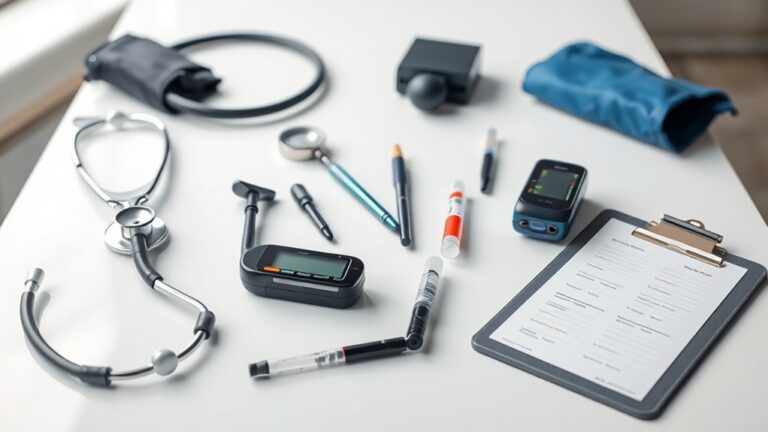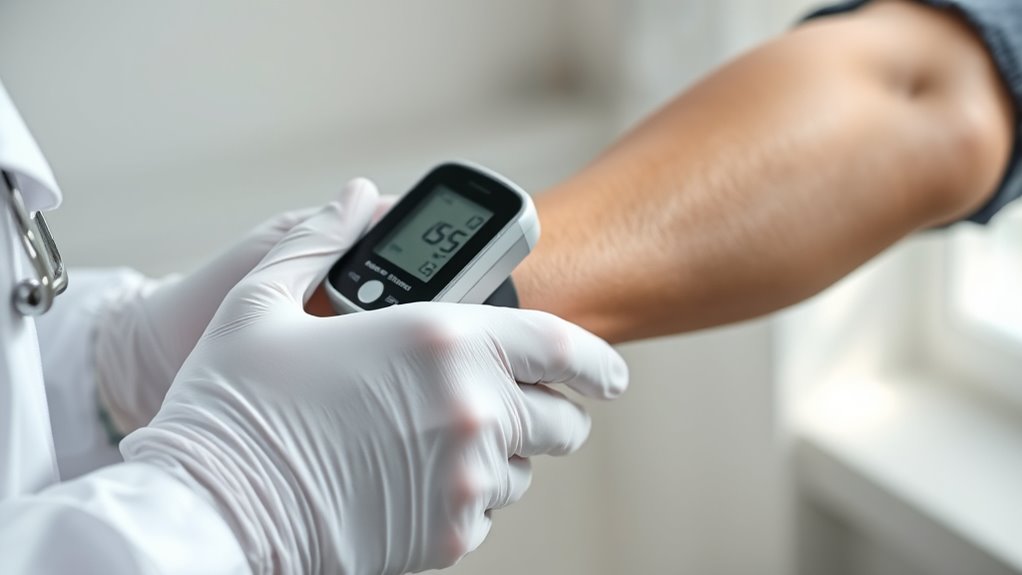
What Is a Health Screening Check?
Many people worry about their health but put off checkups because they’re unsure what to expect. You’re not alone—a health screening check can make it easier to spot potential concerns early and take practical steps toward better health.
A health screening check is a routine assessment that helps identify health risks before symptoms appear. During one, you may answer questions and receive checks for blood pressure, cholesterol, blood glucose, weight, vision, hearing, or other indicators.
Your healthcare provider may also discuss lifestyle, family history, medications, and mental health.
Results can guide prevention, follow-up, or further testing.
Screening needs vary by age and risk factors, and you’ll find more guidance on preparation and results below.
Key Takeaways
- A health screening check is a routine assessment designed to detect illnesses or health risks before symptoms appear.
- It may include blood pressure, cholesterol, blood glucose, weight, vision, hearing, physical examinations, lab tests, or imaging.
- Healthcare professionals also discuss medical history, family history, medications, lifestyle habits, mental health, and personal concerns.
- Screening results can identify normal, borderline, or abnormal findings requiring lifestyle changes, monitoring, repeat testing, or further evaluation.
- Screening recommendations and frequency depend on age, sex, medical history, family history, symptoms, and individual risk factors.
What Is a Health Screening Check?

A health screening check is a routine assessment that looks for early signs of illness or health risks, often before symptoms appear. You may complete one during a medical visit, workplace program, community event, or specialized clinic.
Depending on your age, sex, family history, and personal risks, a healthcare professional might measure your blood pressure, cholesterol, blood glucose, weight, vision, hearing, or other indicators.
Screenings may include checks of blood pressure, cholesterol, blood glucose, weight, vision, hearing, and other health indicators.
Your provider may also ask about lifestyle habits, including nutrition, physical activity, sleep, tobacco use, and alcohol consumption. Questions about mental health can help identify concerns involving stress, anxiety, depression, or emotional well-being.
Some screenings use questionnaires, while others require physical examinations, laboratory tests, or imaging.
A screening check differs from diagnostic testing. Screening looks for possible concerns in people who may feel healthy; diagnostic testing investigates a specific symptom or abnormal result.
Your clinician will explain which assessments suit you and how often you should repeat them based on your individual health profile.
Why Do Health Screenings Matter?

Understanding what a health screening check involves also helps explain its value. Screenings can reveal potential concerns before you notice symptoms, giving you time to discuss options with a healthcare professional.
They also help you understand risks linked to family history, age, Lifestyle habits, and mental health.
| Benefit | What it offers | Why it matters |
|---|---|---|
| Early awareness | Identifies possible concerns | Supports timely action |
| Risk insight | Highlights personal factors | Guides healthier choices |
| Ongoing confidence | Tracks your health | Encourages informed decisions |
When you know more about your health, you can make practical decisions instead of relying on guesswork.
Results may reassure you, prompt beneficial changes, or encourage further medical advice.
Regular screening can also strengthen your partnership with your healthcare team and help you stay accountable to your wellbeing.
It isn’t about expecting bad news. It’s about gaining useful information.
What Happens During a Screening?
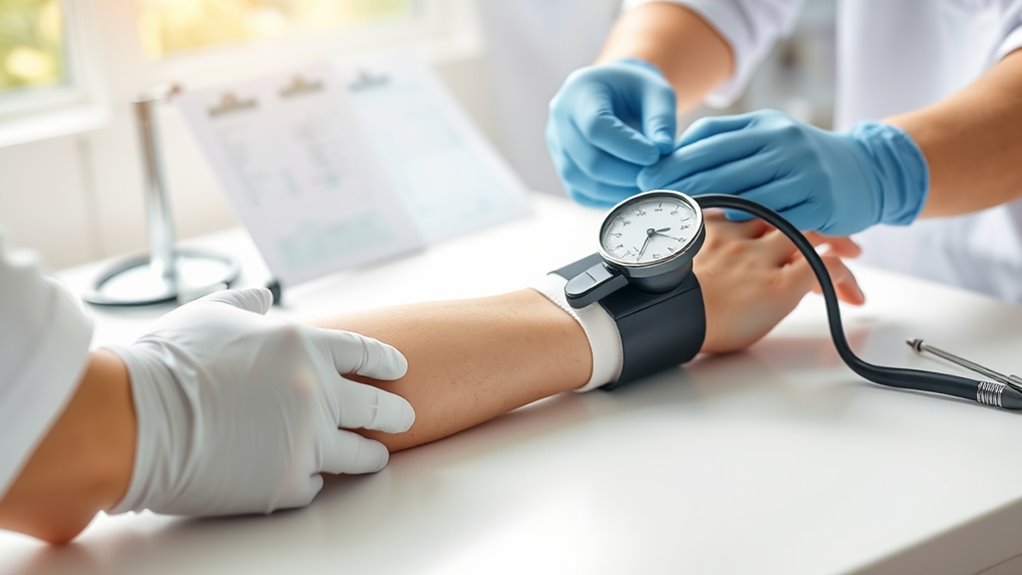
During a screening, you’ll typically answer questions about your health, discuss any concerns, and complete basic checks such as measuring your blood pressure, weight, or heart rate. Your provider may ask about your medical history, medicines, family history, sleep, diet, physical activity, and alcohol or tobacco use. Answer honestly so they can understand your needs and offer useful guidance.
During a screening, expect health questions, basic checks, and an open conversation about your needs and concerns.
You might also discuss mental health, including stress, mood, anxiety, and sleep difficulties. If appropriate, your provider may suggest lifestyle changes, follow-up care, or additional evaluation.
They’ll explain what your results mean, identify any factors that could affect your wellbeing, and answer your questions. You can ask how to prepare for future checks, when you’ll receive results, and what steps you should take afterward.
Most screenings are straightforward and don’t take long, though the length depends on your health history and the information you choose to share. You’ll stay involved throughout the process and can raise any concerns at any point.
Which Health Screenings Are Common?
Common screenings include blood pressure checks, cholesterol tests, and cancer screenings. These tests help monitor important aspects of your health and detect potential concerns early. Your healthcare provider can recommend the screenings that are right for you based on your age, risk factors, and medical history.
Blood Pressure Checks
A blood pressure check is a quick, routine screening that measures how strongly your blood pushes against your artery walls. During the test, you’ll sit quietly while a healthcare professional wraps an inflatable cuff around your upper arm.
The cuff tightens briefly, then releases as a monitor records your reading.
Your results include two numbers: systolic pressure, the force when your heart beats, and diastolic pressure, the force between beats.
A single high reading doesn’t always mean you have hypertension. Stress, caffeine, activity, or discomfort can affect results.
Your clinician may repeat the test or recommend home monitoring to confirm a pattern.
Regular checks help you spot changes early and support hypertension management. Follow-up care might include lifestyle changes, medication, or both, depending on your readings and overall health.
Cholesterol Testing
Cholesterol testing is a simple blood test that measures fats in your blood, including LDL (“bad”) cholesterol, HDL (“good”) cholesterol, and triglycerides. Your results help you understand your risk of heart disease and guide decisions with your healthcare professional.
You may need to fast beforehand, so follow the instructions you receive.
| Result | What it may mean |
|---|---|
| High LDL | Greater artery-related risk |
| High HDL | Often protective |
| High triglycerides | May increase risk |
Your provider will consider your age, health history, medications, and other risk factors when interpreting results.
If levels are raised, you may discuss dietary recommendations, such as eating more fiber and limiting saturated fat.
Lifestyle modifications, including regular activity, weight management, and avoiding tobacco, can also help.
Ask when you should repeat the test and how to track progress.
Cancer Screenings
Cancer screenings can help detect certain cancers early, when treatment may be more effective. Your doctor can recommend tests based on your age, sex, family history, risk factors, and symptoms.
Common options include:
- Breast cancer: Mammograms can identify breast changes before you notice them.
- Cervical cancer: Pap tests and HPV tests can find abnormal cells or infection.
- Colorectal cancer: Stool tests or colonoscopy can detect blood, polyps, or cancer.
- Lung cancer: Low-dose CT scans may help eligible adults with a significant smoking history.
You may also discuss prostate, skin, or other screenings with your healthcare professional. Genetic testing can clarify inherited cancer risks, while lifestyle assessments can identify habits that affect your health.
Screening schedules vary, so ask which tests suit you and how often you need them. Don’t wait for symptoms to begin a conversation.
How Often Do You Need Screening?
Your screening schedule depends on your age, health history, and personal risk factors. Follow age-based recommendations, and talk with your healthcare provider about whether you need additional tests. Regular checkups can help you stay up to date and adjust your screening plan as your needs change.
Age-Based Screening Schedules
Screening schedules vary by age, sex, family history, and risk factors, so there isn’t one plan that fits everyone. Your clinician can match tests to your life stage and update them as recommendations change.
- Children and teens: Keep vaccinations, growth checks, vision tests, dental visits, and hearing screenings on schedule.
- Adults in their 20s and 30s: Attend routine checkups, blood pressure checks, sexual-health screenings, and mental health assessments.
- Adults in their 40s and 50s: Discuss cholesterol, diabetes, cancer screenings, and lifestyle modifications with your clinician.
- Adults 60 and older: Continue preventive tests, review medications, and check hearing, vision, bone health, and fall risk.
Your schedule may include annual visits or longer intervals between tests. Don’t wait for symptoms; preventive care helps detect problems early. Ask your healthcare professional which screenings you need now.
Personal Risk Factors
Family history, lifestyle, medical conditions, medications, and past test results can change how often you need screening. If close relatives developed cancer, diabetes, heart disease, or another inherited condition early, you may need earlier or more frequent tests.
Your lifestyle habits, including smoking, alcohol use, diet, physical activity, and sun exposure, can also affect your risk. Chronic conditions such as high blood pressure or kidney disease may require closer monitoring, while certain medications can change which tests you need.
Previous abnormal results often call for follow-up sooner than standard schedules. Share your family history and risk factors with your healthcare professional.
Ask how they affect your screening plan, and report new symptoms or health changes promptly. Your recommendations may change as your circumstances, results, or treatment change.
Routine Health Checkups
How often you need routine health checkups depends on your age, health history, risk factors, and the types of screening involved. Your clinician can create a schedule that fits your needs rather than relying on a single yearly rule.
- Adults: Review your overall health at least annually, or as your clinician recommends.
- Chronic conditions: Attend follow-ups more often to monitor treatment, symptoms, and medications.
- Preventive tests: Complete blood pressure, cholesterol, diabetes, cancer, and vaccination checks on recommended timelines.
- Life changes: Arrange a visit after new symptoms, pregnancy, major weight changes, or medication changes.
Your lifestyle habits, including nutrition, exercise, sleep, tobacco use, and alcohol intake, can affect screening needs. Discuss mental health, too. Anxiety, depression, and stress deserve regular attention.
Keep records, ask questions, and update your schedule as your health changes.
How Are Screenings Matched to Your Age and Sex?
Your age and sex help determine which health screenings you need and when you should receive them. As you get older, healthcare professionals may recommend checks for blood pressure, cholesterol, diabetes, certain cancers, bone health, and vision.
Sex-specific anatomy also guides recommendations, such as cervical, breast, prostate, or testicular screening. Your clinician will explain the timing and help you choose appropriate tests.
| Age or sex consideration | Examples of screenings |
|---|---|
| Younger adults | Blood pressure, sexual health |
| Midlife adults | Cholesterol, diabetes, cancer |
| Older adults | Bone, vision, colorectal |
| Sex-specific anatomy | Cervical, breast, prostate |
Screening schedules aren’t identical for everyone. Your clinician may adjust them according to your medical history, previous results, and family background.
Lifestyle habits, including tobacco use, diet, activity, and alcohol consumption, can also shape the advice you receive. Genetic factors may support earlier or more frequent testing for some inherited conditions.
Ask which screenings apply to you, how often you need them, and what preparation each test requires. Keep a personal record so you don’t miss appointments.
How Do Risk Factors Change Screening?
Age and sex provide a starting point, but personal risk factors can change which screenings you need and when. Your healthcare professional may adjust recommendations after considering your health history, daily habits, workplace exposures, and family background.
These details can reveal a higher likelihood of certain conditions, even when you feel well.
- Lifestyle factors: Smoking, alcohol use, diet, physical activity, and sun exposure may increase risks and prompt earlier or more frequent checks.
- Genetic predispositions: A family history of cancer, heart disease, or inherited disorders can lead to specialized testing or genetic counseling.
- Existing conditions: Diabetes, high blood pressure, or previous abnormal results may require closer monitoring.
- Environmental exposure: Contact with asbestos, chemicals, radiation, or infectious diseases can influence recommended screening.
Tell your clinician about changes in your health, relatives’ diagnoses, and relevant exposures.
Risk-based screening helps detect problems sooner while avoiding unnecessary tests. Recommendations may change over time as your circumstances, medical evidence, and personal risk profile evolve.
How Should You Prepare for Screening?
Good preparation can make screening more accurate and less stressful. Before your appointment, check whether you need to fast, avoid certain drinks, pause medication, or bring a urine sample.
Check screening requirements ahead of time, including fasting, medication instructions, restricted drinks, and whether you need to bring a sample.
Follow the provider’s instructions rather than guessing, and ask questions if anything seems unclear.
Make a list of your medicines, supplements, allergies, and recent symptoms. Include relevant family medical history and note when symptoms started or changed.
Wear comfortable clothing that allows easy access to the area being examined. Arrive early with identification, insurance details, and any required forms.
Your lifestyle habits can affect some measurements. Follow your usual routines unless your provider gives different instructions.
Don’t suddenly change your diet, exercise, caffeine, or smoking habits just to influence screening. Get adequate sleep, drink water as advised, and avoid strenuous activity if instructed.
Finally, consider your mental health. Tell the healthcare professional if anxiety may affect your experience, and request support, extra explanation, or a pause when needed.
What Do Your Screening Results Mean?
What do screening results mean? They provide a snapshot of your health at a specific time. Results may show that everything falls within an expected range, suggest a possible risk, or indicate that you need additional evaluation.
A result outside the reference range doesn’t automatically mean you have a disease. Factors such as age, medications, timing, and test conditions can affect measurements.
Use your results to understand patterns and support informed health choices:
- Normal: Your measurement matches the expected range, but keep up regular screening.
- Borderline: A small change may highlight an opportunity to improve lifestyle habits, including sleep, nutrition, activity, or alcohol use.
- Abnormal: The result differs significantly from the reference range and needs careful interpretation.
- Incomplete: The test may require repetition because of a sample or testing issue.
Screening can also identify concerns related to mental health through questionnaires. Your results offer useful information, not a complete diagnosis.
Keep them with your health records and consider how they fit alongside your symptoms and overall wellbeing.
When Should You Discuss Screening With a Doctor?
Discuss your screening results with a doctor if you have questions, receive an abnormal or borderline result, or notice symptoms that concern you. Your doctor can explain what the findings mean, recommend follow-up tests, and help you understand your personal risk.
Schedule an appointment promptly if results suggest high blood pressure, elevated blood sugar, unusual cholesterol levels, infection, or possible cancer. Don’t assume a normal result rules out illness, especially if symptoms continue or your family history increases your risk.
Ask when you should repeat the screening and which warning signs require urgent care.
You can also discuss prevention during routine visits. Your doctor may suggest lifestyle modifications, such as improving nutrition, increasing activity, limiting alcohol, quitting tobacco, or improving sleep.
Mention changes in mood, anxiety, stress, or other mental health concerns, because they can affect your overall well-being and may require screening or support.
Bring your results, medication list, and questions so you can make informed decisions together.
Frequently Asked Questions
Can Health Screenings Detect Every Disease or Health Condition?
No, health screenings can’t detect every disease or health condition. You’ll benefit from disease detection tests designed for specific risks, symptoms, ages, and family histories, but no screening catches everything.
Some conditions lack reliable tests, while others develop between appointments or remain unnoticed without symptoms. Screening can support early diagnosis and improve treatment options, yet it doesn’t replace medical advice.
You should discuss appropriate tests and follow-up care with your healthcare professional regularly.
Are Health Screenings Covered by Insurance or Public Healthcare?
Insurance coverage and public healthcare can make health screenings affordable, but your costs depend on the test, plan, age, risk factors, and location. Don’t assume every screening costs nothing: check your insurer’s preventive-care list, copayment rules, and referral requirements. Public healthcare often funds recommended screenings, though eligibility and availability vary. Ask your doctor or health department before booking, so you’ll understand what’s covered and avoid unexpected bills.
Where Can You Get a Health Screening Check?
You can get a health screening check at your doctor’s office, medical centers, community clinics, pharmacies, workplaces, or health departments. Ask your primary-care provider which tests you need and where you can complete them.
Many facilities offer screenings for blood pressure, cholesterol, diabetes, cancer, and other risks. You’ll usually need an appointment, although some pharmacies and community programs accept walk-ins. Check eligibility and costs beforehand.
Can Children Receive Health Screening Checks?
Yes, your child can receive health screening checks at regular pediatric visits. These child wellness appointments help your clinician monitor growth, development, vision, hearing, nutrition, behavior, and emotional health.
Pediatric assessments may also include vaccinations, blood pressure checks, dental guidance, and screenings for learning or communication concerns. Your child’s age, medical history, and risk factors determine which checks they need.
Ask your pediatrician about the recommended schedule for your child’s ongoing care.
What Happens if You Miss a Scheduled Screening?
If you miss a scheduled screening, don’t let one closed door stop you from protecting your health. Contact your clinic as soon as possible, explain what happened, and ask about missed appointments and rescheduling procedures.
Staff can help you choose a new date and tell you whether any preparation is needed. Don’t ignore reminder messages, especially if your screening checks for serious conditions. Reschedule promptly to avoid unnecessary delays.
Conclusion
Health screening checks help you spot potential problems before symptoms appear, giving you time to act. From blood pressure and cholesterol tests to cancer screenings, the right schedule depends on your age, health, family history, and risks.
Consider this: nearly 1 in 3 adults worldwide has high blood pressure, often without knowing it. By preparing honestly, reviewing your results, and discussing concerns with your doctor, you’ll turn a routine health screening check into a powerful step toward better health.