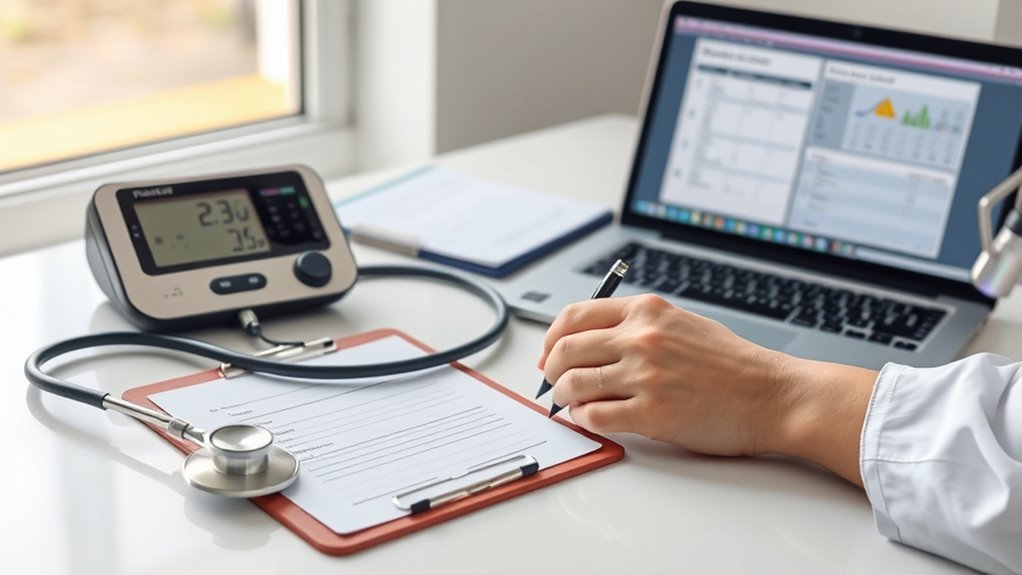
How to Prepare for a Comprehensive Health Assessment
Preparing for a comprehensive health assessment can feel overwhelming, especially when you’re unsure what to bring or discuss. You’re not alone—many people struggle to organize their medical information and remember every important question before an appointment.
Prepare for a comprehensive health assessment by gathering medical records, test results, vaccination details, family history, and a current list of medications, supplements, and allergies.
Track recent symptoms, sleep, diet, exercise, and home readings. Write down your health goals and priority questions for your provider.
Confirm fasting, sample collection, medication, and measurement instructions. Pack identification, insurance information, referrals, glasses, hearing aids, and other essentials.
Verify appointment and travel details so you’ll know what to expect.
Key Takeaways
- Gather recent medical records, test results, vaccination details, allergies, procedures, family history, and relevant home-monitoring data.
- Prepare an updated list of prescriptions, over-the-counter medicines, vitamins, supplements, herbal products, doses, and prescribing clinicians.
- Track symptoms, sleep, diet, exercise, weight changes, stressors, and health readings. Note their timing, severity, triggers, and helpful interventions.
- Confirm appointment logistics and testing requirements, including fasting, medication instructions, sample collection, transportation, and expected duration.
- Write prioritized health goals and questions. Bring identification, insurance information, referrals, assistive devices, glasses, and essential supplies.
Learn What a Health Assessment Includes

Before your appointment, learn what a health assessment typically involves so you know what to expect. You’ll usually discuss your current health, symptoms, medical concerns, and goals with a healthcare professional.
Learn what to expect during your health assessment, including discussions about your health, symptoms, concerns, and care goals.
The visit may include measurements such as your height, weight, blood pressure, pulse, and temperature. Your provider might also perform a physical examination or recommend screening tests based on your age, risk factors, and concerns.
Expect questions about lifestyle habits, including nutrition, physical activity, sleep, alcohol use, tobacco, and other substances. You may also discuss mental health, stress, mood, and emotional well-being.
Answer honestly. Accurate information helps your provider offer appropriate guidance and identify potential concerns early.
Your assessment may differ depending on the clinic and purpose of the visit. Ask how long it should take, what it covers, and whether you need to complete forms beforehand.
Understanding the process can help you feel prepared and participate confidently in your care.
Gather Records for Your Health Assessment

Gather your medical records before your assessment, including recent test results, vaccination details, medication lists, and information about allergies or past procedures. Request copies from clinics, hospitals, laboratories, and specialists if anything’s missing.
Check that each document includes your name, date, provider, and relevant findings so your clinician can review accurate information.
Add records that show ongoing conditions, previous diagnoses, imaging reports, surgeries, hospital visits, and family health history. If you use health apps or home devices, bring reliable blood pressure, glucose, or symptom readings with dates and context.
Include notes about mental health care, counseling, or past screenings, as these details can guide a complete evaluation.
Record lifestyle habits that may affect your health, such as sleep patterns, exercise, nutrition, tobacco or alcohol use, and workplace exposures.
Organize everything in a folder or secure digital file, and bring questions about unclear results. Keep originals safe and provide copies when possible.
Prepare a Medication and Supplement List

Prepare a complete list of all your prescription medications, including the dosage and how often you take each one. Be sure to include every vitamin and supplement you use, even if you only take it occasionally. Bring the list to your health assessment so your provider can review it accurately.
Include Prescription Medications
Create an up-to-date list of every prescription medication, over-the-counter drug, vitamin, and supplement you take, including each name, dose, and frequency. Bring this list to your thorough health assessment, and update it whenever your prescriptions change.
Include medications you take regularly, as needed, or only during certain seasons. Note the reason for each prescription, the prescribing clinician, and the pharmacy you use.
If you don’t know a medication’s exact dose, check its label, patient portal, or pharmacy records rather than guessing. Tell your healthcare professional about missed doses, allergies, past reactions, and concerns about cost or access.
Accurate information supports safer decisions, including adjusting medication doses and understanding medication side effects. Don’t stop, restart, or change a prescription on your own. Ask your clinician for guidance before making changes.
List Vitamins And Supplements
Include every vitamin, mineral, herbal product, and other supplement you take, noting each product’s name, strength or dose, and frequency. Bring this complete list to your health assessment so your provider can evaluate safety, interactions, and effectiveness.
- Record brand names and active ingredients.
- Note why you take each product.
- Include occasional or as-needed supplements.
- List powders, teas, gummies, and injections.
- Update the list after any changes.
Mention herbal remedies, traditional products, and supplements recommended by friends, online sources, or wellness practitioners. Don’t assume “natural” means risk-free. Some products can affect blood pressure, bleeding, anesthesia, or prescription medicines.
Include products you stopped recently if their effects may remain. Your provider can compare your choices with current nutritional guidelines and identify unnecessary or duplicative ingredients.
If you’re unsure about a dose, photograph the label or bring the container. Keep a digital and printed copy, and ask how to adjust supplements before testing or treatment.
Track Symptoms and Recent Health Changes
Track when your symptoms started, how often they occur, and what makes them better or worse. Record changes in sleep, appetite, energy, pain, digestion, breathing, mood, or mobility.
Note their severity and any triggers, including meals, exercise, stress, medications, or lifestyle modifications. Bring this record to your assessment so you can describe patterns accurately.
| What to track | Helpful details |
|---|---|
| Timing | Start date, duration, frequency |
| Severity | Mild, moderate, severe; rating from 0–10 |
| Triggers | Food, activity, stress, environment |
| Related changes | Sleep, weight, appetite, mood |
Include symptoms that seem minor because they may reveal useful connections. Record recent illnesses, injuries, medication changes, and unexpected weight changes.
Note how symptoms affect work, relationships, daily tasks, and mental health. Don’t rely on memory alone; use a notebook, calendar, or phone app.
Contact your healthcare professional promptly if symptoms become severe, sudden, or unsafe. Bring questions and supporting records to your appointment.
Explain what you’ve tried, what helped, and what didn’t.
Review Your Family Health History
Review your family health history before your assessment. Gather any available medical records and note health conditions that may run in your family. You can also ask relatives about recurring illnesses or other health concerns.
Share what you learn with your healthcare provider. This information can help them better understand your risks and provide more personalized care.
Gather Family Medical Records
Before your health assessment, gather available family medical records to identify patterns that may affect your care. Ask relatives for permission before copying or sharing documents, and respect medical privacy throughout the process.
Focus on collecting clear, relevant information, such as:
- Diagnosis dates and providers
- Hospitalization or procedure summaries
- Medication lists and treatment notes
- Laboratory or imaging reports
- Death certificates, when available
Use records organization to keep digital files in a secure, clearly labeled folder. Scan paper documents, preserve original dates, and note which relative each record concerns.
Contact clinics, hospitals, or health departments if you need replacement documents, but confirm their authorization requirements first. Bring selected records to your appointment, or ask whether your clinician prefers secure electronic delivery.
Keep a simple index so you can quickly locate each document without overwhelming your care team.
Identify Inherited Health Risks
Look for patterns in your family’s health history that may reveal inherited risks, such as heart disease, cancer, diabetes, or blood disorders. Note who developed each condition, their age at diagnosis, and whether several relatives share it.
These details can help your clinician recognize genetic predispositions and hereditary conditions that may affect your screening plan.
| Pattern | Possible concern | Record |
|---|---|---|
| Early heart disease | Elevated risk | Relative and age |
| Repeated cancers | Inherited susceptibility | Cancer type |
| Diabetes across generations | Metabolic risk | Diagnosis ages |
Don’t dismiss a condition because it affected only one relative. Early onset or unusual disease types can still matter.
Include miscarriages, sudden deaths, and known genetic diagnoses when documented. Bring your organized notes and questions to the assessment so your clinician can evaluate risk thoughtfully.
Accurate information may help you take preventive action sooner.
Discuss Patterns With Relatives
Talk with relatives who may know details about diagnoses, ages, and causes of death. Their memories can fill gaps in your family health history. Ask about conditions that affected parents, siblings, grandparents, aunts, and uncles.
Focus on facts, not assumptions, and note when information remains uncertain.
- Record illnesses, surgeries, and long-term treatments.
- Ask when each relative received a diagnosis.
- Note recurring conditions across generations.
- Include pregnancy complications and childhood disorders.
- Document lifestyle factors, such as smoking or alcohol use.
Compare responses to identify genetic patterns that may influence your family’s health. You don’t need perfect records; consistent details can help your clinician assess risk.
Respect relatives’ privacy, explain why you’re asking, and avoid pressuring anyone to share.
Bring your notes, questions, and any available documents to your thorough health assessment. Update this history as relatives receive new diagnoses or test results.
Record Your Sleep, Diet, and Exercise
Track your sleep, meals, and physical activity for several days before your appointment. Note bedtime, wake time, awakenings, meal timing, portions, beverages, and exercise intensity.
Accurate details help your clinician recognize patterns without relying on memory.
| Record | Examples |
|---|---|
| Sleep | Bedtime, wake time, interruptions |
| Nutrition | Meals, snacks, fluids, portions |
Include notes about naps, caffeine, alcohol, and screen use near bedtime. Your record can reveal how Sleep hygiene affects daytime energy and whether Dietary habits coincide with discomfort, mood changes, or digestive symptoms.
Log physical activity by describing the type, duration, pace, and how you felt afterward. Mention unusually stressful days, illness, travel, or schedule changes because they may influence your observations.
Use a phone note, spreadsheet, or paper diary, and keep entries brief enough to maintain consistently. Bring the record, or share it through your clinic’s approved portal.
Don’t change your routine just to produce better-looking information. Honest, ordinary observations give your healthcare professional a clearer picture of your current health.
Set Goals for Your Health Assessment
Use your notes to define what you want from the health assessment. Choose a few practical goals that reflect your current concerns, priorities, and daily experience.
Clear goals help you focus your visit and make the assessment more useful.
Set clear goals to focus your health assessment and make each part of your visit more useful.
- Review your overall physical health and identify areas needing attention.
- Discuss mental health factors that affect your energy, mood, or concentration.
- Evaluate lifestyle habits, including sleep, nutrition, movement, and stress management.
- Track progress toward a specific wellness goal, such as improving stamina or managing weight.
- Create a realistic plan for maintaining healthy changes after the assessment.
Keep each goal specific and measurable when possible. For example, aim to walk regularly, improve sleep consistency, or build healthier meals rather than simply “get healthier.”
Consider which outcomes matter most to you, and rank your goals before the appointment. Share this list during your assessment so you and your provider can stay aligned.
Your goals may change as you learn more, so remain open to adjusting them based on your assessment’s findings and recommendations.
Write Questions for Your Provider
Before your visit, write down key questions about your symptoms, treatment options, and health goals. During the appointment, ask your provider to explain anything that isn’t clear, and confirm what you should do next. You’ll leave with a clearer plan for your follow-up care.
Prepare Key Questions
What do you want to understand about your symptoms, treatment options, or next steps? Write your questions before your thorough health assessment so you don’t forget important concerns. Include details about your symptoms, Mental health, and Lifestyle habits. Use clear, specific wording, and bring notes about when symptoms began, what worsens them, and what helps.
- What might be causing these symptoms?
- Which tests could help evaluate my concerns?
- What do my current medications affect?
- Could my Lifestyle habits influence my health?
- How can I support my Mental health?
Prioritize your top questions, then leave space to record answers. Ask your provider to explain unfamiliar terms in plain language.
If you feel nervous, practice asking aloud or bring a trusted person for support. Review your list shortly before the visit, and add new questions as they arise.
Clarify Next Steps
After your assessment, ask your provider to clarify the next steps, including recommended tests, treatments, follow-up timing, and warning signs that require prompt attention. Write down each recommendation, or request an after-visit summary, so you can review it later.
Ask what each test evaluates, how you’ll receive results, and whether you need to prepare beforehand. Confirm medication instructions, possible side effects, and what you should do if symptoms change.
Discuss lifestyle changes, such as nutrition, exercise, sleep, or smoking cessation, and ask which goals should come first. Include mental wellness in the conversation by asking about counseling, stress management, or other support if needed.
Before leaving, repeat the plan in your own words, verify contact information, and schedule follow-up appointments or referrals. Ask when you should call if questions arise.
Check for Tests, Fasting, or Measurements
Before your appointment, check whether you need to fast, provide a sample, or complete any measurements. Review your instructions carefully, and contact the clinic if anything seems unclear.
> Review your appointment instructions carefully, and contact the clinic with any questions about preparation requirements.
Preparation may vary depending on your health history and the assessment’s purpose.
- Confirm whether blood tests are scheduled.
- Ask about fasting requirements, including permitted drinks.
- Find out if you’ll provide urine, stool, or saliva.
- Check whether you should record your weight or blood pressure.
- Learn when to complete any requested measurements.
Follow the timing your clinician gives you. Fasting instructions may limit food, beverages, gum, or supplements, so don’t make assumptions.
If you take regular medication, ask whether you should take it before testing. Wear clothing that makes measurements easier, if the clinic recommends it, but follow the specific instructions provided.
Completing these steps correctly helps produce reliable results and prevents delays. If you’re sick, menstruating, or unable to follow a requirement, tell the clinic before your visit so staff can advise you or reschedule the test.
Don’t stop prescribed medication unless your healthcare professional tells you to do so.
Pack What You Need for Assessment Day
Pack the items you’ll need for check-in, testing, and any discussions with your clinician. Bring your photo ID, insurance card, referral paperwork, medication list, allergy information, and relevant medical records. Include a current list of supplements, doses, and questions you want to ask.
If you monitor blood pressure, glucose, or symptoms, bring recent readings or a brief journal. Wear comfortable clothing that allows easy access for measurements or examinations. Pack glasses, hearing aids, and any assistive devices you use daily.
Bring water and a small snack if fasting requirements allow them. Otherwise, plan food for afterward.
Review appointment scheduling details, including arrival time, location, parking, and estimated duration. Consider travel details such as traffic, public transportation, weather, or lodging if you’re visiting from far away.
Charge your phone, save the clinic’s contact information, and arrange transportation if sedation or testing could affect your ability to drive. Keep everything together in one accessible bag.
Frequently Asked Questions
How Long Does a Comprehensive Health Assessment Usually Take?
A thorough health assessment usually takes 30 to 60 minutes, though your appointment length may vary. You’ll likely spend more time if you have several concerns, complex medical conditions, or need additional screenings.
Assessment timing also depends on your provider’s process and whether you complete forms beforehand. Arrive a few minutes early, bring your medication list, and prepare questions to help your visit stay organized and efficient.
Will My Health Assessment Information Remain Confidential?
Yes, your health assessment information should remain confidential. Healthcare providers follow confidentiality policies that limit who can access, use, or share your records.
They’ll typically disclose information only with your permission or when laws require it, such as for safety concerns. Data security measures, including secure systems and restricted access, help protect your details.
You can ask your provider how they store information, who can view it, and what privacy rights you have.
Can I Bring Someone With Me to My Health Assessment?
Yes, you can usually bring someone with you to your health assessment, such as a partner, family member, or trusted friend. Their presence may provide emotional support and help you remember information or questions.
Ask the clinic about its visitor policy beforehand, since space, privacy, or certain examinations may limit partner presence. You can also request private time with your healthcare professional to discuss sensitive concerns comfortably and confidentially.
What Happens After My Health Assessment Is Completed?
Once your health assessment wraps up, you’ll have a clearer map of your health journey. Your provider will review the results, explain any concerns, and recommend next steps.
You may receive referrals, testing, medications, or monitoring instructions. Together, you’ll discuss follow-up care and set realistic goals for lifestyle changes.
Ask questions, confirm when you’ll receive results, and schedule appointments so you don’t lose track of your plan.
How Often Should I Schedule a Comprehensive Health Assessment?
You should schedule a thorough health assessment at least once a year, especially if you’re an adult with ongoing health concerns, risk factors, or changing symptoms. Your clinician may recommend more frequent visits based on your age, medical history, medications, or family history.
Regular health screening supports early detection, while preventive care helps reduce future risks. If you’re healthy, your clinician might adjust the schedule, so ask what timing best suits your needs.
Conclusion
A thorough health assessment can feel like a mountain of details, but you can make it manageable. Gather your records, list every medication, track each symptom, and review your family history.
Set clear goals, write every question, and check whether you’ll need fasting, tests, or measurements. Pack your essentials, arrive prepared, and speak openly.
With these simple steps, you’ll turn confusion into clarity and give your provider the fullest picture of your health during your comprehensive health assessment.