5 Tips for a Healthy and Active Lifestyle
Staying active and eating well can feel harder than it should, especially when busy schedules, low energy, or inconsistent routines get in the way. You’re not alone—many people struggle to build healthy habits that actually last.
This guide to a healthy and active lifestyle shares simple, practical steps to help you feel better and stay consistent.
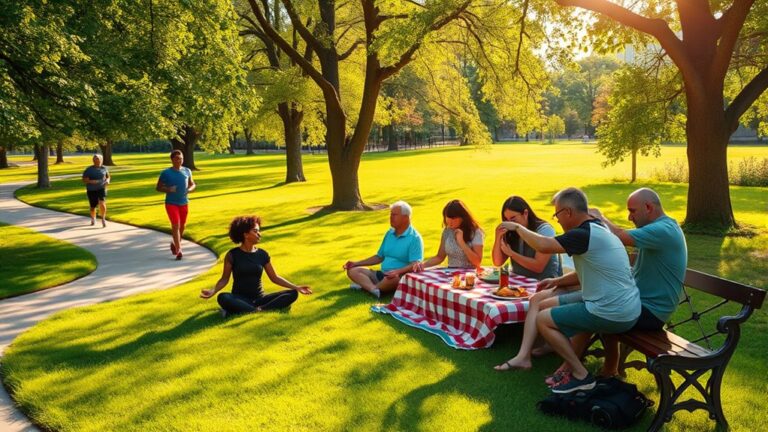
Build a healthy, active lifestyle with five simple habits. Set small daily movement goals, such as a 10-minute walk or stretch break. Choose enjoyable activities you’ll want to repeat, from dancing to cycling.
Eat balanced meals with protein, fiber-rich carbohydrates, vegetables, and healthy fats to maintain steady energy. Drink water regularly and limit sugary beverages.
Finally, prioritize seven to nine hours of sleep and allow time for recovery. Keep going to uncover practical ways to make each habit stick.
Key Takeaways
- Set small daily movement goals, such as walking for 10 minutes or taking regular stretching breaks.
- Choose enjoyable activities you can repeat consistently, including dancing, cycling, swimming, or team sports.
- Build balanced meals with lean protein, fiber-rich carbohydrates, colorful vegetables, and healthy fats.
- Drink water regularly throughout the day, especially during meals, activity, and changing routines.
- Prioritize seven to nine hours of sleep and include recovery activities like stretching, walking, or breathing exercises.
Set Simple Daily Movement Goals
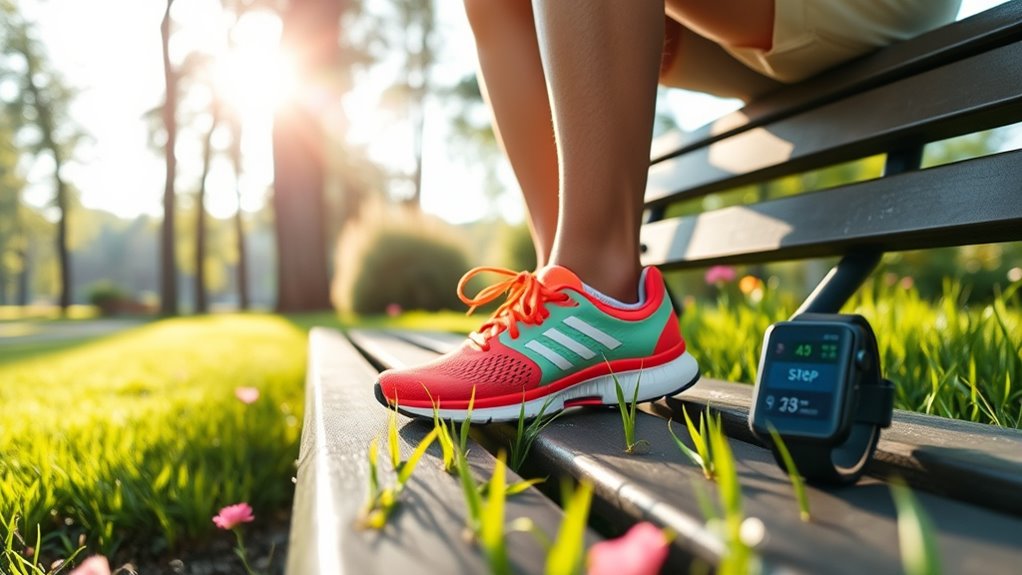
Start with small, achievable movement goals, such as taking a 10-minute walk, stretching during breaks, or choosing stairs over elevators. These manageable choices help you build consistency without overwhelming your schedule.
Write one or two specific targets each morning, such as walking after lunch or standing for five minutes every hour. Track your progress on a calendar, phone, or simple checklist so you can see your effort accumulating.
Use reminders to turn intentions into action. Schedule brief movement breaks between tasks, and keep comfortable shoes nearby for convenient walks.
Try simple Office exercises, including seated leg lifts, desk push-ups, shoulder rolls, and calf raises. Add short Stretching routines before work, during pauses, or after sitting for long periods.
If you miss a goal, restart at the next opportunity rather than abandoning the day. Focus on completing your planned minutes, not pushing intensity.
As these actions become familiar, gradually add time or frequency while keeping each goal realistic and measurable.
Choose Activities You’ll Want to Repeat

Choose activities you genuinely enjoy, because you’ll be more likely to repeat them consistently. Focus on finding enjoyable exercises rather than forcing yourself through routines you dislike.
Your interests, schedule, fitness level, and available space can guide your choices.
| Activity | Why You’ll Repeat It | Easy Starting Point |
|---|---|---|
| Dancing | Music lifts your mood | Dance for 15 minutes |
| Cycling | You discover outdoors | Ride around your neighborhood |
| Swimming | It feels invigorating | Swim easy laps |
| Team sports | Friends add motivation | Join a beginner group |
Try different options until one feels natural and energizing. You might enjoy walking with a friend, taking a lively class, or practicing yoga at home.
If you’re curious, consider trying new sports, such as pickleball, kayaking, or tennis. Keep the experience enjoyable by choosing a comfortable pace and celebrating consistency instead of perfection.
Notice which activities leave you feeling invigorated rather than drained. Then schedule those favorites like important appointments.
When you enjoy moving, exercise becomes a rewarding part of your routine instead of another obligation.
Build Balanced Meals for Steady Energy

Balanced meals can help you maintain steady energy throughout the day. Build each plate with lean protein, fiber-rich carbohydrates, colorful vegetables, and healthy fats.
Protein supports muscle repair, while complex carbohydrates fuel your workouts and daily tasks. Vegetables add vitamins and fiber, and healthy fats help you feel satisfied.
Use meal portioning to match your hunger, activity level, and goals. Start with reasonable servings, then adjust based on your body’s signals instead of following rigid rules.
Before exercise, choose easily digested carbohydrates with a little protein. Afterward, combine protein and carbohydrates to support recovery and replenish energy stores.
Practice nutrient timing by spreading balanced meals and snacks across your day. Don’t skip meals and expect willpower to carry you through demanding activities.
Consistent nourishment can help prevent energy crashes and overeating later. Prepare simple options, such as yogurt with fruit, a bean bowl, or whole-grain toast with eggs, so you’ll make nourishing choices even when your schedule gets busy.
Drink Water Regularly Throughout the Day
Food provides energy, but regular hydration helps your body use it effectively. Drink water throughout the day instead of waiting until thirst becomes intense. Consistent hydration habits support circulation, temperature control, digestion, and physical performance, especially when you exercise or spend time outdoors.
Make water intake strategies simple and practical. Carry a reusable bottle, refill it during meals, and take several sips whenever you change activities. You can also set reminders or link drinking water to routines, such as waking up, commuting, or taking breaks.
If plain water feels boring, add lemon, cucumber, or fresh berries for flavor. Your needs vary with body size, activity level, weather, and diet, so use thirst and urine color as helpful guides. Dark urine may signal that you need more fluids.
Choose water most often, and limit sugary drinks that add calories without supporting your goals. Keep water accessible, sip consistently, and adjust your intake when you sweat more than usual.
Protect Your Sleep and Recovery
Protecting your sleep and recovery gives your body time to repair, restore energy, and adapt to daily activity. Aim for seven to nine hours nightly, and keep a consistent bedtime and wake time, even on weekends.
Your sleep environment matters: darken the room, reduce noise, keep it cool, and silence unnecessary notifications. Limit caffeine late in the day and avoid intense screen use before bed.
Use these simple habits to support steady progress:
- Plan harder workouts after adequate rest, not when you feel depleted.
- Eat a balanced meal with protein and carbohydrates after demanding exercise.
- Try recovery techniques such as gentle stretching, walking, breathing exercises, or light mobility work.
- Schedule rest days and watch for persistent soreness, irritability, or declining performance.
You shouldn’t treat rest as lost training time. It helps you train consistently, manage stress, and reduce injury risk.
If poor sleep or unusual fatigue continues, adjust your routine and talk with a healthcare professional. Listen to your body, and recover before pushing harder.
Frequently Asked Questions
How Can I Stay Motivated When Progress Feels Slow?
You can stay motivated by focusing on consistent effort rather than immediate results. Start with setting realistic goals that feel challenging yet achievable, then track your actions so you can see progress others might miss.
Practice celebrating small wins, such as completing another workout or choosing a healthier meal. When motivation dips, remind yourself why you started, vary your routine, and rely on habits instead of feelings.
Progress takes time, but every step counts.
What Health Screenings Should Active Adults Schedule Regularly?
You should schedule preventive screenings before your calendar explodes: yearly blood pressure, weight, and mental-health checks; cholesterol and diabetes testing as your clinician recommends; and age-appropriate cancer screenings.
Add dental cleanings, eye exams, vaccinations, and skin checks, especially if you train outdoors. Ask about bone-density testing if you’re older or injury-prone.
Regular risk assessments can tailor timing to your family history, medications, sex, age, and activity level, keeping small problems from becoming skyscrapers.
How Should I Exercise Safely With a Chronic Condition?
You should ask your healthcare professional for personalized guidance before exercising with a chronic condition. Start slowly, monitor symptoms, and choose activities that match your abilities.
Use exercise modifications, such as lowering intensity, shortening sessions, adding rest, or selecting low-impact movements. Build adaptive routines around your energy, pain, medications, and medical advice.
Warm up, cool down, stay hydrated, and stop immediately if you experience chest pain, severe breathlessness, dizziness, or unusual symptoms.
Which Wearable Devices Are Useful for Tracking Fitness Progress?
Think of your fitness journey as a map: a smartwatch marks your route, a fitness tracker counts your steps, and a heart-rate monitor checks your effort.
Choose devices that match your goals, such as sleep, activity, heart rate, or GPS tracking. Check wearable accuracy, especially during intense exercise, and confirm device compatibility with your phone and health apps.
You’ll gain useful trends, but don’t treat readings as medical diagnoses.
When Should I Consult a Healthcare Professional About Exercise Concerns?
You should consult a healthcare professional before exercising if you have a chronic condition, take medications, feel unsure about safe exercise intensity, or plan a major fitness change.
Seek advice promptly for persistent pain, swelling, dizziness, unusual shortness of breath, chest discomfort, fainting, or palpitations during or after activity.
A clinician can assess risks, recommend modifications, and support injury prevention.
Stop exercising and seek urgent care for severe or sudden symptoms immediately.
Conclusion
A healthy and active lifestyle doesn’t require drastic changes. Set simple movement goals, choose activities you’ll enjoy, build balanced meals, and sip water throughout the day.
Just as importantly, protect your sleep so your body and mind can recharge. When you practice these habits consistently, you’ll create a strong foundation for lasting wellness.
Start small, stay patient, and keep moving forward. These 5 tips for a healthy active lifestyle can help you build a healthier future, one step at a time.