Physical Health Meaning: A Simple Guide
Many people struggle to maintain their energy, fitness, and overall well-being amid busy schedules. You’re not alone—finding simple, effective ways to support your physical health can feel overwhelming, so this guide will help you build practical habits that fit your daily routine.
Physical health meaning keeping your body strong, energized, and ready for daily activities. You support it through regular movement, nutritious food, hydration, sufficient sleep, hygiene, and preventive care.
These habits improve your strength, flexibility, endurance, immunity, mood, and ability to manage stress.
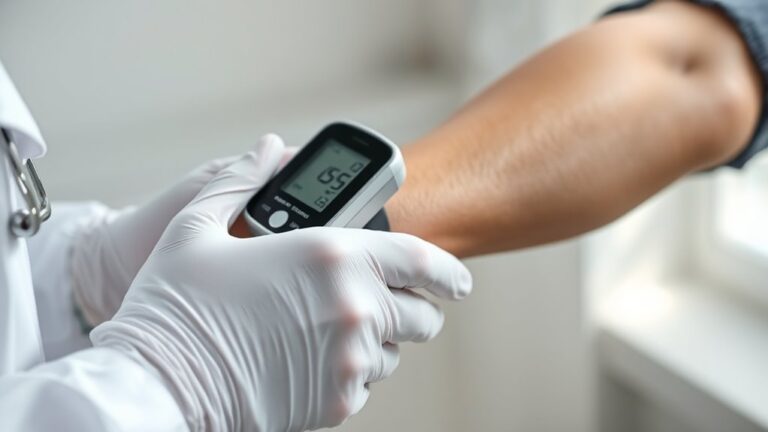
You can monitor your health by noticing energy levels, symptoms, activity, sleep, and routine checkup results.
By building small, consistent habits, you’ll better protect your well-being and uncover practical ways to stay healthy.
Key Takeaways
- Physical health describes how well your body functions and supports daily activities, movement, energy, and independence.
- It includes fitness, nutritious eating, hydration, sufficient sleep, hygiene, stress management, and preventive healthcare.
- Regular activity strengthens the heart, muscles, bones, and lungs while improving flexibility, balance, stamina, and mobility.
- Monitoring sleep, energy, blood pressure, activity, and symptoms helps identify health changes and concerns early.
- Healthy habits, routine checkups, vaccinations, screenings, and timely medical care support long-term physical well-being.
What Is Physical Health?

What does it mean to be physically healthy? Physical health describes how well your body functions and supports daily activities. You build it through regular movement, balanced nutrition, adequate sleep, hydration, hygiene, and preventive care.
Physical health grows through consistent movement, balanced nourishment, restorative sleep, hydration, hygiene, and preventive care.
These habits help you maintain strength, energy, flexibility, and effective body systems. Physical health also includes your mind-body connection. Your thoughts, emotions, and physical responses interact continuously, so caring for your mental state can support bodily function.
Stress management practices, such as breathing exercises, enjoyable activity, and consistent routines, can help you respond to pressure without neglecting your body.
You can assess your physical health by noticing your energy, mobility, sleep quality, appetite, and ability to complete ordinary tasks. Professional checkups can identify concerns that you might not notice yourself.
Physical health isn’t about reaching perfection or meeting a particular appearance standard. It means giving your body appropriate care and recognizing when you need support, rest, or medical attention.
Why Does Physical Health Matter?

Physical health matters because it supports your energy, mobility, immune function, and ability to manage everyday tasks. When you care for your body, you give yourself a stronger foundation for work, relationships, recreation, and rest.
Good health can also help you respond to challenges with confidence rather than constant fatigue or discomfort.
It supports you by helping you:
- Stay active and independent
- Recover more effectively from daily strain
- Concentrate and manage stress
- Enjoy meaningful activities with fewer limitations
Your mind-body connection matters, too. Physical discomfort can affect your mood, focus, and motivation, while ongoing stress may influence how your body feels and functions.
Regular movement, nourishing choices, sufficient sleep, and preventive care can strengthen this connection without requiring perfection.
Physical resilience grows when you consistently support your body and adapt to change. You’ll still face illness, injury, or stressful periods, but better physical health can improve your capacity to cope, recover, and return to the activities that matter most to you.
What Are the Main Parts of Physical Health?

Your physical health includes physical fitness and healthy daily habits. You can build your fitness through regular movement, strength, flexibility, and endurance. You can also support your overall well-being by eating nutritious foods, getting enough sleep, and managing daily stress.
Physical Fitness
Fitness is your body’s ability to move efficiently, handle daily activities, and recover from effort. It reflects how well your muscles, heart, lungs, joints, and nervous system work together.
Building fitness can improve stamina, strength, balance, and flexibility while helping you feel more capable during physical challenges.
Key parts include:
- Cardiorespiratory endurance: You sustain activities such as walking, cycling, or swimming.
- Muscular strength: You produce force to lift, push, pull, or climb.
- Muscular endurance: You repeat movements without tiring quickly.
- Flexibility and balance: You move through a comfortable range and control your body.
Choose activities you enjoy to support exercise motivation, then increase difficulty gradually.
Fitness gadgets can track heart rate, distance, or progress, but your body’s feedback matters most. Consistency, proper technique, and adequate recovery help you improve safely.
Healthy Daily Habits
Healthy daily habits form the foundation of physical health by helping your body function well and recover from everyday demands. You’ll support your well-being by eating balanced meals, drinking water, sleeping consistently, and moving throughout the day.
Simple practices, including mindful breathing and posture correction, can reduce tension and improve comfort. Use this guide to build steady routines:
| Habit | Daily action | Benefit |
|---|---|---|
| Nutrition | Choose whole foods | Sustained energy |
| Hydration | Drink water regularly | Better body function |
| Sleep | Keep a schedule | Improved recovery |
| Movement | Take active breaks | Stronger muscles |
| Relaxation | Practice mindful breathing | Lower stress |
You don’t need perfection; consistency matters more. Start with one manageable change, track how you feel, and gradually add another.
These habits work together to protect your health, strengthen resilience, and help you handle daily demands with greater energy.
How Can You Assess Your Physical Health?
You can assess your physical health by tracking key indicators like your weight, blood pressure, activity level, and energy. It’s also a good idea to schedule routine checkups so you can identify potential concerns early. By combining these habits, you’ll get a clearer picture of your overall well-being.
Track Key Health Indicators
How can you assess your physical health beyond how you feel day to day? Track key indicators consistently to spot patterns and make informed choices. Your measurements don’t define you, but they offer useful clues about how your body functions.
- Resting heart rate can reflect fitness and recovery.
- Blood pressure provides insight into cardiovascular strain.
- Waist measurement and weight can reveal changing trends.
- Sleep duration, energy, and activity levels show daily balance.
Record results under similar conditions, such as measuring your pulse after waking. Compare weekly or monthly trends instead of reacting to one unusual number.
Notice how nutrition, movement, stress, and hydration affect your readings. Also consider mental resilience and social connections, which can influence motivation and healthy routines.
Use a simple journal or app to organize observations. Respond to persistent changes with practical lifestyle adjustments rather than self-diagnosis.
Schedule Routine Checkups
Routine checkups help you identify health concerns before they become noticeable or disruptive. Schedule Medical consultations based on your age, family history, lifestyle, and healthcare provider’s advice.
During visits, discuss symptoms, medications, sleep, nutrition, and exercise honestly. Routine screenings can reveal changes in blood pressure, cholesterol, blood sugar, vision, or other indicators, even when you feel well.
Keep a record of results and follow-up recommendations so you can track trends over time.
| Checkup focus | What you may assess |
|---|---|
| Blood pressure | Heart and circulation |
| Blood tests | Cholesterol and glucose |
| Physical exam | Weight and general function |
| Vaccinations | Protection from infections |
Don’t wait for discomfort to schedule care. Ask questions, clarify warning signs, and arrange additional testing when recommended.
Regular appointments help you make informed choices and address small concerns before they develop into larger health problems. Your provider can also personalize your checkup schedule as your needs change.
What Are the Warning Signs of Poor Physical Health?
Warning signs of poor physical health can include persistent fatigue, unexplained weight changes, frequent illness, ongoing pain, shortness of breath, or reduced strength and mobility. These early warning signals may point to health deterioration, especially when they persist or worsen.
Pay attention to changes that interfere with your usual routine. You might notice:
- Trouble sleeping or waking refreshed
- Ongoing digestive problems or appetite changes
- Dizziness, weakness, or unusual swelling
- Slow-healing cuts, bruises, or recurring infections
Don’t dismiss symptoms simply because they seem mild. Keep notes about when they began, how often they occur, and what makes them better or worse.
Share this information with a healthcare professional, who can assess possible causes and recommend appropriate tests. Seek urgent care for severe breathing difficulty, chest pain, sudden confusion, fainting, or signs of a stroke.
Acting promptly can help you identify problems earlier and prevent manageable concerns from becoming more serious. Regular checkups also give you a chance to discuss subtle changes you might otherwise overlook.
How Does Movement Support Your Health?
Regular movement supports physical health by strengthening your heart, muscles, bones, and lungs while helping you maintain balance, mobility, and a healthy weight. When you walk, stretch, cycle, swim, or play a sport, you challenge your body to work more efficiently.
These movement benefits can improve circulation, increase stamina, protect joint function, and reduce your risk of falls and some chronic conditions.
You don’t need intense workouts to gain meaningful results. Start with activities you enjoy, then build frequency and duration gradually.
Short walks, active chores, and brief stretching sessions can add up throughout your day. Strength training also helps you preserve muscle and bone strength as you age, while balance exercises support steady movement.
Understanding exercise importance can motivate you to make activity a regular part of your routine. Listen to your body, use proper technique, and rest when needed.
Consistent movement can help you feel more energetic, capable, and confident in daily life.
How Does Nutrition Affect Your Health?
Nutrition affects how you feel and function every day. It also plays an important role in maintaining your overall health. Your body needs essential nutrients for energy, growth, immunity, and repair. By developing healthy eating habits, you can give your body the balanced fuel it needs to stay strong and healthy.
Essential Nutrients
Your body needs essential nutrients to produce energy, build and repair tissues, support immunity, and maintain healthy organs. You get these nutrients from proteins, carbohydrates, fats, vitamins, minerals, and water. Each one performs specific jobs that keep you functioning well.
- Protein supports muscles, skin, enzymes, and hormones.
- Carbohydrates provide fuel for your brain and movement.
- Healthy fats help absorb vitamins and protect cells.
- Vitamins, minerals, and water regulate crucial processes.
Understanding nutrient roles helps you recognize what your body requires. Superfoods benefits may include concentrated vitamins, minerals, fiber, or antioxidants, but no single food supplies everything you need.
Dietary supplements can help address confirmed deficiencies, yet they shouldn’t replace professional guidance or serve as a cure-all. If you feel persistently tired or unwell, ask a healthcare professional whether nutrient testing or personalized advice could help.
Healthy Eating Habits
Understanding what nutrients do is only the beginning; the way you choose and combine foods also shapes your health. Healthy eating habits give you steady energy, support your immune system, and help your body maintain a healthy weight.
Build meals around vegetables, fruits, whole grains, beans, lean proteins, and healthy fats. Drink water regularly, and limit highly processed foods, added sugars, and excess sodium.
With Meal planning, you can prepare balanced options before hunger influences your choices. Practice Portion control by serving reasonable amounts and eating slowly, so you can notice when you’re satisfied.
You don’t need a perfect diet to improve your health. Instead, focus on consistent choices, listen to your body, and allow occasional treats without guilt. These habits can strengthen your physical well-being over time.
Why Is Sleep Essential for Physical Health?
Sleep is essential for physical health because it gives your body time to repair tissues, restore energy, and regulate vital processes. While you sleep, your muscles recover, your immune defenses strengthen, and your heart and blood vessels receive needed rest.
Sleep supports physical health by repairing tissues, restoring energy, strengthening immunity, and giving your heart and blood vessels essential rest.
Quality sleep also helps balance hormones that influence appetite, growth, stress, and blood sugar.
You may notice benefits such as:
- More steady energy throughout the day
- Better muscle recovery after activity
- Stronger immune protection against illness
- Sharper coordination and physical performance
Aim for a consistent sleep schedule and create a comfortable, dark, quiet bedroom.
Good sleep hygiene includes limiting caffeine late in the day, reducing screen use before bed, and following a calming routine.
Although dream enhancement can make dreams feel more vivid, restorative sleep matters most for your body.
When you regularly miss sleep, you may experience slower healing, increased cravings, reduced stamina, and greater accident risk.
Protecting your nightly rest supports your physical well-being every day.
How Does Preventive Care Protect You?
Preventive care protects you by finding health problems early, when they’re often easier to treat or manage. Routine checkups, screenings, vaccinations, and dental visits can reveal risks before you notice symptoms.
Your clinician may check blood pressure, cholesterol, blood sugar, vision, hearing, or signs of cancer based on your age, history, and needs. Early guidance can help you avoid complications, protect your physical health, and make informed treatment decisions.
Preventive visits also give you space to discuss stress, mood, sleep, nutrition, and substance use. Supporting your mental health can strengthen Mental resilience, helping you cope with illness or life changes.
Staying connected with trusted family, friends, and healthcare professionals builds Social connections that can encourage you to seek care promptly and follow medical advice.
Preventive care doesn’t guarantee perfect health, but it improves your chances of detecting concerns early. Ask your healthcare professional which screenings and vaccines fit your personal risk factors, and keep track of recommended appointments and results.
How Can You Build Healthy Habits Long Term?
Healthy habits last longer when you make small, realistic changes that fit your daily routine. Choose one behavior, connect it to an existing cue, and track your progress without demanding perfection. You’ll build consistency by repeating manageable actions, even on busy days.
- Drink water with each meal to support steady hydration.
- Walk for ten minutes after work or during a lunch break.
- Practice mindful stretching before bed to loosen tense muscles.
- Use stress management tools, such as slow breathing or journaling.
Plan for setbacks instead of treating them as failures. If you miss a workout, return to your routine at the next opportunity.
Prepare your environment by keeping nutritious foods visible, setting reminders, and packing comfortable shoes. Review your goals weekly and adjust them as your schedule, energy, or health needs change.
Celebrate evidence of progress, including better sleep, improved mood, or greater stamina. When a habit feels natural, add another small step. Over time, these choices can become automatic and support lasting physical health.
Frequently Asked Questions
How Does Physical Health Differ From Mental and Emotional Health?
Physical health focuses on your body’s condition, strength, energy, and ability to function. Mental health concerns how you think, learn, concentrate, and handle challenges. Emotional health involves how you recognize, express, and manage feelings.
These areas connect, but they aren’t identical. Fitness routines and nutrition habits mainly support your physical health, while therapy, reflection, relationships, and coping skills strengthen mental and emotional health.
Caring for all three helps you live well and recover effectively.
Yes, your physical health can quietly shape relationships, confidence, and social participation before you notice the change. When you neglect nutrition habits or exercise routines, fatigue or discomfort may limit conversations, outings, and intimacy.
As your health improves, you’ll often feel more capable and self-assured, making connection easier. You might also participate more actively in groups and activities.
Still, keep in mind that your worth doesn’t depend on appearance, fitness, or constant productivity.
How Do Genetics and Family History Influence Physical Health?
Genetic predispositions can influence your risk of developing conditions such as diabetes, heart disease, or certain cancers. Your Family health history may reveal patterns that help you and your healthcare provider identify potential concerns early.
Genes don’t determine your future completely; lifestyle, environment, and medical care also matter. By sharing accurate family information, getting recommended screenings, eating well, staying active, and avoiding harmful habits, you can better manage inherited risks and protect your health.
What Role Does the Environment Play in Physical Health?
Your environment acts like the soil around a growing plant: when it’s clean and supportive, you thrive; when it’s contaminated, you struggle. Environmental factors—including housing, nutrition access, climate, workplace safety, and healthcare—shape your daily health.
Pollution can damage your lungs, heart, and brain, while unsafe water or extreme heat increases illness risks. You can reduce harm by avoiding tobacco smoke, improving indoor air, checking local alerts, and supporting cleaner community policies.
How Can Physical Health Needs Change Throughout Different Life Stages?
Your physical health needs change as you grow, develop, work, age, and face illness. During childhood, you need balanced food, sleep, vaccines, and activity.
Adolescence brings changing bodies and emotional demands. Adulthood requires preventive care, stress management, and healthy habits.
During later years, aging challenges may affect mobility, strength, vision, and independence. Nutritional needs shift toward adequate protein, fiber, fluids, and vitamins.
Regular checkups help you adapt safely throughout every life stage.
Conclusion
Understanding physical health helps you make choices that support your body every day. By eating nourishing foods, staying active, sleeping well, attending checkups, and noticing warning signs, you can protect your well-being and catch problems early.
You don’t need perfection. Small, consistent habits can create lasting results. Why wait to feel unwell before caring for yourself? Start with one realistic change today, track your progress, and seek professional guidance when you need it.
Understanding physical health meaning can help you build healthier habits and make informed choices for lifelong well-being.