How to Improve Health-Related Physical Fitness
Many people want to improve their health-related physical fitness but struggle to know where to start or how to stay consistent. You’re not alone—busy schedules, limited motivation, and confusing workout options can make progress feel overwhelming. The right products and strategies can help you build a routine that feels manageable and sustainable.
Improve health-related physical fitness by combining aerobic exercise, strength training, flexibility, balance, and recovery. Set specific, measurable goals and begin at a manageable level.
Walk, cycle, or swim regularly, then strengthen all major muscle groups at least twice weekly. Add mobility and balance exercises, warm up, use proper technique, and increase difficulty gradually.
Support progress with nutritious meals, hydration, quality sleep, and rest days. Track your workouts and adjust your routine as your fitness improves.
The strategies below can help you build lasting momentum.
Key Takeaways
- Combine aerobic activities, strength training, flexibility exercises, balance practice, and regular movement for well-rounded fitness.
- Set specific, measurable goals and increase workout duration, intensity, or resistance gradually.
- Train consistently, including strength sessions at least twice weekly and scheduled rest or active-recovery days.
- Support exercise with balanced nutrition, adequate hydration, quality sleep, and effective recovery habits.
- Prevent injuries by warming up, using proper technique, listening to your body, and modifying activities when necessary.
Learn the Five Fitness Components

Understanding the five components of health-related physical fitness—cardiorespiratory endurance, muscular strength, muscular endurance, flexibility, and body composition—can help you build a balanced exercise routine. Cardiorespiratory endurance helps you sustain activities such as walking, cycling, or swimming by improving your heart and lungs.
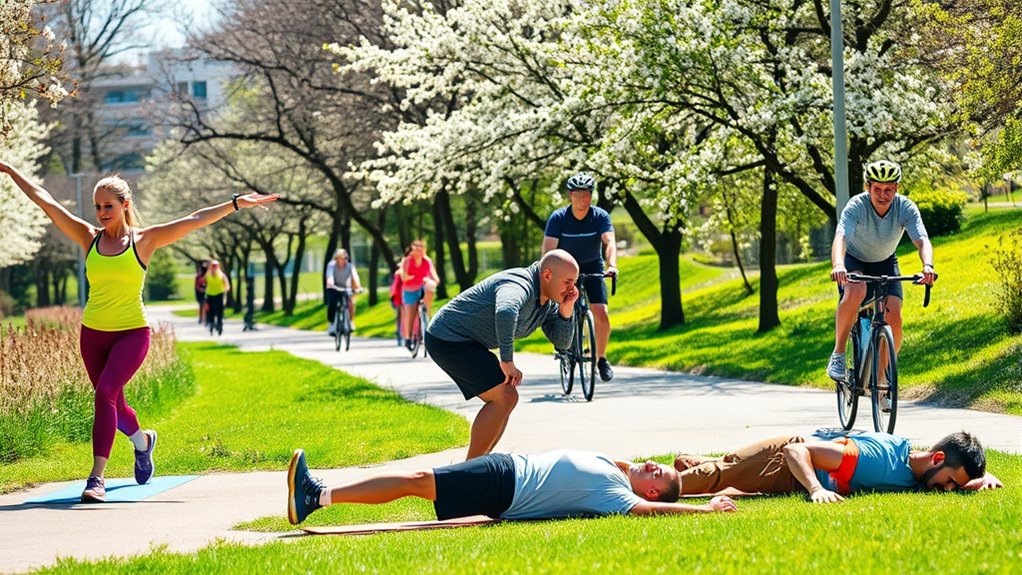
A balanced fitness routine builds endurance, strength, and flexibility while supporting overall health through varied, sustainable movement.
Muscular strength measures how much force your muscles can produce, while muscular endurance reflects how long they can work without tiring. Flexibility allows your joints to move through a comfortable range, supporting efficient movement and reducing stiffness.
Body composition describes the proportions of fat, muscle, bone, and other tissues in your body, offering useful context about overall health.
You can support each component through varied movement, recovery, hydration, and Nutrition planning. Mental resilience also helps you stay consistent when workouts feel challenging or progress seems gradual.
Learn how these components differ and connect so you can recognize a well-rounded approach to physical fitness without focusing on only one area. Pay attention to how activities feel, recover, and complement one another daily.

Start by evaluating your current fitness to identify your strengths and areas for improvement. Then, create SMART goals that are specific, measurable, achievable, relevant, and time-bound. These goals will give you a clear and realistic path toward improving your health-related fitness.
Assess Your Current Fitness
Before setting health-related fitness goals, assess your current abilities, activity habits, and areas that need improvement. Begin with an honest activity log.
Record your workouts, daily movement, sitting time, sleep, and energy levels for several days. Then review your health-related fitness components: cardiovascular endurance, muscular strength, muscular endurance, flexibility, and body composition.
Notice patterns rather than judging yourself. You can also complete simple, safe tests, such as counting comfortable repetitions or timing a brisk walk.
Stop if you feel pain, dizziness, or unusual breathlessness. Consider medical guidance before testing, especially if you have health concerns.
Watch for Fitness myths, including the belief that soreness proves effectiveness. Finally, identify Motivational strategies that help you stay engaged, such as exercising with a friend, choosing enjoyable activities, or tracking progress.
Create SMART Fitness Goals
Set SMART fitness goals that are specific, measurable, achievable, relevant, and time-bound. Instead of saying you’ll get healthier, choose a clear target, such as walking briskly for 30 minutes, five days weekly, for eight weeks.
Track workouts, duration, intensity, and progress so you’ll know whether your plan works. Select goals that match your current fitness level, schedule, and medical needs, and increase demands gradually to prevent injury.
Connect each objective to a meaningful benefit, such as stronger muscles, improved endurance, or better blood pressure. Include Nutrition planning by preparing balanced meals and scheduling healthy snacks that support training.
Build mental resilience by anticipating setbacks, using encouraging self-talk, and adjusting your plan without abandoning it. Review your results weekly, celebrate consistent effort, and revise goals as your abilities and priorities change.
Build Your Weekly Fitness Routine
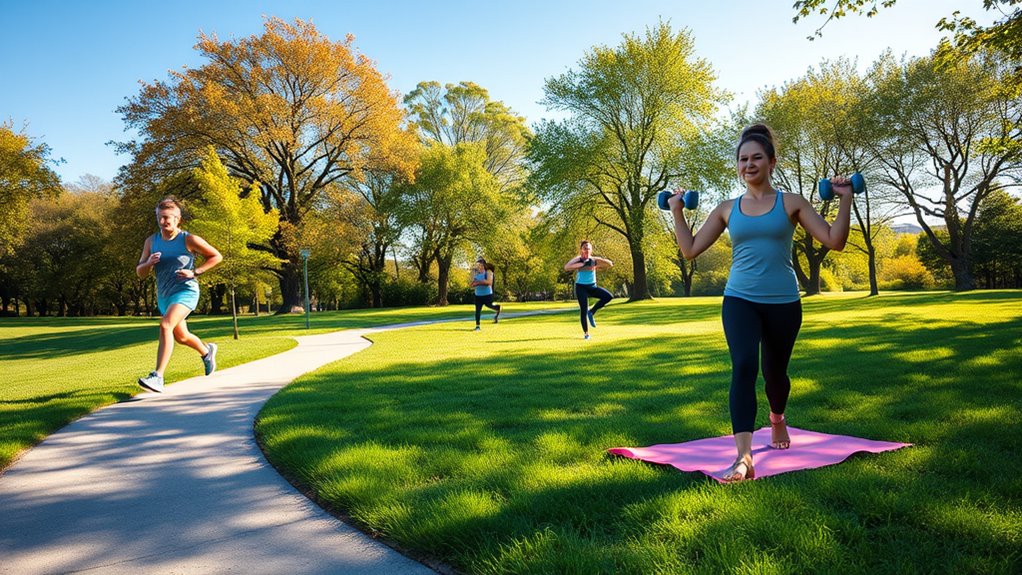
Build a weekly fitness routine with realistic goals you can stick with. Mix cardio and strength training to support your overall fitness, and include rest days to give your body time to recover.
Set Realistic Goals
Start by setting realistic goals that match your current fitness level, schedule, and health needs. Choose specific, measurable targets, such as completing three planned sessions weekly or walking for 20 minutes without stopping.
Break larger ambitions into small milestones so progress feels manageable and encouraging. Use these motivation strategies:
- Write your goal and deadline.
- Track completed sessions in a calendar.
- Celebrate consistency, not perfection.
- Adjust targets when your schedule changes.
- Share progress with a supportive friend.
Practice goal visualization by imagining yourself completing each session and noticing how stronger, more energetic, or confident you’ll feel.
Review your goals every few weeks and recognize improvements beyond numbers, including better sleep, mood, or daily stamina.
If setbacks occur, restart with a smaller step rather than abandoning your plan. Realistic goals help you build lasting habits and maintain steady commitment.
Balance Cardio and Strength
A balanced weekly routine combines cardio to improve heart and lung fitness with strength training to build muscle, support bones, and make daily activities easier. Plan activities that fit your goals, fitness level, and schedule.
You might walk briskly, cycle, or swim on some days, then perform exercises such as squats, rows, presses, and lunges on others. You can also combine shorter cardio sessions with strength exercises when time is limited.
Progress gradually by increasing duration, resistance, or repetitions while maintaining proper form. Use hydration strategies, such as drinking water before, during, and after exercise, especially in heat.
Nutritional planning supports performance. Include protein-rich foods, whole grains, fruits, and vegetables throughout your week. Track how your body responds and adjust intensity to keep training sustainable.
Schedule Rest Days
Schedule at least one rest day each week so your muscles can recover and your body can adapt to training. Rest doesn’t mean inactivity; choose gentle movement that supports circulation without adding strain.
Build rest day routines around your schedule, energy, and training intensity. Try these recovery strategies:
- Take an easy walk or stretch lightly.
- Drink water and eat balanced, protein-rich meals.
- Aim for consistent, quality sleep.
- Use breathing exercises to reduce stress.
- Notice soreness, fatigue, or declining motivation.
Place rest days after demanding workouts or several consecutive training sessions. If you feel sharp pain, stop exercising and seek professional guidance.
You can also use active recovery, such as mobility work or relaxed cycling, when complete rest feels unnecessary. Adjust your plan when work, illness, or poor sleep increases your recovery needs.
Consistent rest helps you train harder, prevent overuse injuries, and maintain long-term fitness progress.
Improve Aerobic Fitness Safely
Build aerobic fitness safely by increasing your activity gradually and choosing exercises that match your current ability. Start with walking, cycling, swimming, or another rhythmic activity you enjoy.
Aim for a pace that raises your breathing and heart rate without making conversation impossible. Warm up for five to ten minutes, then maintain a comfortable effort before cooling down slowly.
Use effective Breathing techniques: inhale steadily, exhale fully, and avoid holding your breath. Heart rate monitoring can help you judge intensity, especially during unfamiliar workouts.
Follow age-appropriate guidance or your healthcare professional’s target range rather than pushing for maximum effort. Add only a few minutes or a small amount of intensity each week.
If you feel chest pain, faintness, unusual shortness of breath, or a racing, irregular heartbeat, stop and seek medical help. Choose supportive footwear, stay hydrated, and exercise in safe conditions.
Consistency matters more than speed, so give your body time to adapt while protecting your progress. Listen to fatigue signals and schedule recovery when needed.
Strengthen Every Major Muscle Group
Once your aerobic routine feels manageable, add strength training to work every major muscle group. Resistance training builds stronger muscles, supports joints, and improves daily performance.
Add strength training once your aerobic routine feels manageable to build stronger muscles, support joints, and improve everyday performance.
Train two or more days weekly, allowing recovery between sessions. Choose weights, bands, machines, or bodyweight exercises that challenge you without sacrificing control.
- Chest: Perform push-ups or presses.
- Back: Use rows or pulldowns.
- Legs: Include squats, lunges, and deadlifts.
- Shoulders: Try overhead presses.
- Core and arms: Add planks, curls, and triceps extensions.
Begin with one or two sets of eight to twelve repetitions. Gradually increase resistance as exercises become easier.
For muscle hypertrophy, use consistent training, adequate protein, and sufficient rest. General strength also benefits from heavier loads and fewer repetitions.
Keep your spine neutral and move through a controlled range. Stop if you feel sharp pain.
You don’t need complicated routines. Full-body sessions can efficiently train all major muscle groups.
Track your exercises and progress so you’ll know when to adjust your program.
Increase Flexibility and Mobility
Improving flexibility and mobility helps you move through daily activities with less stiffness and better control. Add stretching exercises to your routine after warming up, when your muscles feel more prepared.
Hold each gentle stretch for about 15 to 30 seconds, and breathe steadily instead of bouncing. Target major areas, including your shoulders, chest, hips, hamstrings, calves, and lower back.
You can also use mobility drills to guide your joints through comfortable, controlled ranges of motion. Try ankle circles, hip openers, shoulder rolls, and thoracic rotations before workouts or during breaks.
Practice consistently, because small daily sessions often produce better results than occasional, intense stretching.
Move slowly and stop if you feel sharp pain, numbness, or unusual discomfort. If an injury or medical condition limits your movement, ask a qualified professional for guidance.
As your range of motion improves, you’ll find everyday tasks and exercise techniques easier to perform safely and comfortably.
Practice Balance and Coordination
Good balance and coordination help you move with control, react quickly, and reduce your risk of falls or missteps. Train these skills consistently with simple, focused exercises.
Start near a wall or sturdy chair so you can steady yourself when needed.
- Stand on one foot for 20–30 seconds, then switch sides.
- Walk heel-to-toe along a straight line, keeping your gaze forward.
- Practice side steps, backward steps, and gentle direction changes.
- Toss and catch a ball to develop eye-hand coordination.
- Rise onto your toes and lower slowly to build ankle stability.
As your control improves, close your eyes briefly during stationary exercises or use an unstable surface, but only with safe support nearby.
Add balance drills to warm-ups, strength sessions, or daily routines. Move slowly, maintain good posture, and breathe steadily.
Stop if you feel pain, dizziness, or unusual weakness. Challenge yourself gradually by increasing time, distance, or movement complexity rather than rushing through repetitions.
Regular practice helps you respond confidently during sports and everyday activities.
Support Fitness With Sleep and Recovery
How can you build fitness effectively without giving your body time to recover? Sleep and restoration help your muscles repair, energy return, and performance improve.
Aim for consistent sleep and create strong Sleep hygiene: keep your room cool, limit screens before bed, and follow a relaxing routine.
Schedule easier days between demanding workouts, and use gentle walking or stretching to support circulation without adding strain.
| Recovery habit | What you can do | Why it helps |
|---|---|---|
| Sleep | Keep a regular bedtime | Supports repair and energy |
| Nutrition | Eat protein and carbohydrates | Replenishes muscles and fuel |
| Rest days | Reduce training intensity | Limits fatigue and soreness |
Choose recovery nutrition that combines protein, produce, whole grains, and fluids after exercise.
Don’t wait until you feel exhausted to rest; pay attention to soreness, irritability, and declining motivation.
A brief nap may help when nighttime sleep falls short, but it shouldn’t replace a consistent schedule.
Track Your Fitness Progress
Track your progress by setting clear fitness benchmarks that align with your goals. Keep track of metrics like reps, weights, distance, or workout duration so you can see meaningful changes over time. Review your results regularly, and adjust your plan whenever needed.
Set Fitness Benchmarks
Set clear fitness benchmarks so you can measure progress and adjust your routine with confidence. Start by choosing realistic, health-focused targets that match your abilities, schedule, and medical needs.
Setting benchmarks gives you direction without turning exercise into a competition. Use standards to understand what improvement might look like, but remember that comparing standards can mislead when people have different ages, experiences, and goals.
- Select one benchmark for cardiovascular endurance.
- Choose a strength or muscular-endurance target.
- Include a flexibility or mobility goal.
- Set a body-composition aim only if appropriate.
- Review each benchmark every four to six weeks.
Make targets specific, measurable, and attainable. For example, aim to walk briskly for 30 minutes, complete additional repetitions with proper form, or reach a comfortable mobility position.
Celebrate steady improvement, and revise goals when they become too easy or unrealistic.
Record Workout Metrics
Record a few consistent workout metrics so you can see progress beyond changes in weight or appearance. Track the exercises you perform, including sets, repetitions, resistance, distance, duration, and rest periods.
Note your perceived effort and any modifications, such as reduced range of motion or lighter weights. You can use a notebook, spreadsheet, or fitness app to organize this workout data.
Choose measurements that match your goals: record walking pace for cardiovascular fitness, lifting volume for muscular strength, or hold times for muscular endurance.
Measure under similar conditions whenever possible, and enter details immediately after training while they’re fresh. Consistent performance tracking helps you identify meaningful changes and make informed adjustments during future workouts.
Keep your system simple enough that you’ll use it after every session.
Review Progress Regularly
Review your workout metrics weekly or monthly to identify meaningful trends in strength, endurance, speed, or recovery. Compare similar sessions rather than judging one difficult day. Look for gradual improvement, plateaus, or warning signs that suggest you should adjust training, sleep, nutrition, or rest.
- Track performance, energy, soreness, and recovery time.
- Celebrate small wins to build consistent motivation.
- Reassess goals when your circumstances or abilities change.
- Use photos, measurements, and fitness tests for broader evidence.
- Share updates with a coach or friend for peer accountability.
Turn your results into motivational storytelling by describing challenges, choices, and progress honestly. You’ll stay engaged when you recognize how consistent actions create change.
If progress stalls, modify one variable at a time and review the outcome later. Regular reflection keeps your plan safe, realistic, and aligned with your health-related fitness goals.
Prevent Injuries and Stay Consistent
How can you stay active without setbacks? Injury prevention starts with a gradual approach. Warm up for five to ten minutes, use proper technique, and choose equipment that fits your activity. Increase duration, intensity, or weight slowly instead of changing everything at once. Listen to your body, and stop when sharp pain, dizziness, or unusual swelling appears. Rest and seek professional guidance when symptoms persist.
Consistency strategies can help you maintain progress safely. Schedule workouts around your existing routine, set realistic weekly goals, and vary activities to reduce repetitive strain. Include strength, mobility, balance, and cardiovascular exercises for well-rounded fitness.
Take recovery days, sleep adequately, and fuel your body with nutritious meals and enough water. When life disrupts your plan, don’t quit. Shorten the session, take a walk, or resume tomorrow. Track your effort rather than chasing perfection.
Frequently Asked Questions
Can Physical Fitness Help Manage Chronic Health Conditions?
Yes, physical fitness can help you manage chronic health conditions by improving strength, endurance, balance, and daily function. Regular, moderate activity may lower blood pressure, improve blood sugar control, reduce pain, and support heart health.
It also contributes to Chronic illness management by helping you maintain a healthy weight and manage stress. Exercise provides immune system support, too.
Choose safe activities with your healthcare professional’s guidance, especially when symptoms, medications, or limitations affect your routine.
What Clothing and Footwear Are Best for Different Exercise Activities?
Choose athletic wear that fits your activity, the weather, and your comfort needs. For running, select lightweight, moisture-wicking clothes and properly cushioned footwear.
Wear flexible outfits and supportive shoes for strength training. Choose breathable layers and sturdy trail shoes for hiking.
Cycling calls for padded shorts, a fitted jersey, and cycling shoes. For swimming, use a secure swimsuit and goggles.
Like a medieval knight, protect your feet with activity-specific shoes to reduce injury risk.
Should I Consult a Doctor Before Beginning a Fitness Program?
Yes, you should consult a doctor before beginning a fitness program if you have pre-existing conditions, take prescription drugs, experience symptoms, or haven’t exercised recently.
Your doctor can review medication considerations, identify potential risks, and recommend suitable activities, intensity, and precautions.
Healthy adults may begin gradually, but medical guidance remains wise if you’re unsure. Stop exercising and seek care for chest pain, severe breathlessness, dizziness, or fainting during activity.
How Can I Stay Motivated When Exercising Feels Boring?
Stay motivated by adding exercise variety, setting small goals, and making movement enjoyable. Try cycling, dancing, swimming, strength training, or group classes instead of repeating one routine.
Use goal setting to choose specific, realistic targets, such as exercising three times weekly or walking an extra mile. Track your progress, reward consistency, and invite a friend to join you.
When boredom appears, change your music, location, intensity, or workout format.
What Affordable Equipment Is Useful for Home Workouts?
You can build a complete home workout with cost-effective gear: a jump rope, resistance bands, and an exercise mat. A $10 rope can deliver intense cardio in minutes, while bands strengthen nearly every major muscle without bulky weights.
Add adjustable dumbbells if your budget allows; they replace several fixed pairs. These versatile fitness tools fit under a bed, helping you exercise consistently without expensive gym fees or complicated equipment.
Conclusion
Improving health-related physical fitness takes patience, planning, and consistency. Set realistic goals, combine aerobic exercise with strength, balance, and coordination training, and give your body enough sleep and recovery time.
Track your progress so you can celebrate improvements and adjust your routine safely. Listen to your body, prevent injuries, and keep moving forward, even when progress feels slow.
Remember, “slow and steady wins the race.” With commitment, you’ll build healthier habits and improve your health-related physical fitness for lasting results.