How to Improve Health Care Accessibility
Finding accessible health care can feel frustrating when transportation, cost, language, or scheduling gets in the way. You’re not alone—many people struggle to find convenient, affordable care that meets their needs.
This guide explores practical ways to improve health care accessibility and make care easier to reach.
Improve health care accessibility by identifying barriers such as transportation, language, disability accommodations, cost, and scheduling.
You can expand community clinics, mobile units, home visits, and reliable transportation while offering evening appointments and interpretation.
Use telehealth, accessible digital booking, reminders, and plain-language information to simplify care.
Ask about coverage, financial assistance, payment plans, and written cost estimates.
Track referrals and delays, communicate with care teams, and partner with trusted local organizations to reach underserved residents.
The strategies below show how to put these improvements into practice.
Key Takeaways
- Expand affordable coverage, simplify enrollment, and provide assistance with premiums, deductibles, prescriptions, and transportation.
- Bring care closer through community clinics, mobile units, school programs, home visits, and extended appointment hours.
- Improve transportation with accessible vehicles, paratransit, ride partnerships, and reduced-fare or free passes.
- Simplify navigation using clear information, multilingual support, accessible booking systems, reminders, and coordinated referrals.
- Expand telehealth while ensuring digital literacy, privacy, interpretation, captions, accessibility features, and alternatives for urgent in-person care.
Start by Identifying Local Access Barriers

Improving health care access starts with identifying the barriers people in your community face. Listen before proposing solutions.
Talk with residents, caregivers, clinicians, interpreters, disability advocates, and local organizations about what prevents timely, respectful care.
Use community outreach to gather specific information. Hold conversations at libraries, schools, workplaces, faith centers, and neighborhood events.
Offer several ways to respond, including anonymous surveys, translated materials, phone calls, and online forms.
Ask about transportation, appointment scheduling, language differences, disability accommodations, cultural trust, digital access, and confusing information. Look for patterns, but don’t assume every person shares the same experience.
Map where barriers occur and who faces them most often. Compare community feedback with clinic data, missed appointments, complaints, and public health findings.
Then prioritize problems according to urgency, impact, and feasibility.
Share your findings transparently with residents and decision-makers. Policy advocacy can help address systemic obstacles.
Continued listening ensures your priorities reflect lived experiences rather than outside assumptions or incomplete statistics.
Expand Affordable Health Care Access

Once local cost barriers are clear, expand affordable health care by helping people obtain coverage and reduce out-of-pocket expenses. You can support insurance reform that limits premiums, protects people with preexisting conditions, and simplifies enrollment.
Expand affordable health care by improving coverage access, limiting costs, protecting patients, and simplifying enrollment.
Offer clear guidance through trusted community channels so residents can compare plans, understand eligibility, and apply without confusion.
You can also strengthen public programs by widening income eligibility, increasing subsidies, and extending renewal periods. Funding initiatives can help cover premiums, deductibles, prescription costs, and transportation to appointments.
Direct investments toward programs that demonstrate measurable improvements in enrollment and financial protection. Track results by monitoring coverage rates, medical debt, delayed care, and household spending.
Partner with employers, insurers, government agencies, and nonprofit organizations to coordinate assistance and prevent gaps. Make application materials available in commonly spoken languages and provide accessible digital and paper options.
When you reduce financial obstacles, you’ll help more people seek timely care, maintain coverage, and avoid serious costs later. Review policies regularly so affordability improvements keep pace with changing community needs.
Design Services for Underserved Patients
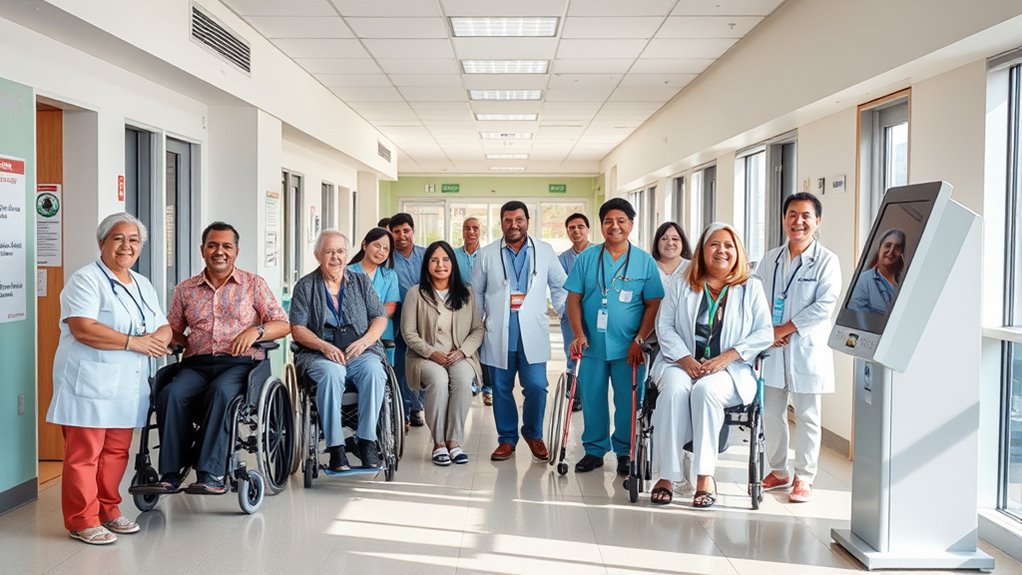
You can expand community-based care by bringing essential services closer to underserved patients. Make it easier to find appointments, resources, and support in one place. Provide clear translations and interpreters so patients can understand their options and make informed health decisions.
Expand Community-Based Care
Community-based care brings essential health services closer to underserved patients, reducing transportation, cost, and scheduling barriers. You can expand access by supporting clinics, mobile health units, school-based programs, and home visits in neighborhoods with limited resources.
Use community engagement to learn what residents need, when they need it, and which providers they trust. You’ll design more relevant services when you involve local leaders, patients, cultural organizations, and caregivers from the beginning.
Strengthen care coordination among community health workers, primary care teams, specialists, pharmacies, and social-service organizations. Shared plans and reliable communication can help you address medical needs alongside food insecurity, housing challenges, transportation gaps, and language barriers.
Train staff in cultural humility and provide interpretation when needed. Measure participation, wait times, follow-up rates, and patient feedback so you can improve programs continuously and direct resources where they matter most.
Accessible care also depends on making services easy to find, understand, and use. You shouldn’t have to navigate confusing websites, forms, or phone menus to get help.
Create one clear entry point, explain each step in plain language, and show costs, eligibility, hours, and transportation options upfront.
Offer phone, in-person, and online routes so you can choose what works best.
Support digital literacy with brief demonstrations, printed guides, and staff who can walk you through portals without taking control.
| Barrier | Helpful design |
|---|---|
| Complex forms | Short, guided questions |
| Unclear eligibility | Simple checklists |
| Missed appointments | Text or call reminders |
| Limited internet | Walk-in and phone support |
When you can compare options and track your next step, you gain Patient empowerment and greater control.
Test every service with underserved patients, then revise it using their feedback. Clear navigation builds trust and improves follow-through.
Address Language Barriers
Language shouldn’t prevent you from understanding or receiving care. Ask your health care provider for qualified Language interpretation when you need it.
Don’t rely on children or relatives to translate complex medical information; trained interpreters protect your privacy and help you make informed decisions.
You can also request translated consent forms, medication instructions, appointment reminders, and online resources.
If you’re designing a clinic, offer interpretation by phone, video, or in person, and train staff to explain how patients can access it.
Use clear, multilingual signage throughout entrances, waiting rooms, and treatment areas so you can find registration, restrooms, and services easily.
Collect language preferences during scheduling, record them accurately, and provide accessible support at every visit.
Respect your communication needs, confirm understanding, and invite questions before you leave.
Bring Care Into Local Communities
You can improve access by expanding neighborhood clinics in the communities where people live and work.
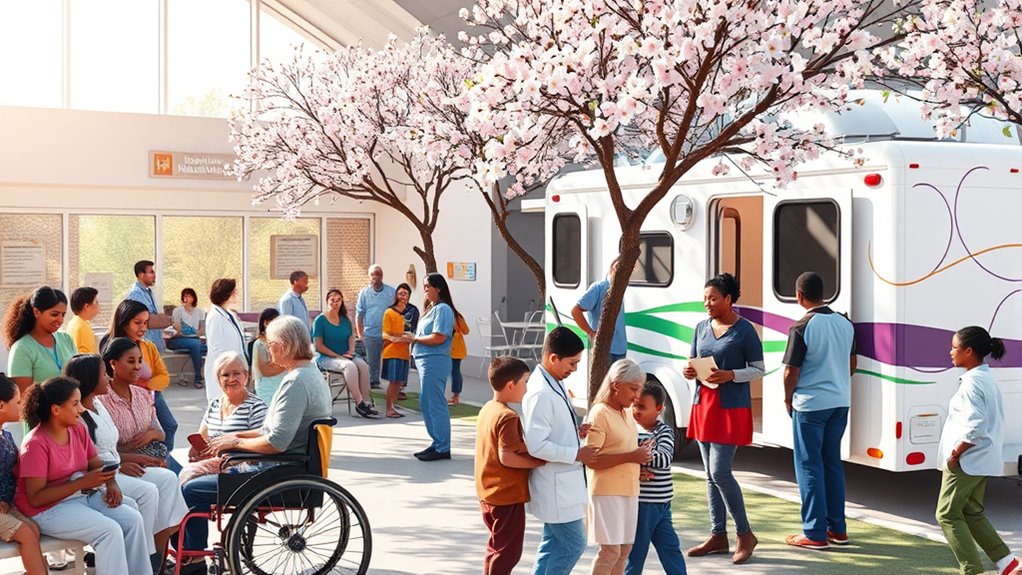
You can also bring essential services closer with mobile health units that reach underserved areas. Together, these efforts make timely, convenient care easier to access.
Expand Neighborhood Clinics
When neighborhood clinics are located near where you live, getting routine care becomes easier and more convenient. You can schedule checkups, vaccinations, screenings, and follow-up visits without traveling across town or missing an entire workday. Expanding these clinics also helps you build consistent relationships with doctors, nurses, and other professionals who understand local needs.
Strong community outreach can show residents which services clinics offer, explain eligibility requirements, and connect underserved families with affordable care. Clinic partnerships with schools, employers, pharmacies, and community organizations can broaden referrals and coordinate support while keeping services close to home.
You’ll benefit when clinics offer evening appointments, language assistance, accessible facilities, and transparent fees. By investing in well-equipped neighborhood locations, communities can reduce delays, encourage prevention, and make quality health care easier for you to use.
Support Mobile Health Units
Mobile health units bring checkups, screenings, vaccinations, and basic treatment directly to neighborhoods that lack nearby clinics. When you support these services, you help people overcome transportation, cost, and scheduling barriers.
Mobile clinics can park near schools, workplaces, housing communities, and rural centers, so you won’t need to travel far for essential care. Encourage local health departments, nonprofits, and hospitals to coordinate routes and publish reliable schedules.
You can also volunteer, donate, or share appointment information with neighbors who might miss traditional services. Strong community outreach helps providers understand local needs, build trust, and connect patients with follow-up care.
Ask leaders to fund accessible vehicles, trained staff, interpretation, and digital record systems. By bringing care closer, you’ll help more people seek timely treatment and protect community health.
Use Telehealth When In-Person Care Is Hard
If getting to a clinic is difficult, telehealth lets you connect with a doctor by phone or video. You can use virtual consultations for medication reviews, follow-up visits, mental health support, and advice about new symptoms.
Remote diagnostics may also help when you share readings from a blood-pressure monitor, glucose meter, or thermometer.
| Need | Telehealth option |
|---|---|
| Follow-up care | Video or phone visit |
| Medication questions | Secure message or call |
| Skin concerns | Upload clear photos |
| Chronic conditions | Share home readings |
Before your appointment, test your internet connection, charge your device, and write down your symptoms and questions.
Choose a private space so you can speak openly. Ask whether the visit includes interpretation, captions, or other accessibility features.
Telehealth can save time and reduce barriers, but it doesn’t replace urgent in-person care. Seek emergency help for severe breathing trouble, chest pain, sudden weakness, or other life-threatening symptoms.
Confirm how you’ll receive prescriptions, test orders, and follow-up instructions after the visit.
Help Patients Get to Health Care
You can expand transportation services so patients can get to appointments safely and reliably. You can also provide mobile clinics that bring essential care closer to underserved communities. Together, these options can remove travel barriers and help people get the care they need on time.
Expand Transportation Services
Reliable transportation can determine whether you receive timely medical care or miss an appointment. When you can’t drive, affordable rides can help you reach checkups, treatments, pharmacies, and urgent services.
Health systems should expand bus routes, paratransit, and wheelchair-accessible vehicles near hospitals and clinics. They can also offer free or reduced-fare passes, flexible scheduling, and simple reservation systems.
If you live in a remote area, Rural transportation programs can connect you with dependable drivers instead of leaving you to arrange costly travel.
For older adults, improved Elderly mobility services can reduce isolation and help you manage ongoing care.
Ask your clinic about vouchers, volunteer drivers, or ride partnerships. Communities can coordinate these options so you’ll spend less time traveling, avoid missed appointments, and receive care when you need it.
Provide Mobile Clinics
Mobile clinics bring screenings, checkups, vaccinations, and basic treatments directly to neighborhoods that lack nearby health facilities. If you live far from a hospital, you can visit these traveling units at schools, community centers, workplaces, or local events.
You won’t need to arrange expensive transportation or miss a full day of work for routine care. Health professionals can also identify warning signs early, provide referrals, and connect you with ongoing services.
Effective community outreach helps providers learn what each neighborhood needs. You can share your concerns, request convenient visit times, and encourage neighbors to attend.
Health organizations should publish schedules in multiple languages, offer accessible entrances, and protect patient privacy. By supporting mobile clinics, you’ll help reduce travel barriers, strengthen prevention, and make essential care easier for everyone to reach.
Offer Clear, Inclusive Health Information
Clear, inclusive health information helps you understand your options and make informed decisions about your care. Providers should use plain language, explain medical terms, and organize key details with headings, visuals, and examples.
When you understand symptoms, treatments, risks, and costs, you can ask questions and participate confidently in decisions.
Support health literacy by offering materials in multiple languages, accessible formats, and reading levels. Include large print, captions, screen-reader-friendly pages, and interpreters for people with disabilities or limited English proficiency.
Respect cultural differences, avoid assumptions, and invite you to share your preferences and concerns.
Use digital outreach to share accurate information through websites, text messages, social media, and patient portals. Keep content current, protect privacy, and make it easy to verify trustworthy sources.
If you lack internet access, provide printed materials, phone support, and community-based education. Clear communication builds trust and helps you recognize when and where to seek appropriate care.
Review information with you to confirm understanding, not merely provide instructions.
Shorten Wait Times and Simplify Scheduling
Long waits and complicated scheduling can delay the care you need. Health care providers can improve access by offering flexible appointment times, expanding same-day availability, and monitoring delays.
Flexible scheduling and same-day availability reduce delays, helping you access needed care sooner.
When clinics match staffing with demand, you won’t spend unnecessary hours in a waiting room or postpone treatment.
A reliable Digital appointment system lets you choose a suitable time, receive immediate confirmation, and change your visit without calling during busy hours.
Clear Online booking tools should work well on phones, support accessibility features, and display available services, costs, and appointment lengths. Providers should also offer phone scheduling for people who lack reliable internet access.
You can benefit from text, email, or phone reminders that include the date, time, location, and cancellation instructions.
Clinics should protect your information, update schedules promptly, and tell you about delays as soon as possible. These practical changes make scheduling faster, reduce missed visits, and help you receive timely care.
When you need care, patient navigators can help you understand your options, complete forms, coordinate referrals, and find the right services. They can explain medical terms, prepare you for appointments, and help you identify questions to ask your care team.
With clear Patient education, you’ll feel more confident making decisions and following treatment instructions.
Ask whether your clinic offers navigation by phone, online, or in person. A navigator can connect you with interpreters, disability accommodations, transportation resources, and community programs that support your care.
If you’re unsure which specialist or service you need, they can help you follow the appropriate referral pathway.
Insurance navigation can also help you understand plan requirements, provider networks, prior authorization, and covered services. Keep your questions, documents, and appointment details together so you can share accurate information.
You don’t have to manage the system alone. Request guidance whenever instructions seem confusing, your needs change, or you’re unsure what to do next.
Track Cost, Coverage, and Care Access
Track your insurance coverage, out-of-pocket costs, and appointment details so you can plan care and avoid unexpected bills. Keep your policy card, benefit summary, and provider directory in one accessible place.
Before scheduling, confirm that your clinician, facility, and required tests participate in your plan. Ask about copays, deductibles, coinsurance, and possible facility fees, then request an estimate in writing.
Cost transparency helps you compare options and spot errors early. Review every bill against your explanation of benefits, and contact your insurer or provider when charges seem incorrect.
If you can’t afford a service, ask about sliding-scale fees, payment plans, generic medications, financial assistance, or community clinics.
Track referrals, authorization deadlines, wait times, transportation needs, and canceled appointments. Use a calendar or care-management app to organize follow-ups and reminders.
If coverage changes, update your care team promptly. By monitoring expenses and access barriers, you’ll make informed choices, reduce delays, and stay connected to necessary care.
Share this information with a trusted support person when needed.
Frequently Asked Questions
How Can Employers Support Employees Facing Health Care Access Challenges?
You can support employees facing health care access challenges by offering flexible schedules, paid medical leave, transportation assistance, and telehealth options. Strengthen workplace benefits with affordable insurance, mental health coverage, prescription support, and dependent-care resources.
Use employee outreach to explain services clearly, protect privacy, and connect workers with community clinics. Train managers to respond empathetically, avoid stigma, and help employees find solutions without risking job security or income.
What Role Do Schools Play in Improving Children’s Health Care Access?
You can help schools improve children’s health care access by supporting school-based clinics that provide screenings, vaccinations, mental health services, and referrals during the school day.
You can also strengthen student health education by teaching children how to recognize symptoms, prevent illness, and seek care confidently.
When you connect schools with families, community providers, transportation assistance, and insurance enrollment resources, you reduce practical barriers and help every child receive timely, consistent care.
How Can Health Care Organizations Protect Patient Privacy and Security?
You can protect patient privacy and security by using Data encryption for records, messages, and backups. Limit access according to each employee’s role, require strong passwords and multifactor authentication, and monitor systems for unusual activity.
Provide regular Staff training on confidentiality, phishing, device safety, and breach reporting. Keep software updated, secure physical files, and obtain informed consent before sharing information.
Finally, test your response plan regularly so you’ll act quickly when threats occur.
What Policies Can Governments Adopt to Reduce Health Care Disparities?
You can start by declaring health care “equal for everyone,” then quietly charge different prices at every door. Instead, adopt policies that guarantee affordable insurance, cap out-of-pocket costs, and fund clinics in underserved communities.
Require language access, disability accommodations, and culturally competent care. Support telemedicine expansion with broadband grants and device programs, while protecting privacy.
You’ll reduce disparities further by collecting equity data, enforcing nondiscrimination rules, and rewarding providers who serve marginalized populations.
How Should Health Care Systems Measure the Success of Accessibility Improvements?
You should measure accessibility improvements through outcomes, equity, experience, and efficiency. Track whether more people obtain timely appointments, preventive services, medications, and follow-up care, disaggregating results by income, race, disability, language, geography, and age.
Evaluate Telehealth Expansion by monitoring usage, completion rates, affordability, and digital inclusion. Assess Community Outreach through participation and referrals.
Survey patients about convenience and trust, then compare results regularly against clear baseline targets.
Conclusion
Improving health care accessibility isn’t a single bridge you build; it’s a path you clear, one barrier at a time. When you expand affordable services, bring care closer, offer telehealth, and share clear information, more people can reach the help they need.
By simplifying scheduling, guiding patients, and tracking costs and coverage, you’ll turn a confusing maze into a well-marked road. Keep listening to local needs, and you’ll help improve health care accessibility and create a healthier future where no one gets left behind.