
What Are Health Education and Behavior?
Many people want to make healthier choices but struggle to turn good intentions into consistent daily habits. You’re not alone—busy schedules, stress, confusing information, and limited resources can make wellness feel difficult.
Health education gives you accurate knowledge and practical skills to protect and improve your well-being.
Health behavior describes the daily actions and decisions you make, such as eating, exercising, sleeping, managing stress, seeking care, and following treatment instructions.
Your beliefs, emotions, culture, social influences, environment, and access to resources shape these choices.
By building health literacy, setting realistic goals, and tracking progress, you can replace harmful habits with healthier ones and identify strategies that support lasting wellness.
Key Takeaways
- Health education is the process of gaining accurate knowledge and practical skills to protect and improve health.
- It covers nutrition, physical activity, sleep, hygiene, safety, mental well-being, and healthcare decisions.
- Health behavior includes actions and choices that influence physical, mental, and social well-being.
- Behaviors include eating, exercising, sleeping, seeking care, taking medications, and managing stress.
- Knowledge, beliefs, emotions, culture, social influences, environment, and resources shape health behaviors.
What Is Health Education?
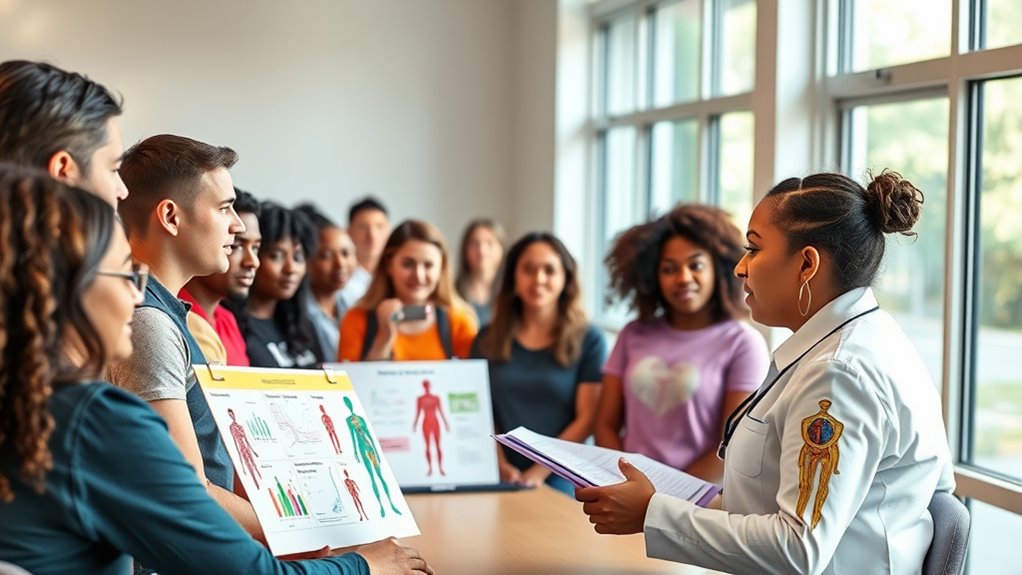
What is health education? It’s the process of helping you gain accurate knowledge and practical skills for protecting and improving your health. You learn how your body works, how prevention reduces risks, and how to evaluate information before making informed choices.
Health education can address nutrition, physical activity, sleep, hygiene, safety, mental well-being, and healthcare services.
Effective education strengthens health literacy, so you can understand medical terms, follow instructions, compare reliable sources, and communicate confidently with professionals.
It doesn’t simply give you facts. It connects information to everyday situations and helps you identify realistic resources for support.
You might receive health education in schools, workplaces, clinics, community programs, or online courses. A teacher, nurse, counselor, or wellness coaching professional can explain concepts, answer questions, and help you set practical learning goals.
Quality education respects your culture, needs, and circumstances. It makes essential information accessible, useful, and easier to apply throughout your life.
What Is Health Behavior?
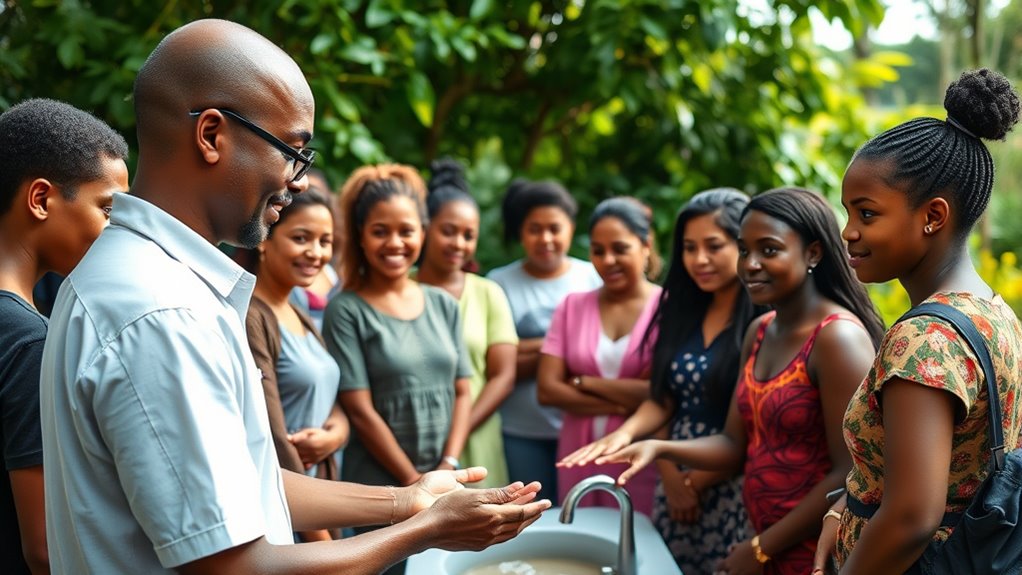
Your health behavior includes the actions and choices that affect your well-being. These choices can be shaped by your personal beliefs, social influences, environment, and access to resources. By recognizing which behaviors support or harm your health, you can make informed changes to improve your well-being.
Definition of Health Behavior
Health behavior refers to the actions and decisions that influence your health, whether you make them deliberately or develop them through habit. It includes what you eat, how you move, how you sleep, and whether you seek preventive or medical care.
Your behavior can promote wellness, reduce risks, manage illness, or support recovery. It also includes everyday practices, such as taking medicine as prescribed, washing your hands, and using safety equipment.
Health literacy helps you understand health information and apply it when making decisions. Personal motivation can help you begin and maintain behaviors that support your well-being.
However, health behavior isn’t limited to major lifestyle changes. Small, repeated actions shape your health over time.
Factors Influencing Health Choices
Several factors shape the health choices you make, including your knowledge, beliefs, emotions, environment, culture, finances, and access to care. Your understanding of health information can guide your decisions, while personal values and past experiences shape what you consider important.
Stress, fear, confidence, and motivation may also affect how you evaluate options. Cultural beliefs can influence your attitudes toward food, activity, medicine, and professional advice.
Peer influence, family expectations, and social media may encourage or discourage particular choices. Your neighborhood, workplace, and available resources can make some options easier than others.
Cost, transportation, insurance, and appointment availability also matter. Recognizing these influences helps you understand your decisions and identify barriers.
Health education can give you practical knowledge and skills to make informed choices that fit your needs and circumstances.
Healthy and Unhealthy Behaviors
What choices shape your well-being each day? Health behavior includes the actions you take that support or harm your physical, mental, and social health.
Your dietary habits, exercise routines, sleep, hygiene, and substance use can gradually influence disease risk, energy, and mood. Healthy behaviors don’t require perfection; consistent, realistic choices matter most.
| Healthy behaviors | Unhealthy behaviors |
|---|---|
| Eating varied, nourishing foods | Frequently choosing nutrient-poor foods |
| Moving your body regularly | Remaining inactive most days |
| Sleeping consistently | Ignoring ongoing sleep loss |
You can strengthen healthy patterns by setting specific goals, tracking progress, and adjusting your environment. For example, keep water available, schedule movement, and protect a regular bedtime.
Unhealthy behaviors often develop through stress, convenience, or social pressure, but you can replace them with safer alternatives. Health education helps you recognize these patterns and choose actions that improve your well-being.
How Does Health Education Shape Behavior?

Health education helps you build healthy habits by giving you practical knowledge and encouraging consistent action. It also helps you make informed choices about nutrition, exercise, prevention, and care. As you put what you learn into practice, you can develop behaviors that support your long-term well-being.
Building Healthy Habits
Building healthy habits begins when education turns information into practical, repeatable actions. You can apply lessons by setting small goals, tracking progress, and adjusting routines without expecting perfection.
Dietary patterns improve when you plan balanced meals, notice portion sizes, and keep nourishing options available. Sleep hygiene strengthens when you follow a consistent bedtime, limit screens, and create a calm bedroom.
| Health lesson | Daily habit |
|---|---|
| Balanced nutrition | Add vegetables to lunch |
| Regular movement | Walk for ten minutes |
| Sleep hygiene | Keep a steady bedtime |
| Stress management | Practice slow breathing |
Education helps you connect choices with outcomes, making healthy behaviors easier to repeat. You’ll build confidence as routines become familiar, and you can reinforce progress by celebrating consistency rather than relying on motivation.
Over time, these manageable actions support energy, concentration, and long-term well-being while fitting realistically into your daily schedule.
Encouraging Informed Choices
When you understand reliable health information, you can weigh options, question misleading claims, and choose actions that support your well-being.
Health education helps you connect evidence with your goals, so you can make decisions about nutrition, physical activity, screenings, medications, and prevention.
Instead of telling you what to do, effective educators encourage questions and explain benefits, risks, and alternatives in clear language.
Motivational interviewing helps you investigate your reasons for change, address concerns, and choose realistic next steps.
Cultural competence ensures that guidance respects your values, experiences, language, and community practices.
As you gain confidence, you’re more likely to evaluate online advice, discuss choices with professionals, and follow plans that fit your life.
Informed choices don’t require perfection. They help you act intentionally and adjust when circumstances change.
What Influences Health Behavior?
Your health behavior reflects more than personal choice. It develops through the combined effects of your knowledge, beliefs, emotions, environment, culture, social relationships, and access to resources. You may understand healthy choices yet face barriers that shape what you do each day.
| Influence | How it may appear |
|---|---|
| Cultural influences | Family traditions guide meals, healing, and activity. |
| Socioeconomic factors | Income affects food, housing, transportation, and care. |
| Social relationships | Friends and family can encourage or discourage habits. |
Your surroundings also matter. A nearby park can invite movement, while unsafe streets may keep you indoors.
Advertising, workplace schedules, school policies, and neighborhood food options can steer your decisions, often without your noticing.
Stress and emotions influence sleep, eating, substance use, and willingness to seek support.
Personal experiences, including past success or disappointment, shape your confidence and motivation.
Recognizing these influences helps you understand your behavior without reducing it to willpower alone.
Why Do Health Education and Behavior Matter?
Health education helps you make informed choices that support your well-being. When you build healthy habits, you also contribute to a healthier community. Let’s look at how individual actions can lead to broader health benefits.
Promoting Healthy Choices
Why do health education and behavior matter? They help you turn knowledge into daily choices that protect your energy, confidence, and long-term health.
With nutritional awareness, you can read labels, balance meals, and notice how food affects your mood and stamina. Through stress management, you can recognize pressure early and choose helpful responses, such as breathing exercises, movement, or restorative sleep.
Small decisions build powerful habits.
| Your choice | Possible feeling |
|---|---|
| Nourish your body | More energetic |
| Pause and manage stress | More in control |
You don’t need perfection to improve. Start with one realistic change, track how it affects you, and adjust without self-judgment.
When you choose supportive behaviors repeatedly, you strengthen your ability to care for yourself and make healthier decisions, even during challenging days.
Improving Community Wellness
How can one person’s healthy choices strengthen an entire community? When you choose nutritious foods, stay active, and seek preventive care, you influence family, friends, and neighbors. Your example can make wellness feel practical and achievable, while your participation in health programs helps build trust and shared responsibility.
Health education also helps you understand Cultural influences that shape food traditions, activity preferences, communication, and health beliefs. Respecting these differences makes outreach more relevant and inclusive.
You’ll also recognize how Socioeconomic factors affect access to healthy foods, safe places to exercise, transportation, and medical services. By supporting affordable programs, welcoming environments, and fair policies, you can help reduce barriers.
Small, informed actions, combined with community support, create healthier schools, workplaces, and neighborhoods where everyone has a better opportunity to thrive and live well.
Where Does Health Education Happen?
Where you learn about health can shape the choices you make each day. Health education happens in many settings, giving you practical information through familiar experiences.
At school, teachers include health topics in the School curriculum. You may study nutrition, mental well-being, relationships, safety, personal hygiene, and physical activity. Lessons, discussions, projects, and school counselors can help you understand health choices in age-appropriate ways.
Schools provide age-appropriate health education through lessons, discussions, projects, and counselors, supporting informed choices and lifelong well-being.
You can also learn at work through workplace training. Employers may offer sessions about ergonomics, stress management, emergency procedures, first aid, and health resources. These programs connect information with your daily tasks and work environment.
Community centers, libraries, clinics, sports clubs, and faith-based organizations provide additional opportunities. You might attend a workshop, speak with a qualified educator, read reliable materials, or join a group activity.
Families and online platforms also influence what you learn. When you encounter consistent, trustworthy guidance across these settings, you can build health knowledge that supports informed decisions throughout life.
How Does Health Education Prevent Illness?
Health education helps you prevent illness by showing you how infections spread, which habits protect your body, and when to seek care. You learn to recognize risks in daily life, such as contaminated food, unsafe water, close contact, and insect bites.
Clear information encourages you to wash your hands, prepare food safely, use protection, stay home when sick, and follow treatment directions. It also builds vaccination awareness, helping you understand which vaccines you need, when to receive them, and why community protection matters.
Health education guides you toward preventive screening, so you can detect conditions before symptoms become serious. You learn which tests fit your age, health history, and risk factors, then discuss appropriate timing with a qualified professional.
Reliable education also helps you identify warning signs and seek timely care instead of delaying. By applying accurate health information, you reduce exposure, catch problems earlier, and protect your well-being and the people around you.
What Skills Support Healthy Behavior?
Preventing illness also depends on skills that help you turn health information into daily action. You need critical thinking to evaluate health claims, recognize reliable sources, and make informed choices.
Critical thinking transforms health information into informed choices and practical actions that support illness prevention.
Goal-setting helps you define realistic targets, such as walking regularly, improving sleep, or eating more vegetables. Self-monitoring lets you track your habits, notice patterns, and adjust your approach without judging yourself.
Communication skills also support healthy behavior. You can ask clear questions, explain your needs, and seek professional guidance when information feels confusing.
Decision-making skills help you compare options and consider possible risks before acting. Emotional awareness lets you recognize feelings that influence eating, activity, or substance use.
With mindfulness practices, you can pause, notice urges, and choose a response deliberately. Stress management skills, including breathing exercises, relaxation, and time planning, can protect your well-being and make healthy routines easier to maintain.
Practice these skills consistently, and small choices can develop into lasting habits.
How Does Community Health Education Help?
Community health education gives you practical knowledge and support to make healthier choices where you live, work, and learn. It connects you with reliable information about nutrition, safety, disease prevention, mental health, and available local services.
You can ask questions, discuss concerns, and gain confidence when trained educators explain health topics in clear, relevant ways.
These efforts also strengthen Community engagement. You can join workshops, neighborhood discussions, screenings, or support groups that reflect your community’s needs and values.
By sharing your experiences, you help educators identify barriers such as transportation, cost, language, or limited access to care.
Community health education can also encourage Policy advocacy. You can learn how local decisions affect clean air, safe housing, school wellness, and healthcare access, then work with others to request fairer policies.
This participation helps communities organize resources, build partnerships, and create environments that support health. You’re not just receiving information; you’re gaining tools to speak up and connect with meaningful support.
How Do Health Education Programs Change Behavior?
The knowledge and support you gain through health education can lead to lasting behavior changes. Effective programs help you understand health risks, set realistic goals, and build practical skills.
Health education builds knowledge, practical skills, and realistic goals that support lasting, meaningful behavior change.
You might learn how to prepare nutritious meals, manage stress, use medication safely, or add physical activity to your routine. Educators also help you identify barriers and create strategies that fit your values, schedule, and resources.
Motivational interviewing can strengthen your commitment by guiding you to examine your own reasons for change rather than telling you what to do. When you choose meaningful goals, you’re more likely to monitor progress and adjust your plan.
Peer support can provide encouragement, shared experiences, and accountability, making healthy choices feel more achievable. Regular follow-up reinforces new habits and helps you address setbacks without giving up.
Frequently Asked Questions
What Careers Are Available in Health Education and Behavior?
You can pursue careers as a health educator, community health worker, wellness coordinator, public health specialist, or health promotion manager. You might design programs, teach healthy behaviors, evaluate community needs, or connect people with essential services.
Community outreach roles let you work in schools, hospitals, nonprofits, workplaces, and government agencies. With additional training, you could become an epidemiologist, prevention coordinator, or behavioral health consultant, helping communities improve their well-being and access.
How Is Health Education and Behavior Evaluated Through Research?
Researchers evaluate health education and behavior by measuring what you know, what you do, and what changes over time. They assess Health literacy through surveys, interviews, and performance tasks, then track outcomes such as knowledge, attitudes, behaviors, and health indicators.
They test Behavior change techniques in controlled trials, compare intervention and control groups, and analyze follow-up data. You’ll see researchers use both quantitative statistics and qualitative feedback to judge effectiveness, equity, and sustainability.
What Ethical Issues Arise in Health Education Practice?
You’ll encounter ethical issues involving informed consent, privacy, fairness, and potential harm in health education practice. You must explain programs clearly, respect participants’ autonomy, and protect confidential information.
You shouldn’t pressure people to participate or exaggerate expected benefits. Cultural sensitivity requires you to respect beliefs, languages, traditions, and community priorities rather than impose outside values.
You also need to address unequal access, disclose conflicts of interest, and evaluate outcomes honestly while safeguarding vulnerable groups.
Which Organizations Set Standards for Health Education Professionals?
You’ll find the field’s compass in organizations that shape professional standards. The National Commission for Health Education Credentialing (NCHEC) sets competencies and administers the CHES and MCHES credentials.
The Society for Public Health Education (SOPHE) supports ethical practice, professional development, and advocacy. Public health agencies and accrediting bodies also guide expectations for health promotion and community outreach.
Together, they help you navigate practice with consistent, evidence-based standards and accountability.
How Can Someone Earn Certification in Health Education?
You can earn health education certification by completing an accredited bachelor’s degree, meeting required coursework or work-experience standards, and passing the Certified Health Education Specialist (CHES) exam.
If you’ve gained advanced professional experience, you may qualify for the Master Certified Health Education Specialist (MCHES) credential.
Review eligibility rules, prepare with official materials, and submit your application through the National Commission for Health Education Credentialing.
Continuing education maintains your certification and strengthens health literacy and lifestyle modification practice.
Conclusion
Health education and behavior work hand in hand to help you make informed, lasting choices. When you understand health risks, practice useful skills, and receive support from your community, you’re better prepared to prevent illness and protect your well-being.
Effective programs turn knowledge into action by meeting your needs and building confidence. Think of health education and behavior as a roadmap: it shows you the path, while your daily decisions move you toward a healthier future, one step at a time.