What Is a Yearly Health Check?
Many people put off a yearly health check because life gets busy or they feel fine—but you’re not alone. A routine visit can make it easier to stay on top of your health, catch concerns early, and get personalized guidance without waiting for a problem to appear.
A yearly health check is a routine appointment that helps you monitor your overall well-being, even when you feel healthy. Your provider reviews your medical history, medications, allergies, family risks, and current concerns.
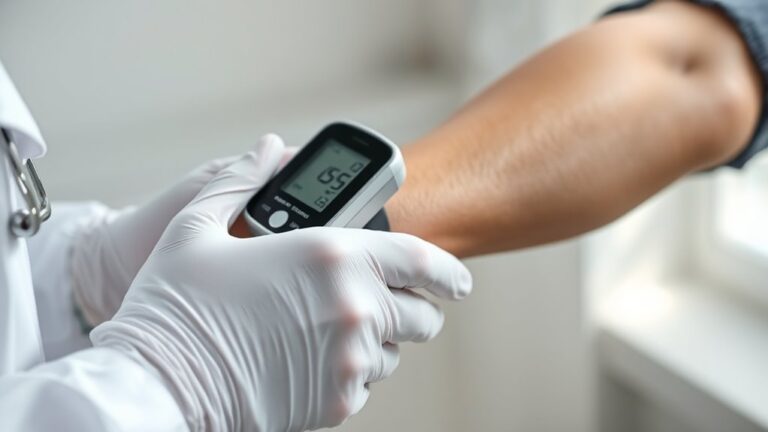
They’ll check essential signs such as blood pressure, heart rate, height, and weight, then recommend screenings, vaccines, or lifestyle changes based on your needs. This visit can catch hidden problems early and support informed decisions.
You’ll also learn how to prepare and what to ask.
Key Takeaways
- A yearly health check is a routine appointment assessing your overall health, even when you feel well.
- It typically reviews your medical history, medications, allergies, family history, lifestyle, and current health concerns.
- Clinicians measure vital signs and may perform physical examinations or recommend age- and risk-based screenings.
- The visit supports prevention through vaccinations, early detection of hidden conditions, and personalized health recommendations.
- Bring updated medical information, questions, relevant records, and notes about symptoms or lifestyle changes to prepare.
What Is a Yearly Health Check?

A yearly health check is a routine appointment with your healthcare provider to assess your overall well-being, even when you feel healthy. During this visit, you’ll discuss your medical history, current concerns, medications, allergies, and family health patterns.
Your provider may measure your height, weight, blood pressure, heart rate, and other basic indicators. Depending on your age, sex, health history, and symptoms, you may receive a physical examination or recommendations for appropriate screenings.
Your provider may recommend screenings and examinations based on your age, health history, symptoms, and individual needs.
You’ll also review lifestyle habits, including nutrition, physical activity, sleep, alcohol use, tobacco use, and other daily behaviors that affect your health. Your provider may ask about mental health, stress, mood, and emotional challenges.
You can share changes you’ve noticed, even if they seem minor, and ask questions about your body or well-being. The appointment creates a current health record and gives you a clear opportunity to discuss preventive care, personal risks, and ongoing conditions with a qualified professional.
Why Schedule a Yearly Health Check?

Scheduling a yearly health check can help you spot potential health issues early, when they’re often easier to manage. It’s also a good opportunity to track your overall wellness and notice meaningful changes over time. By visiting your healthcare provider regularly, you can make more informed choices about your health.
Detect Health Issues Early
Why wait for symptoms to appear when a yearly health check can uncover potential problems early? Many conditions develop quietly, so you might feel fine while changes occur inside your body. Your clinician can spot warning signs and recommend timely testing or treatment.
During your visit, you may discuss:
- Blood pressure and cholesterol: Early imbalances can raise your risk for heart disease without obvious symptoms.
- Blood sugar: Testing can reveal prediabetes before it progresses and causes complications.
- Diet habits and mental health: Honest conversations can uncover nutritional gaps, stress, anxiety, or depression that deserve support.
Early detection gives you more choices and time to act. You’ll understand concerning findings, follow your clinician’s recommendations, and seek care before a manageable issue becomes harder to treat.
Don’t wait until discomfort interrupts your life.
Track Overall Wellness
Beyond detecting hidden problems, a yearly health check helps you track your overall wellness over time. Your clinician can compare changes in your weight, blood pressure, cholesterol, sleep, and energy from one visit to the next. This pattern makes it easier to recognize progress and address small concerns before they affect your daily life.
Use each appointment to discuss your diet habits, exercise routine, medications, and any symptoms you’ve noticed. You can also talk openly about stress, mood, relationships, and mental health.
Your clinician may suggest practical adjustments, screenings, counseling, or referrals based on your goals.
Keeping an annual record gives you a clearer picture of your health and helps you make informed decisions. It also encourages you to stay accountable, celebrate improvements, and update your wellness plan as your needs change.
What Happens During the Visit?

During your visit, you’ll review your health history and talk about any current concerns. Your provider will also perform a routine physical exam to check your overall health.
Based on your age, health, and risk factors, you’ll receive recommendations for preventive screenings.
Health History Review
Your provider will review your health history by asking about current symptoms, past illnesses, medications, allergies, surgeries, and family health conditions. You’ll discuss changes since your last visit and mention concerns you might otherwise overlook.
Share honest details, including sleep patterns, stress, mood, alcohol or tobacco use, and mental health symptoms. Your provider may also ask about diet, exercise, and whether nutrition counseling could support your goals.
- Bring an updated medication and supplement list, including doses.
- Note recent diagnoses, urgent-care visits, hospital stays, or treatments.
- Record questions, symptoms, triggers, and concerns you want to remember.
Tell your provider about your work, relationships, and daily routines when they affect your health. You can ask how family history changes your risks and which records they need.
This conversation helps personalize recommendations and identify appropriate follow-up care.
Routine Physical Examination
After reviewing your health history, your provider will perform a routine physical examination to assess your overall health. You’ll usually begin by sharing current concerns, medications, allergies, and lifestyle habits that may affect your well-being.
Your provider may measure your height, weight, temperature, pulse, and blood pressure. They’ll observe your appearance, posture, movement, breathing, and skin, then listen to your heart and lungs with a stethoscope.
Depending on your concerns, they may examine your eyes, ears, nose, throat, abdomen, muscles, or joints. You might also discuss sleep, stress, mood, and mental health in a private, respectful conversation.
Tell your provider about any changes or symptoms, even if they seem minor. Ask questions, clarify instructions, and share information openly so you can receive appropriate care.
Preventive Screening Recommendations
Which preventive screenings you need will depend on your age, sex, family history, risk factors, and overall health. During your yearly health check, you’ll discuss recommended tests with your clinician and decide which ones fit your needs.
Your provider may review:
- Blood pressure, cholesterol, blood sugar, and weight to identify heart disease or diabetes risks.
- Cancer screenings, such as breast, cervical, colorectal, prostate, or lung testing, based on guidelines and personal risk.
- Vaccinations, bone-health checks, vision, hearing, and infection screening when appropriate.
Your clinician will also ask about lifestyle habits, including nutrition, exercise, sleep, tobacco, and alcohol use. Be open about mental health, stress, anxiety, or depression so you can receive support.
Ask when to repeat each screening, what results mean, and which symptoms require prompt attention. Recommendations may change as your health and circumstances change.
Which Vital Signs Are Checked?
During your yearly health check, a healthcare professional measures several essential signs to assess how your body is functioning. First, they check your blood pressure, which shows how strongly blood moves through your arteries. High or low readings may signal a need for further evaluation or lifestyle modifications.
Next, they measure your pulse, or heart rate, and assess its rhythm. They may count your breaths per minute and observe how comfortably you breathe. Your temperature can reveal fever or other signs of illness.
You’ll also have your height and weight recorded, allowing your clinician to calculate body mass index and track changes over time.
Depending on your age, health history, and concerns, your clinician may check oxygen saturation with a fingertip monitor. They’ll discuss your readings, explain what they mean, and answer questions.
Share symptoms, medications, stress, sleep changes, and mental health concerns so your clinician can interpret these crucial signs accurately and recommend appropriate care.
Which Preventive Screenings Might You Need?
Once your essential signs are recorded, your clinician may recommend preventive screenings based on your age, sex, family history, lifestyle, and health risks. These tests can find problems before symptoms appear, when treatment often works best.
- Cancer screenings: Depending on your age and risk, you might need breast, cervical, colorectal, lung, or prostate screening. Your clinician will explain timing and options.
- Metabolic checks: Blood tests may assess cholesterol, blood sugar, kidney function, or liver health, especially if you have diabetes risks, high blood pressure, or concerning lifestyle habits.
- Wellness assessments: Your visit may include questions about depression, anxiety, substance use, sleep, or safety. Discussing mental health helps your clinician connect you with appropriate support.
Screening schedules aren’t identical for everyone. Share your complete medical and family history, current medicines, symptoms, and concerns.
Ask why a test is recommended, how often you need it, and what its results could mean. Together, you can create a prevention plan that fits your needs.
Which Vaccines May Be Recommended?
Your yearly health check is a good time to review routine adult vaccines. Depending on your age, health, and vaccination history, you may need certain immunizations or booster shots. Talk with your healthcare professional to find out which vaccines are recommended for you.
Routine Adult Vaccines
At your yearly health check, your clinician can review which vaccines you need based on your age, health conditions, job, travel plans, and previous doses. Routine adult vaccines may protect you from illnesses that can cause serious complications, even if you feel healthy.
Your clinician may discuss:
- Flu vaccine: Get it each season to reduce your risk of influenza and its complications.
- COVID-19 vaccine: Follow current recommendations for updated protection.
- Tdap or Td vaccine: Receive Tdap once, then Td or Tdap boosters as advised to prevent tetanus, diphtheria, and pertussis.
You might also need vaccines for hepatitis, shingles, pneumonia, or other risks, but your clinician will determine that separately. Mention allergies, pregnancy, past reactions, medications, diet plans, and mental health concerns so you can make an informed, comfortable vaccination plan.
Don’t skip recommended doses without asking first.
Age-Based Immunizations
Age-based immunizations help protect you as your risk of certain infections changes over time. During your yearly health check, your clinician reviews your vaccination history and recommends updates based on your age, medical conditions, travel plans, and previous doses.
As you enter adulthood, you may need boosters for tetanus, diphtheria, and pertussis, along with seasonal flu and updated COVID-19 vaccines. In middle age, your clinician may recommend shingles and pneumococcal vaccines, depending on current guidelines and health risks.
Later in life, additional pneumococcal, respiratory syncytial virus, or other vaccines may become appropriate.
Your appointment supports health maintenance through prevention, not just treatment. A lifestyle assessment, including work, hobbies, caregiving, and exposure risks, helps personalize recommendations.
Ask which vaccines you need now, when you’ll need the next dose, and whether you should expect side effects.
What Should You Bring to the Visit?
To make the most of your yearly health check, bring a current list of your medications, vitamins, allergies, and medical conditions. Include doses, how often you take each item, and any recent changes. Your healthcare professional can review possible interactions and update your record.
Also bring:
- Your insurance card, identification, and preferred pharmacy information.
- Home health records, such as blood pressure, blood sugar, weight, or symptom notes.
- Reports from other clinicians, recent test results, and a written list of questions.
If you use devices, such as a glucose meter or blood-pressure monitor, bring their readings or the devices themselves when practical.
Note changes related to your Healthy lifestyle, sleep, exercise, nutrition, or mental wellness so you can discuss them accurately.
Include contact details for specialists involved in your care and information about your family medical history if it’s newly available.
These materials help you and your clinician build a complete picture of your health and identify useful next steps during the visit.
How Should You Prepare for Your Appointment?
Before your appointment, set aside a few minutes to think about your health goals, recent changes, and concerns you want to discuss. Write down symptoms, including when they started, what triggers them, and whether they’re improving or worsening.
> Prepare for your appointment by noting your health goals, symptoms, concerns, and any changes you’ve recently noticed.
Consider your healthy habits, such as eating, exercise, sleep, alcohol use, and tobacco use, so you can discuss realistic improvements.
Pay attention to your mental health, too. Note changes in your mood, stress, anxiety, concentration, or sleep, and mention anything affecting your daily life.
Prepare questions about screenings, treatments, preventive care, or family health risks. Be honest, even if a topic feels embarrassing. Accurate information helps your clinician give appropriate guidance.
If you feel nervous, organize your thoughts in a short list and bring a trusted support person if helpful. Arrive with enough time to complete forms, update personal details, and settle in.
Don’t wait until the visit to mention urgent symptoms. Seek prompt medical care when necessary.
How Often Should You Schedule a Health Check?
How often you should schedule a health check depends on your age, health history, risk factors, and clinician’s advice. For many healthy adults, an annual visit helps track changes, update preventive care, and support long-term wellness. However, you may need appointments more or less often.
- Every year: Schedule yearly visits if you have ongoing conditions, take regular medications, or need monitoring for blood pressure, cholesterol, diabetes, or other risks.
- Every few years: Healthy adults with stable results may follow a longer interval, depending on age and local screening recommendations.
- Anytime concerns arise: Book a visit sooner when you notice persistent symptoms, significant lifestyle habit changes, or new mental health challenges.
Your schedule may also change during pregnancy, after a diagnosis, or as you enter a new age group. Children, older adults, and people with family health risks often need tailored timing.
Keep recommended screenings and vaccinations on schedule, even when you feel well, and follow your clinician’s personalized plan.
What Questions Should You Ask Your Provider?
Discuss every medication, supplement, and allergy, including possible side effects or interactions. Ask whether your Lifestyle habits, such as nutrition, physical activity, alcohol use, tobacco use, and sleep, support your goals.
If you’re concerned about stress, anxiety, depression, memory, or relationships, ask directly about your mental health and available support.
Invite practical guidance: “What warning signs should I watch for?” “What can I do at home?” and “Who should I contact with questions?”
Before leaving, repeat your care plan and confirm the next appointment. Take notes or bring someone you trust.
Frequently Asked Questions
Can Children Receive Yearly Health Checks?
Yes, your child can receive a yearly health check, and regular visits help you track overall wellness. During each appointment, your clinician reviews medical history, checks essential signs, and discusses nutrition, sleep, activity, and emotional health.
Pediatric screenings may identify vision, hearing, developmental, or behavioral concerns early. Growth assessments compare your child’s height, weight, and development with expected patterns.
You’ll also receive recommended immunizations and guidance for age-specific needs.
Does Insurance Cover the Cost of a Yearly Health Check?
Insurance coverage for a yearly health check often treats preventive care like a safety net, catching problems before they grow. You’ll usually pay nothing when you visit an in-network doctor and your plan covers preventive services.
However, costs can arise if your doctor orders diagnostic tests, addresses new symptoms, or works outside your network. Check your policy, benefits summary, or insurer before scheduling to confirm covered services, eligibility, copayments, and deductibles.
What Happens if My Health Check Reveals a Medical Problem?
If your health check reveals a medical problem, your clinician will explain the findings, discuss next steps, and help you choose appropriate treatment.
You may need follow-up tests, medication, lifestyle changes, or a referral to a specialist.
Preventive screenings can identify issues early, improving your treatment options.
If you have an ongoing illness, chronic condition management helps you monitor symptoms, reduce risks, and maintain your health through regular care and support.
Can Telehealth Replace an In-Person Yearly Health Check?
Telehealth can replace some, but not all, of your yearly health check. For example, you might use virtual consultations to review medications, discuss symptoms, and plan follow-up care, while visiting a clinic for blood pressure measurement, vaccinations, laboratory tests, or preventive screenings.
Your clinician can decide what you need remotely and when you should come in. If you have new or concerning symptoms, choose an in-person assessment promptly rather than relying solely on telehealth services.
How Long Does a Yearly Health Check Appointment Usually Take?
A yearly health check usually takes 20 to 45 minutes, depending on your age, health history, and concerns. You’ll review medications, essential signs, and symptoms, then discuss Preventive screenings and vaccinations.
Your clinician may also provide Lifestyle counseling about nutrition, exercise, sleep, and stress. If you need testing, a detailed examination, or multiple concerns addressed, your visit could take longer.
Ask when scheduling so you can plan accordingly.
Conclusion
A yearly health check helps you stay ahead of health concerns instead of playing catch-up. During this visit, your provider reviews essential signs, screenings, medications, lifestyle habits, and questions.
Bring your health records, list of medicines, and any symptoms you’ve noticed. Prepare to discuss your goals openly.
Even when you feel well, regular checkups can uncover hidden risks and guide prevention. Schedule your yearly health check, because small steps today can build a healthier tomorrow.