10 Essential Public Health Services Everyone Should Know
Keeping your community healthy can feel overwhelming, especially when it’s hard to know where to start. You’re not alone—many people want to make a difference but need clear, practical guidance.
The 10 Essential Public Health Services show how you can help create healthier communities. They include tracking health risks, investigating outbreaks, communicating clearly, building partnerships, shaping fair policies, connecting people to care, developing a skilled workforce, evaluating programs, improving quality, and preparing for emergencies.
You can support these efforts by sharing reliable information, removing access barriers, joining local initiatives, and planning for hazards. Delve into the services further to see how each one protects community well-being.
Key Takeaways
- Monitor community health data to identify diseases, hazards, disparities, and emerging risks.
- Investigate outbreaks, identify their sources, trace contacts, and implement effective interventions.
- Communicate accurate, accessible health information and practical safety guidance during emergencies.
- Build partnerships and advocate for evidence-based policies that promote health equity.
- Connect people with essential services while removing barriers such as cost, transportation, language, and disability.
Track Community Health and Risks

Public health agencies track community health and risks by collecting data on illnesses, injuries, environmental hazards, and other conditions that affect residents. You benefit when agencies organize this information into clear, reliable measures.
Through data collection, they can identify changes in vaccination rates, chronic disease, mental health, injuries, births, deaths, and access to care. They may use surveys, medical records, laboratory reports, census information, and community feedback while protecting personal privacy.
Data collection reveals health trends and disparities while protecting privacy through surveys, records, reports, census data, and community feedback.
You can see how these findings guide risk assessment. Agencies compare patterns across neighborhoods, age groups, occupations, and other populations to recognize unequal health burdens.
They also monitor trends over time, estimate which conditions require attention, and share understandable reports with residents and decision-makers. This work helps communities set priorities, allocate resources, evaluate services, and plan prevention programs.
When you follow local health updates, you gain practical information for making informed choices and supporting policies that improve well-being across your community.
Investigate Outbreaks and Health Hazards
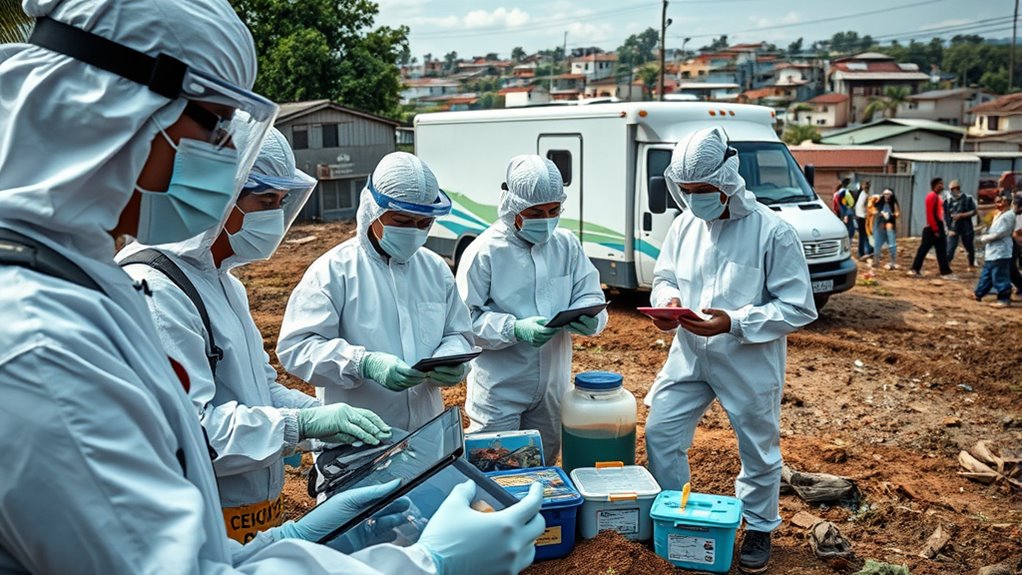
When unusual illnesses or hazards appear, health agencies investigate their sources, how they spread, and who may be affected. You benefit when epidemiologists quickly gather reports, interview patients, collect samples, and compare findings with local health data.
Their work can identify contaminated food, unsafe water, environmental exposures, or infectious diseases before more people face harm.
If you become ill or exposed, investigators may ask where you’ve been, whom you’ve met, and when symptoms began. This contact tracing helps locate people who might need testing, treatment, monitoring, or temporary separation.
Laboratory testing and field inspections help confirm causes and guide practical interventions.
You also support outbreak containment by following health orders, staying home when necessary, and cooperating with investigators. Agencies may remove hazards, improve sanitation, offer preventive treatment, or coordinate emergency services.
They document results and monitor conditions afterward, so they can detect renewed spread and strengthen future preparedness. Their evidence-based actions protect your household, workplace, and community.
Communicate Health Risks Clearly
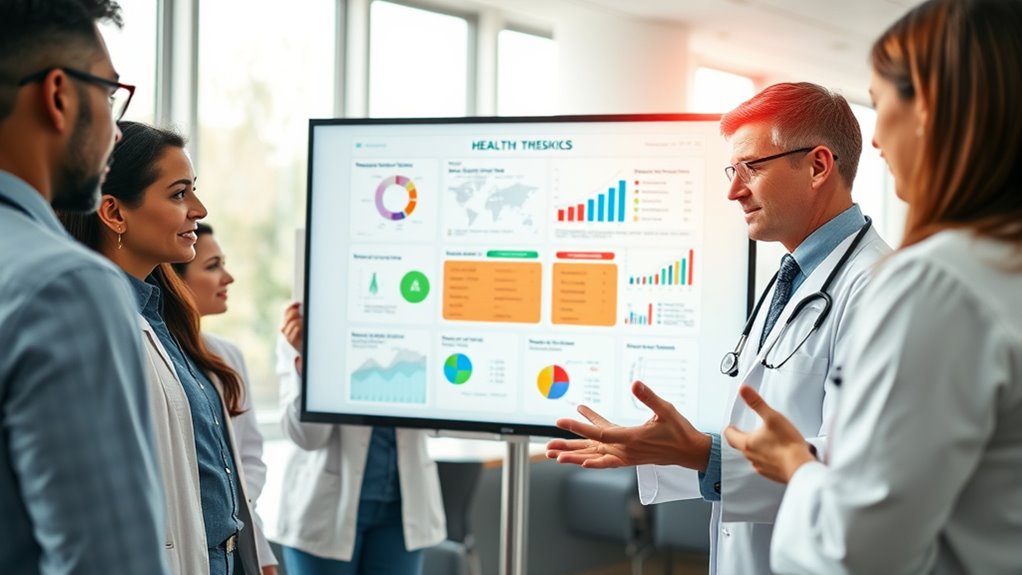
Clear health communication helps you understand what a hazard means, how likely it is to affect you, and what steps you can take. Public health professionals use risk communication to share timely, accurate information during outbreaks, environmental threats, and other emergencies.
You need facts you can trust, explained without confusing jargon or unnecessary alarm.
Look for messages that identify the hazard, describe who may face greater risk, and explain practical actions. Check the source, date, and evidence behind each claim.
If information changes, officials should explain what’s new, why guidance changed, and where you can find updates. You can protect yourself by following credible instructions, asking questions, and avoiding unverified rumors.
Good message clarity also means providing information in accessible languages, formats, and reading levels. Clear visuals, translations, captions, and plain-language summaries help more people understand warnings and make informed decisions.
When a message leaves you uncertain, seek clarification from a reliable public health source promptly.
Build Partnerships for Community Health
You’ll strengthen community partnerships by working with local organizations, residents, and health providers. By coordinating local health efforts, you can share resources, address community needs, and improve access to services. Together, you can help create healthier communities.
Strengthen Community Partnerships
Strong community partnerships connect public health services with the people and organizations best positioned to address local needs. You can strengthen these relationships through consistent communication, mutual respect, and shared responsibility.
Begin with community engagement: listen to residents, learn from local leaders, and invite feedback before making decisions. Recognize that each neighborhood has unique strengths, concerns, and cultural perspectives.
Effective partnership development also requires trust. Set clear expectations, honor commitments, and share information in accessible ways.
Include schools, nonprofits, faith communities, businesses, health care providers, and residents, ensuring everyone has a meaningful voice. Celebrate contributions and address conflicts openly.
When you value local knowledge, partners remain invested and help create practical, equitable solutions. Regularly assess relationships, welcome new participants, and adapt your approach as community priorities change over time.
Coordinate Local Health Efforts
Coordinate local health efforts by aligning public health agencies, community organizations, health care providers, and residents around shared priorities. You’ll strengthen trust, reduce duplicated services, and respond faster when partners share information and goals.
Begin with regular meetings, clear roles, and measurable objectives. Use Community engagement to learn what residents need, especially people facing transportation, language, or financial barriers. Then guide resource allocation toward programs with the greatest potential impact.
- Share data responsibly to identify emerging needs.
- Coordinate referrals so residents reach appropriate services.
- Track outcomes and adjust strategies together.
You can build a dependable local network by inviting schools, businesses, faith groups, and emergency responders into planning. Celebrate progress publicly, address disagreements respectfully, and keep communication accessible.
When you connect expertise and resources, your community becomes better prepared to prevent illness, manage crises, and improve health equitably. This collaboration also helps you sustain effective programs beyond short-term funding cycles.
Shape Policies That Improve Health
You can promote health equity by supporting policies that address disparities and expand access to care. Use reliable evidence to guide policy decisions, and share that information with decision-makers. Involving your community in shaping these policies can also lead to better health outcomes.
Advocate for Health Equity
How can you help shape policies that improve health for everyone? Advocate for health equity by ensuring every community has a meaningful voice in decisions affecting well-being.
Learn how income, housing, education, transportation, and environmental conditions influence the social determinants of health. Then, use what you hear and observe to encourage fair, practical changes.
- Listen to residents whose experiences reveal health disparities.
- Share local concerns with elected officials, agencies, and community leaders.
- Support policies that remove barriers to prevention, care, safety, and opportunity.
You can attend public meetings, join neighborhood groups, write representatives, and partner with organizations serving underserved populations.
Ask decision-makers to measure who benefits, who remains excluded, and how communities can participate. Respect cultural knowledge and communicate in accessible language.
Your consistent involvement can shift priorities toward dignity, inclusion, and healthier conditions for everyone, especially people facing persistent disadvantage and limited resources.
Support Evidence-Based Policies
When communities use reliable research and local experience to guide decisions, they can support policies that prevent illness, expand access to care, and improve living conditions for everyone.
You can strengthen evidence-based decision-making by reviewing trustworthy studies, surveillance data, health assessments, and program evaluations. Compare potential benefits, costs, and unintended effects before recommending action.
During policy development, translate complex findings into clear options that lawmakers and agency leaders can understand. You can also explain how proposed rules affect health risks, access to services, environmental conditions, and health equity.
Track results after implementation, measure progress with meaningful indicators, and recommend adjustments when evidence changes.
Engage Community Decision-Making
Strong community decisions begin with residents, health professionals, and local leaders working together to identify priorities and shape practical solutions. Through community engagement, you can share lived experiences, listen to differing perspectives, and help direct resources toward urgent needs.
Participatory decision making gives you a meaningful role beyond public comment. You can help define goals, evaluate evidence, and monitor results.
- Attend town halls, advisory boards, and neighborhood meetings.
- Ask for clear data, accessible materials, and transparent timelines.
- Encourage leaders to report how community input shaped policies.
When you participate, you help create health policies that reflect local realities, reduce inequities, and earn public trust. Invite people often excluded from civic processes, including youth, older adults, and residents with disabilities.
Your voice can strengthen prevention efforts and make healthier choices easier for everyone. Don’t wait for an invitation. Organize, ask questions, and collaborate.
Apply Public Health Laws Fairly
Fair application of public health laws means enforcing the same rules consistently while considering relevant differences in people’s circumstances. You deserve protection from arbitrary decisions, favoritism, and discrimination.
Officials should explain requirements clearly, use reliable evidence, and provide notice before penalties whenever possible. They must also protect due process, privacy, and dignity.
| Fair practice | What you should expect |
|---|---|
| Consistent enforcement | Similar situations receive similar treatment |
| Reasonable flexibility | Legitimate needs receive documented consideration |
Legal compliance isn’t enough if enforcement undermines trust. Agencies should meet ethical standards by weighing benefits, harms, equity, and the least restrictive effective option.
You can ask how officials reached a decision, request language or disability accommodations, and challenge improper enforcement through established procedures.
Transparent records and independent oversight help reveal unequal impacts and correct mistakes. When laws change, communicate the reasons, timeline, and responsibilities plainly.
Fair enforcement protects everyone while preserving credibility during emergencies and routine prevention efforts. It also requires regular review, so policies remain lawful, evidence-based, and responsive to changing risks without targeting particular communities.
Link People to Essential Health Services
You can connect people with essential care by guiding them to the right providers and resources. You can also help remove barriers like cost, transportation, language, and limited availability. This support helps more people access timely, appropriate health services.
Connecting People To Care
Connecting people to care means helping everyone reach the health services they need, when they need them. You can support this goal by sharing clear information, explaining available programs, and guiding people toward trusted clinics, providers, and follow-up services.
Strong health literacy helps you understand symptoms, appointments, medications, and care decisions. Service accessibility improves when organizations offer understandable instructions, convenient scheduling, language support, and coordinated referrals.
- Find reliable care information through local health departments or clinics.
- Ask providers to explain next steps in plain language.
- Keep contact details and appointment instructions where you can find them.
You don’t have to navigate care alone. Community health workers, navigators, and care coordinators can connect you with appropriate services and help you prepare for visits.
When you know where to turn and what to expect, you’re more likely to receive timely, continuous, and effective care. Public health agencies should regularly evaluate these connections to improve community outcomes.
Removing Access Barriers
Access to care improves when barriers such as cost, transportation, language, disability, and limited clinic hours are addressed. You can seek clinics that offer sliding-scale fees, transportation assistance, evening appointments, telehealth, and interpretation.
Ask providers about wheelchair access, sensory accommodations, and accessible online portals before you schedule a visit. Strong health literacy helps you understand symptoms, treatment choices, insurance benefits, and where to find reliable guidance.
If forms or instructions confuse you, request plain-language explanations and confirm your next steps. Community health workers, libraries, schools, and faith organizations can connect you with nearby services and enrollment support.
When you face financial or logistical challenges, tell your care team. They may identify programs that reduce costs or simplify referrals.
Improving service accessibility helps ensure you can receive timely, respectful, and appropriate care. Don’t let uncertainty keep you from asking for help.
Develop a Skilled Public Health Workforce
A skilled public health workforce helps communities prevent illness, respond to emergencies, and improve health outcomes. You rely on trained professionals to educate families, track health threats, connect people with services, and protect community well-being.
Effective agencies invest in workforce training that prepares you to handle changing needs, cultural differences, and public health crises.
- Learn from experienced mentors and community partners.
- Build communication, leadership, and technical skills.
- Practice emergency response through realistic exercises.
Ongoing skill development helps you serve people with confidence and compassion. You can strengthen your abilities through continuing education, certifications, workshops, and hands-on experience.
Employers should support fair access to training, provide modern tools, and create welcoming workplaces where every employee can contribute. Diverse teams often understand local concerns more clearly and build stronger relationships with residents.
When you participate in professional networks, you share knowledge and explore better ways to reach underserved groups. A capable workforce also includes community health workers, educators, laboratory staff, data specialists, and emergency responders.
Together, you can translate evidence into practical guidance and deliver dependable services when communities need them most.
Evaluate Programs and Improve Results
With a skilled workforce in place, you can evaluate programs to see whether they’re reaching people and improving health. Program evaluation helps you examine each initiative’s goals, activities, costs, and results.
Start by defining clear questions: Who does the program serve? What changes should participants experience? Which strategies work best?
Use reliable data from surveys, service records, interviews, and community feedback. Outcome measurement lets you track changes in health behaviors, access, quality of life, and other meaningful indicators.
Compare results with your starting point and, when possible, with similar groups that didn’t receive the intervention. This approach helps you identify progress, gaps, and unintended effects.
Share findings with staff, partners, funders, and community members in accessible formats. Invite their perspectives before you interpret results or make decisions.
Then apply what you’ve learned: strengthen effective activities, revise weak ones, redirect resources, and set new targets. Continuous improvement keeps your services responsive, equitable, and accountable.
Prepare Communities for Public Health Emergencies
Emergencies can disrupt essential services, threaten lives, and deepen existing inequities, so communities must prepare before a crisis occurs.
You can strengthen emergency readiness by identifying local hazards, mapping vulnerable residents, and practicing clear response plans.
Work with health departments, schools, hospitals, businesses, and community leaders so everyone understands their role.
- Build reliable alert systems in multiple languages and accessible formats.
- Stock essential medicines, water, food, protective equipment, and backup power.
- Train volunteers to support evacuation, sheltering, first aid, and outreach.
Update contact lists, test communication channels, and review lessons after every exercise or real event.
Effective crisis management depends on trusted relationships, accurate information, and coordinated decisions.
Include people with disabilities, older adults, limited transportation, and language barriers in planning, not as an afterthought.
Share practical guidance before danger arrives, including where to seek care, how to protect your household, and when to evacuate.
When you prepare together, you reduce confusion, speed recovery, protect lives, and help ensure every resident receives support during a public health emergency.
Frequently Asked Questions
What Is the Difference Between Public Health and Medical Care?
Public health protects entire communities, while medical care treats you as an individual. Public health uses surveillance, policy, education, community outreach, and disease prevention to reduce risks before illness spreads.
Medical care diagnoses your condition, manages symptoms, provides treatment, and supports your recovery. You’ll often receive medical care in clinics or hospitals, whereas public health affects everyone through clean water, vaccinations, health regulations, and emergency preparedness, whether you seek treatment or not.
Who Funds Essential Public Health Services?
You’ll find that essential public health services receive funding from several sources, including federal, state, and local governments, insurance programs, private foundations, and community organizations. Government grants often support disease surveillance, vaccination programs, emergency preparedness, health education, and environmental protection.
Funding sources may also include taxes, service fees, and nonprofit donations. Because budgets vary, you may see differences in available programs, staffing, and resources across communities and regions.
How Can Individuals Support Local Public Health Efforts?
You can support local public health efforts by joining a neighborhood vaccination drive, where you help residents schedule appointments, share accurate information, and welcome families at a community clinic. Through community engagement, you’ll strengthen trust and make health resources easier to access.
Discover volunteer opportunities with your health department, food bank, or emergency preparedness group. You can also attend public meetings, complete local surveys, donate supplies, and encourage friends to follow reliable health guidance.
What Careers Are Available in Public Health?
You can pursue public health careers in epidemiology, biostatistics, environmental health, health education, nursing, laboratory science, emergency preparedness, and administration. You might work for government agencies, hospitals, universities, nonprofits, or private organizations.
Community outreach roles help you connect residents with resources and prevention programs. Health policy careers let you research laws, evaluate programs, and recommend improvements.
Choose work that matches your interests, skills, and commitment to healthier communities.
How Is Personal Health Information Protected?
How is personal health information protected? You’re protected by laws, policies, and technologies that limit who can collect, use, and share your medical details.
Data privacy rules require organizations to obtain appropriate consent, secure electronic records, and disclose information only for legitimate purposes.
Confidentiality safeguards include encryption, strong passwords, staff training, access controls, and audits.
You can also review notices, ask questions, and report suspected breaches to your provider or regulators.
Conclusion
When you understand these 10 essential public health services, you can see how every community stays safer, healthier, and more prepared. Public health professionals track risks, prevent outbreaks, connect neighbors with care, and strengthen emergency response, but they cannot do it alone.
In the United States, public health prevents an estimated 3.7 million deaths each year through vaccination. Your support, participation, and trust help turn these 10 essential public health services into real protection for everyone, especially those most vulnerable.