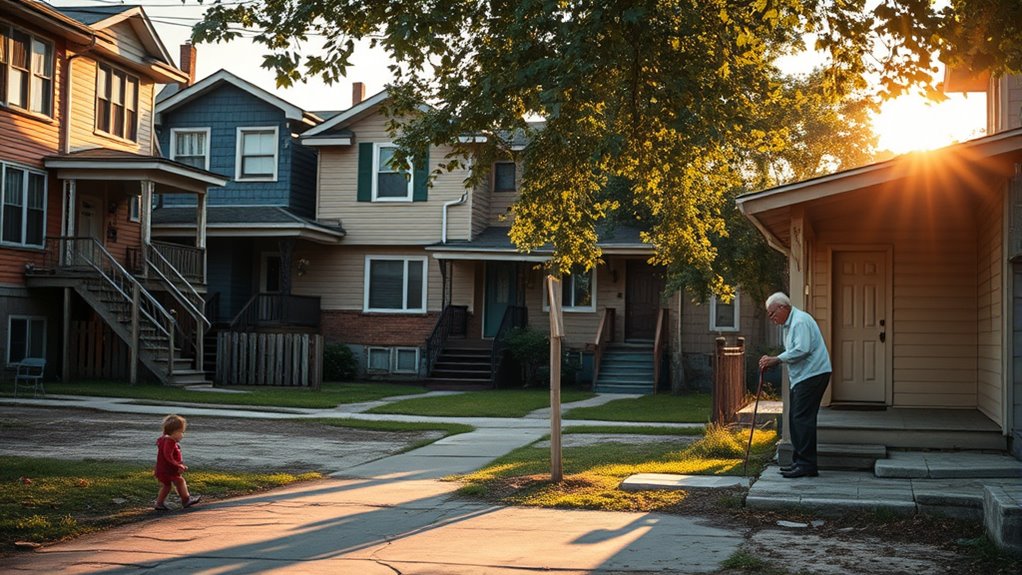
How Are Housing and Health Connected?
Many people struggle to create a home environment that supports their health, especially when dealing with high costs, poor ventilation, dampness, or overcrowding. You’re not alone—your housing conditions can affect your comfort, stress levels, sleep, and overall well-being.
In this guide, we’ll explore how housing and health are connected and highlight healthier housing choices that may help reduce everyday risks.
Your housing affects your health by shaping your exposure to hazards, stress, routines, privacy, and access to care. Safe, stable, affordable housing supports restful sleep, healthy relationships, mental well-being, and consistent healthcare.
Mold, dampness, poor ventilation, pests, extreme temperatures, and overcrowding can worsen respiratory conditions, spread infections, increase anxiety, and cause injuries. Housing costs may also limit food, transportation, and medical options.
You’ll find out how healthier housing conditions can reduce these risks and improve overall well-being.
Key Takeaways
- Stable, affordable housing supports physical and mental health by providing security, rest, privacy, and predictable routines.
- Poor housing conditions, including mold, dampness, pests, and inadequate ventilation, can worsen respiratory illnesses, allergies, and asthma.
- Reliable heating, cooling, insulation, and safe structures protect residents from extreme temperatures, injuries, and poor indoor air quality.
- Overcrowding increases stress, reduces privacy, facilitates infections, and creates safety hazards, especially for vulnerable populations.
- Healthy housing requires clean air and water, accessibility, pest control, neighborhood safety, and timely maintenance or repairs.
What Is the Link Between Housing and Health?

Where you live can directly affect your physical and mental health. Your home shapes your daily routines, comfort, privacy, and sense of stability.
When your housing meets your needs, you can rest, focus, maintain relationships, and manage stress more effectively. When it doesn’t, you may experience ongoing worry, financial strain, or disruption that affects your overall well-being.
Housing affordability plays a central role in this connection. If you spend too much of your income on housing, you’ll have fewer resources for food, healthcare, transportation, and recreation.
Stable costs give you greater control over essential decisions and support healthier routines.
Residential safety also influences how secure and comfortable you feel in your community. A dependable home and neighborhood can strengthen your confidence, social connection, and emotional resilience.
Housing thus functions as more than shelter: it provides a foundation for health, independence, and quality of life. Your housing circumstances can shape opportunities to thrive throughout life.
Which Housing Conditions Create Health Risks?

Mold and dampness can trigger allergies, worsen asthma, and harm your respiratory health. Poor ventilation can also trap moisture, pollutants, and airborne irritants inside your home.
Mold And Dampness
When moisture lingers in a home, mold can grow on walls, ceilings, carpets, and other materials, creating health risks for people with allergies, asthma, or weakened immune systems. You may notice coughing, wheezing, itchy eyes, skin irritation, or worsening asthma after exposure.
Leaks, flooding, condensation, and wet building materials can sustain mold growth, even when you can’t see it. Address water problems quickly by repairing plumbing, sealing roof leaks, drying soaked items, and removing materials that remain wet.
Effective Dampness mitigation limits the moisture mold needs to survive. For Mold prevention, clean small areas with appropriate products, protect yourself during cleanup, and keep children and sensitive household members away.
If mold covers a large area or keeps returning, contact a qualified professional to identify and correct the underlying moisture source.
Poor Ventilation Conditions
Poor ventilation can allow moisture, smoke, pollutants, and indoor irritants to build up, increasing the risk of headaches, breathing problems, allergies, and asthma symptoms.
When you can’t exchange stale indoor air with fresh outdoor air, carbon monoxide, dust, cleaning chemicals, and other indoor pollutants may remain concentrated.
Cooking, bathing, smoking, and burning fuel add moisture and particles, especially if fans or windows don’t remove them.
Check whether your ventilation systems work properly, and keep exhaust fans running during and after cooking or showering.
Don’t block air vents or ignore unusual odors, condensation, or persistent stuffiness.
You can also improve airflow by opening windows when outdoor conditions allow and replacing filters as recommended.
If symptoms continue, ask a healthcare professional and have your home assessed for ventilation problems.
How Do Mold and Dampness Affect Health?
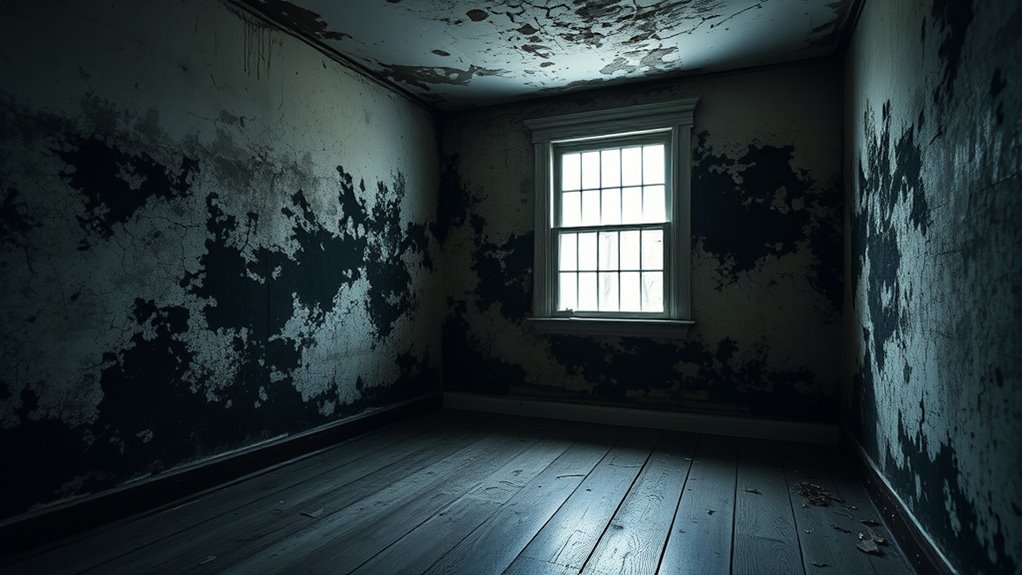
Damp areas can quickly become breeding grounds for mold, which may release spores and irritants into the air. When you breathe these particles, you may develop sneezing, coughing, wheezing, itchy eyes, or skin irritation.
If you have asthma or allergies, mold can trigger stronger symptoms and make daily activities harder. Persistent dampness can also attract Pest infestations, adding droppings, odors, and other Indoor allergens to your living space.
Watch for these warning signs:
- Musty smells that return after cleaning
- Dark, spreading spots on walls, ceilings, or fabrics
- Condensation, peeling paint, or water stains
You can reduce health risks by fixing leaks promptly, drying wet materials within 24–48 hours, and improving airflow through safe, practical measures.
Don’t disturb large moldy areas, since cleaning can spread spores. Instead, consider professional removal, especially if contamination covers a broad surface or affects porous materials.
Keep children, older adults, and people with respiratory conditions away from affected areas until remediation is complete. Regularly inspect bathrooms, kitchens, basements, and window frames for moisture.
Why Do Heating and Cooling Matter?
Proper heating and cooling can help protect you from temperature-related illness during extreme weather. They also support better indoor air quality by improving ventilation and reducing excess moisture.
Keeping your bedroom at a comfortable temperature can make it easier to sleep soundly and wake up feeling rested.
Reliable heating and cooling help protect you from temperature-related illnesses by keeping your body within a safe range during extreme weather. In winter, steady heat lowers your risk of hypothermia, frostbite, and dangerous blood-pressure changes.
During heat waves, effective cooling helps prevent heat exhaustion, dehydration, and heatstroke. Thermal insulation keeps indoor temperatures stable, while energy efficiency can reduce operating costs, making consistent comfort more affordable.
You can protect yourself by:
- Checking your heating and cooling systems before extreme seasons.
- Setting a safe temperature and avoiding sudden, drastic changes.
- Drinking water, dressing appropriately, and watching for warning signs.
If you feel confused, weak, dizzy, or unusually cold or hot, move to a safer temperature and seek medical help when needed.
You’ll protect children, older adults, and people with chronic conditions by maintaining a dependable indoor climate throughout the year.
Improves Indoor Air Quality
Heating and cooling systems affect the air you breathe by circulating, filtering, and controlling indoor humidity. When you maintain these systems, you can reduce dust, pollen, pet dander, and other airborne irritants throughout your home.
Replace filters as recommended, clean vents, and schedule professional inspections to keep equipment working efficiently. Proper humidity control also limits mold growth and helps prevent overly dry air, which can irritate your nose and throat.
You might add Indoor plants, but choose varieties that don’t trigger allergies and avoid overwatering their soil. For additional protection, consider air purification through a portable purifier or a built-in filtration system.
Keep windows and doors closed during high-pollution days, and address leaks or water damage promptly. Cleaner indoor air supports healthier breathing for you and your household.
Supports Restful Sleep
A comfortable bedroom temperature can help you fall asleep more easily and stay asleep longer. Heating and cooling systems help you maintain conditions that support your body’s natural sleep cycle.
If your room feels too hot, you may sweat, toss, and wake frequently. If it’s too cold, discomfort can keep you alert.
Adjust your thermostat, use breathable bedding, and seal drafts to create a steady bedroom environment. These choices strengthen your sleep hygiene and may help you feel more rested each morning.
- Set a consistent nighttime temperature that feels comfortable.
- Use a fan or gentle airflow to prevent stuffiness.
- Dress in light layers so you can adjust easily.
Regular maintenance also matters. Clean filters and reliable equipment keep temperatures stable and reduce disruptive noises.
When your home supports restful sleep, you may improve concentration, mood, and overall health.
How Does Overcrowding Affect Well-Being?
When too many people share a home, everyday life can become stressful and unhealthy. You may struggle to find quiet space, store belongings, or complete basic tasks comfortably.
Constant noise, interruptions, and limited privacy can raise Overcrowding stress, making it harder to relax, concentrate, or follow household routines.
Crowded rooms also allow germs to spread more easily, increasing the risk of colds, flu, and other infections. You might share beds, towels, or kitchen surfaces, which makes good hygiene harder to maintain.
Overcrowding can create hazards, too. Blocked exits, overloaded electrical outlets, and cluttered walkways can threaten Family safety, especially during emergencies.
Children may have less room to play safely, while older adults could face greater fall risks.
You can reduce these problems by keeping pathways clear, improving ventilation, setting shared schedules, and organizing belongings.
If possible, seek housing assistance or community resources that can help your household find safer, healthier space.
How Does Housing Affect Mental Health?
Housing affects more than physical safety. It can shape your mood, stress levels, and overall mental health. When your home feels stable, secure, and comfortable, you may sleep better and manage daily challenges more easily.
Poor conditions, unsafe surroundings, noise, or the threat of eviction can keep you on edge, increase anxiety, and contribute to depression.
Your environment also influences your sense of control and belonging. Natural light, privacy, and a reliable place to rest can support emotional balance.
A supportive environment can foster calm, connection, and a stronger sense of emotional well-being.
If housing costs consume your income, you might face constant financial stress. Seeking Affordable options can protect your budget and create greater stability.
Small changes and relationships can help you feel grounded:
- Make your living space calmer with light, order, and personal items.
- Connect with neighbors, friends, or Community support groups.
- Ask a trusted professional for help when stress feels overwhelming.
You deserve housing that supports your peace of mind. Notice how your surroundings affect you, identify practical improvements, and reach out before distress becomes unmanageable.
A stable home can strengthen resilience and daily confidence.
How Does Housing Shape Healthcare Access?
Where you live can determine how easily you reach doctors, pharmacies, and other essential health services. If clinics, hospitals, or pharmacies sit nearby, you can schedule appointments, collect prescriptions, and seek urgent care with less travel time. Reliable public transportation, walkable streets, and accessible roads also help you keep regular visits when you don’t drive.
Housing affordability influences these choices. When rent consumes most of your income, you may move farther from medical offices or delay care to cover other bills. Stable housing can make it easier to store medications, receive health-related mail, and maintain consistent contact with providers. Your home’s internet access also supports telehealth, appointment scheduling, and prescription refills.
Neighborhood safety matters, too. If you feel unsafe walking or waiting for transportation, you may avoid nearby services, especially after dark. A secure, well-connected neighborhood helps you reach care confidently and follow treatment plans. By considering location, transportation, cost, and safety, you can see how housing shapes everyday healthcare access.
Who Faces the Greatest Housing Health Risks?
People with low incomes, disabilities, chronic illnesses, or unstable housing often face the greatest housing-related health risks. If you’re struggling with Housing affordability, you may live in overcrowded, poorly maintained, or temporary spaces.
Leaks, mold, pests, extreme temperatures, and faulty wiring can worsen breathing problems, injuries, and stress.
You may face added risks if you have limited mobility, because stairs, narrow doorways, or inaccessible bathrooms can make everyday tasks dangerous.
Children, older adults, and pregnant people can also experience stronger effects from indoor pollutants and temperature extremes.
If you’re experiencing homelessness, frequent moves or outdoor exposure can disrupt sleep, medication routines, and personal safety.
Neighborhood safety matters, too. You may avoid exercise, school, work, or healthcare when violence, traffic, or harassment surrounds your home.
- You may face greater exposure to hazards when repairs are delayed.
- You may struggle to control indoor conditions without stable utilities.
- You may experience stress when housing feels unsafe or uncertain.
These risks can compound when discrimination limits your choices.
How Can Better Housing Close Health Gaps?
When you have a safe, stable, and affordable home, you’re better able to protect your health and manage daily needs. Housing stability can reduce stress, prevent disruptive moves, and help you keep medical appointments, medications, work, and school on track.
It can also connect you with nearby services that address needs before they become crises.
| Housing support | Health benefit | Your next step |
|---|---|---|
| Affordable options | Lower financial stress | Ask about vouchers |
| Community programs | Easier service access | Contact local groups |
Better housing closes health gaps when support reaches people facing the greatest barriers, including low wages, disability, discrimination, or rising rents.
You can seek rental assistance, legal protections, utility relief, and transportation support through housing agencies, clinics, and community organizations.
Policymakers can expand funding, preserve affordable homes, and coordinate health and housing services. These changes give you a fairer chance to stay healthy, regardless of your income or neighborhood.
Acting early helps prevent housing problems from worsening existing health differences.
What Features Define Healthy Housing?
Health gaps can narrow when your home supports safety, comfort, and stability. Healthy housing protects you from hazards while helping your body and mind recover. Look for these essential features:
- Clean air and water: Good ventilation, working plumbing, moisture control, and prompt mold removal reduce respiratory and infectious risks.
- Safe structure and systems: Secure windows, reliable heating and cooling, adequate lighting, smoke and carbon-monoxide alarms, and lead-free materials help prevent injury and illness.
- Stability and access: Affordable options, predictable costs, enough space, privacy, and proximity to food, transportation, schools, and healthcare support daily well-being.
You also benefit when your building remains clean, accessible, and free from pests. If you rent, you can document problems, request repairs in writing, and contact local housing agencies when hazards persist.
Community involvement strengthens healthy housing by encouraging residents to share concerns, support improvements, and shape neighborhood decisions. You can ask landlords, officials, and health providers about assistance programs, inspections, and modifications.
A healthy home isn’t perfect. It consistently gives you protection, control, and a dependable foundation for health.
Frequently Asked Questions
What Housing Policies Help Make Safe Homes Affordable?
You can make safe homes affordable through housing affordability policies that expand rental assistance, build and preserve public and nonprofit housing, and offer first-time buyer support.
You’ll improve policy effectiveness by pairing these programs with strong building codes, lead-removal grants, energy-efficiency upgrades, and protections against unsafe evictions.
Inclusionary zoning can require affordable units in new developments.
You should also fund community land trusts and enforce fair-housing laws to protect residents from discrimination and displacement.
How Can Renters Report Unsafe Housing Conditions?
How can you report unsafe housing conditions? Start by documenting problems with dated photos, written descriptions, and copies of repair requests. Notify your landlord in writing, keeping proof of delivery.
If the landlord doesn’t respond, contact your local housing or code-enforcement agency and request Safety inspections. Review Tenant rights through a legal-aid group or tenant union before withholding rent or breaking your lease.
Report urgent hazards immediately to emergency services.
What Financial Assistance Is Available for Home Repairs?
You can find financial grants and repair programs through your city or county housing department, state housing agency, or local nonprofit organizations. Ask about assistance for urgent repairs, accessibility upgrades, weatherization, lead removal, and energy improvements.
You may qualify based on income, age, disability, veteran status, or property location. Contact your utility company about rebates, and check HUD-approved housing counselors for reliable applications and guidance.
Never pay upfront fees to unknown providers.
Your neighborhood can shape your health through environmental hazards and social determinants. You may face poorer air quality, traffic pollution, contaminated soil, excessive noise, or limited access to parks and fresh food.
If your area lacks reliable transportation, healthcare, safe streets, or well-funded schools, daily stress can rise and healthy choices can become harder. Conversely, well-resourced neighborhoods often support cleaner surroundings, stronger social connections, and better opportunities for prevention, recovery, and long-term well-being.
What Role Do Building Codes Play in Protecting Residents’ Health?
Building codes protect your health by requiring safe construction, maintenance, and essential systems. They promote indoor air quality through ventilation, moisture control, and limits on harmful materials, reducing asthma triggers, mold, and toxic exposure.
They also safeguard structural integrity by setting standards for foundations, roofs, electrical systems, plumbing, and fire resistance. When you live in code-compliant housing, you’re less likely to face preventable injuries, illnesses, or dangerous conditions.
Conclusion
When you understand the connection between housing and health, you can see why a safe home matters so much. Dry rooms, reliable heating and cooling, enough space, and nearby healthcare help protect your body and mind.
If poor housing puts your well-being at risk, don’t let the problem fall through the cracks. Seek support and speak up. By improving homes and expanding access, communities can build healthier lives and narrow persistent health gaps for everyone. Understanding how housing and health are connected is key to creating healthier communities.