
How to Eat Drink and Stay Healthy
Many people want to eat, drink, and stay healthy but struggle to find practical choices that fit busy schedules, changing energy levels, and everyday cravings. You’re not alone—simple, reliable products can make healthy habits feel easier and more enjoyable.
To eat, drink, and stay healthy, build meals around colorful vegetables, fruits, whole grains, protein, fiber, and healthy fats. Choose mostly whole or minimally processed foods, and prepare simple meals that fit your schedule.
Drink water regularly, increasing your intake in heat or during exercise. Notice hunger and fullness cues, enjoy treats mindfully, and avoid guilt or restriction.
Start with small, sustainable habits that support your energy and well-being. Keep exploring for practical ways to make these choices easier.
Key Takeaways
- Eat balanced meals with colorful vegetables, fruits, whole grains, protein, fiber, and healthy fats.
- Choose mostly minimally processed foods, while using frozen, canned, and meal-prepped options for convenience.
- Drink water regularly, increasing intake during exercise, hot weather, illness, or heavy sweating.
- Listen to hunger and fullness cues, eat mindfully, and enjoy treats in moderation without guilt.
- Plan healthier restaurant choices by selecting grilled foods, vegetables, smaller portions, and unsweetened beverages.
Build Balanced Healthy Meals
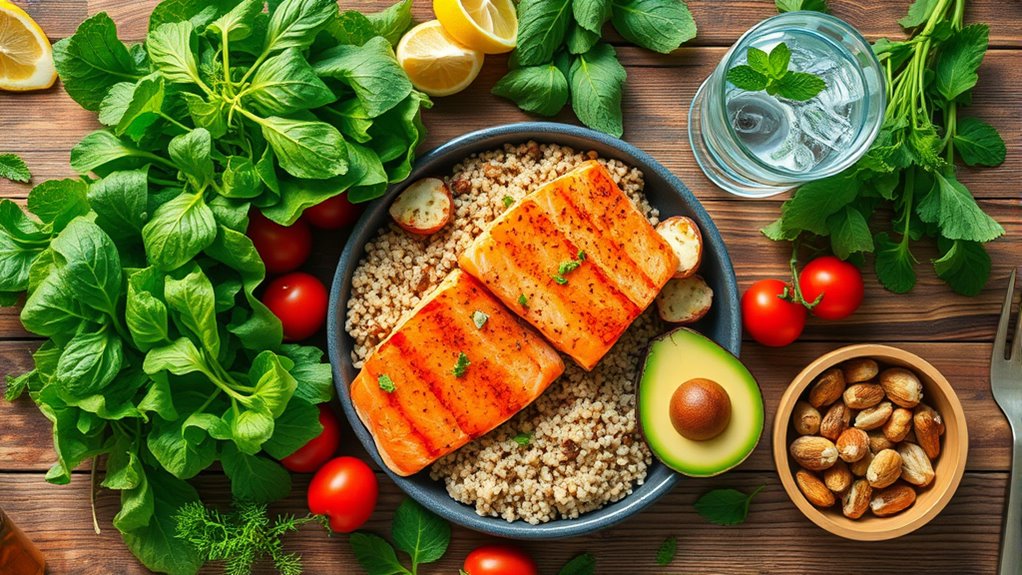
Build balanced meals by including a variety of nutrient-dense foods. Choose colorful vegetables and fruits to supply essential vitamins, minerals, and antioxidants. Add whole grains, such as brown rice, oats, or quinoa, to create satisfying, steady meals. Rotate ingredients throughout the week so your plate stays interesting and your diet remains diverse.
Use meal prep to simplify healthy choices when your schedule gets busy. Wash produce, cook grains, and portion ingredients in advance, then combine them in different ways. For flavor, season food with herbs, spices, citrus juice, vinegar, garlic, or ginger instead of relying on excess salt or sugary sauces. Try roasting, steaming, grilling, or sautéing to develop varied textures and tastes.
Pay attention to color, freshness, and portion balance as you plan each dish. You don’t need complicated recipes or perfect plates. You need practical combinations you’ll enjoy and repeat. Keep wholesome staples visible and convenient, and make gradual changes that fit your routines and preferences.
Add Protein, Fiber, and Healthy Fats
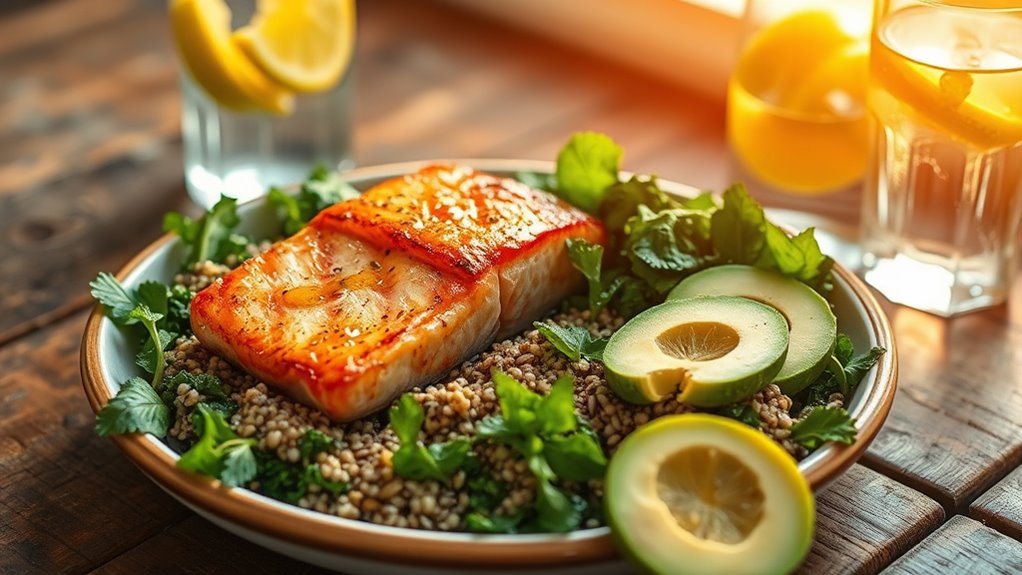
Round out each meal with protein, fiber, and healthy fats to support fullness, steady energy, and overall health. Add a palm-sized serving of protein, such as eggs, fish, poultry, tofu, beans, or yogurt. This protein pairing helps you stay satisfied and supports muscle maintenance.
Then include fiber-rich choices that offer variety, including vegetables, fruit, legumes, nuts, seeds, and whole grains. Aim for fiber variety because different sources provide different nutrients and support digestive health in distinct ways.
Healthy fats add flavor and help your body absorb fat-soluble vitamins. Try avocado, olive oil, tahini, nuts, seeds, or fatty fish. You don’t need large portions. A spoonful of seeds, a small handful of nuts, or a drizzle of oil can be enough.
Build meals by combining these three elements rather than relying on any single one. If hunger returns quickly, increase protein or fiber slightly. If meals feel heavy, reduce added fats while keeping satisfying protein and fiber in place.
Choose Whole Foods on Most Days

Choose foods close to their natural form on most days, such as vegetables, fruit, beans, whole grains, eggs, fish, and unsweetened dairy. These choices usually provide more nutrients and less added sugar, sodium, and unnecessary additives than heavily processed alternatives.
Build meals around whole foods most days for more nutrients, less added sugar, and fewer unnecessary additives.
You don’t need perfection; simply make whole foods the foundation of most meals.
During supermarket shopping, start in the produce section, then visit the perimeter for fresh proteins and dairy. Read ingredient lists when you choose packaged items, and favor products with recognizable ingredients, minimal added sugar, and little processing.
Frozen vegetables, canned beans, and plain oats can save time while still supporting your goals.
Use meal prep planning to wash produce, cook grains, portion beans, or prepare eggs ahead of time. Keep convenient whole-food options visible and ready, so you’re less likely to rely on highly processed snacks.
Build meals around what you have, vary your choices, and enjoy treats occasionally without letting them replace nourishing staples.
Drink Enough Water for Your Needs
Drink water regularly throughout the day, using thirst, activity, weather, and urine color as practical guides. If your urine looks pale yellow, you’re generally drinking enough; darker urine may signal that you need more fluids.
Increase your intake when you exercise, sweat, spend time outdoors in heat, or experience vomiting or diarrhea. Sip consistently instead of waiting until you feel intensely thirsty.
Hydration importance extends beyond quenching thirst. Water helps regulate body temperature, lubricate joints, support digestion, and transport nutrients.
These Water benefits can improve your comfort, focus, and physical performance. Keep a reusable bottle nearby, and drink with meals or snacks if that helps you remember.
You don’t need to force excessive amounts, which can be harmful. Plain water works well, but unsweetened sparkling water, milk, and water-rich foods can also contribute to your fluid needs.
If you have kidney, heart, or liver disease, ask your healthcare professional how much you should drink.
Plan Healthy Meals Around Your Routine
Planning meals around your routine makes healthy eating easier to sustain. Look at your week before choosing recipes. Match simple breakfasts to busy mornings, packable lunches to workdays, and balanced dinners to evenings when you have more time.
Keep quick options available for unexpected schedule changes, such as yogurt, fruit, eggs, or frozen vegetables.
Use meal prep to reduce daily decisions. Wash produce, cook grains, portion proteins, and prepare snacks when your schedule allows. You don’t need to prepare every meal. Even 30 minutes can help you stay consistent.
Build a short list of reliable recipes, then rotate ingredients to prevent boredom and limit waste.
During grocery shopping, follow your plan and organize your list by store section. Choose a mix of vegetables, fruits, whole grains, beans, lean proteins, and healthy fats.
Check what you already have before buying more. Leave room for flexibility, but keep nourishing staples ready so your routine supports your goals.
Schedule planning and preparation like any other important appointment.
Make Healthier Choices When Eating Out
Eating out doesn’t have to derail your healthy routine. Before you arrive, check the menu and identify meals that include vegetables, lean protein, whole grains, or beans. You’ll make a better choice when hunger doesn’t control your decision.
Plan ahead by reviewing the menu and choosing meals with vegetables, lean protein, whole grains, or beans before hunger takes over.
During social dining, focus on conversation and choose water or another unsweetened drink. Ask how dishes are prepared, and request grilled, steamed, or baked options instead of fried ones.
Use menu customization to swap fries for vegetables, choose dressing on the side, or request sauces separately. You can also order a smaller portion, share an entrée, or pack half to take home before you start eating.
Eat slowly and notice when you feel comfortably satisfied. Build your plate around nutrient-dense ingredients, and choose simple preparations when possible.
If the menu offers limited choices, combine a side salad, vegetable, and protein-based appetizer for a balanced meal. Planning these small steps helps you enjoy restaurants while supporting your everyday health goals.
Enjoy Treats Without Restricting Yourself
You can enjoy treats without feeling guilty. Just eat them mindfully and take the time to savor each bite.
Try balancing indulgent foods with nutritious meals and reasonable portions. That way, you can support your health without feeling restricted.
Practice Mindful Indulgence
Mindful indulgence means enjoying treats without guilt or rigid restrictions. You can include a favorite dessert, snack, or drink while staying present and connected to your choices.
Before eating, pause and notice your hunger, mood, and expectations. Choose something you genuinely want instead of reaching automatically for whatever’s available.
During mindful snacking, slow down and focus on texture, aroma, and taste. Practice savoring flavors by taking small bites and allowing each one to register.
Put distractions aside when possible, so you can recognize satisfaction as it develops. You don’t need to label foods “good” or “bad,” punish yourself afterward, or follow an all-or-nothing mindset.
Treats can bring pleasure, comfort, and celebration. When you give yourself permission to enjoy them, eating becomes calmer, more intentional, and less driven by cravings or guilt.
Balance Treats Wisely
Balance treats wisely by making room for them without turning them into forbidden foods. You can enjoy dessert, chips, or a favorite drink while still supporting your health.
A Guilt free indulgence feels more satisfying when you choose it intentionally, savor each bite, and stop when you’re comfortably satisfied.
Try Moderation strategies such as serving a small portion, eating slowly, or pairing a treat with nourishing foods. You might plan dessert after dinner, share a pastry, or keep favorite snacks available in reasonable amounts.
Avoid compensating by skipping meals or overexercising; those habits can intensify cravings and create an unhealthy cycle. Instead, return to your usual eating pattern at the next meal.
When you remove guilt and rigid rules, treats become enjoyable parts of a balanced lifestyle rather than sources of stress.
Follow Hunger and Fullness Signals
Pay attention to hunger cues, like an empty stomach or low energy, so you know when it’s time to eat. As you eat, notice when you feel comfortably full, and stop before you become uncomfortable. By listening to both signals, you can support your body without relying on rigid rules.
Recognize Hunger Cues
Notice how your body signals hunger and fullness, then let those cues guide when and how much you eat. Recognizing hunger starts with noticing physical signs, such as stomach growling, low energy, difficulty concentrating, or mild irritability.
Pause and ask whether you’re truly hungry or responding to emotional triggers, boredom, stress, or habit. A quick check can help: when did you last eat, and would a balanced snack or meal sound appealing?
Keep regular foods available so you can respond before extreme hunger makes choices harder. Use portion control by serving a reasonable amount, eating without distractions, and checking your hunger level as you go.
Keep a brief note of situations, sensations, and meals to identify patterns. Over time, you’ll distinguish genuine hunger from cravings and make more intentional choices.
Honor Fullness Signals
When you begin to feel satisfied, slow down and check whether you’re still hungry before taking another bite. Pause, breathe, and notice your stomach’s comfort level.
With mindful eating, you can recognize fullness before discomfort sets in. Put your fork down between bites, chew thoroughly, and give your body time to respond.
Ask yourself whether the food still tastes enjoyable or whether you’re eating from habit. Emotional awareness helps you distinguish physical hunger from stress, boredom, or the desire to clean your plate.
You don’t need to finish everything served. Save leftovers for later if you feel satisfied.
Honor your signals without judgment, and stop eating when you feel comfortably full. Over time, this practice can improve digestion, support balanced portions, and help you trust your body’s natural cues.
Adapt Healthy Eating to Your Needs
Healthy eating doesn’t look the same for everyone, so adapt it to your preferences, budget, culture, schedule, and health needs.
Start with Personal preferences: choose nutritious foods you genuinely enjoy, then investigate practical ways to prepare them. If you dislike a vegetable, try it roasted, blended into soup, or replaced with another option that supplies similar nutrients.
Respect Cultural considerations by keeping familiar flavors, ingredients, and traditions on your plate. You don’t need to abandon favorite dishes; balance them with vegetables, whole grains, beans, or lean proteins, and adjust portions when appropriate.
Work within your budget by selecting seasonal produce, frozen foods, canned beans, and affordable staples such as oats, rice, and eggs.
Your schedule matters, too. Pack simple meals, keep nourishing snacks available, or use quick cooking methods when time is limited.
If allergies, medical conditions, or dietary restrictions affect your choices, consult a qualified health professional for personalized guidance. Let your needs direct your choices without judging yourself.
Make Healthy Habits Last
Make healthy habits easier to sustain by starting small and building routines that fit your life. Choose one manageable action, such as drinking water with lunch, adding vegetables to dinner, or walking for ten minutes.
Repeat it at a consistent time until it feels automatic, then gradually add another goal.
Effective habit formation depends on reducing friction. Keep healthy foods visible, prepare meals ahead, and place walking shoes near the door.
Use reminders, habit tracking, or support from a friend to stay accountable. When you miss a day, don’t treat it as failure; simply resume at the next opportunity.
Behavior change becomes more durable when you connect habits to meaningful benefits, including steadier energy, better sleep, or improved mood.
Review your progress weekly and adjust unrealistic expectations. Celebrate consistency rather than perfection, because small, repeated choices shape your health over time.
As your routine evolves, protect it during busy periods by planning simpler versions of each habit. Keep adapting, and your efforts can become a natural part of daily life.
Frequently Asked Questions
How Does Sleep Affect Healthy Eating and Drinking Habits?
Sleep affects your healthy eating and drinking habits by shaping hunger, cravings, and decision-making. When you get poor sleep, you may crave sugary, salty foods and reach for extra caffeine or alcohol for quick energy.
Consistent, high-quality rest helps regulate appetite hormones, improve self-control, and support better hydration choices. Prioritize sleep quality because its restorative benefits make it easier to plan balanced meals, notice thirst, and maintain healthy routines throughout your day.
What Role Does Regular Exercise Play in Overall Health?
Regular exercise is the engine that keeps your body and mind moving forward. Through physical activity, you strengthen your heart, muscles, bones, balance, and immune system while managing weight and reducing disease risk.
Exercise also boosts mental wellness by easing stress, lifting your mood, sharpening focus, and improving sleep. You don’t need perfection: choose enjoyable movement, build consistency gradually, and let each session invest in your energy, confidence, and longevity.
How Can I Safely Manage Food Allergies or Intolerances?
You can manage food allergies or intolerances by identifying triggers with a qualified healthcare professional, reading every label, and asking about ingredients when eating away from home. Build Hidden allergen awareness by learning alternate names and watching for shared equipment.
Discuss Cross reactivity concerns, especially between related foods, with an allergist. Carry prescribed emergency medication, follow your action plan, and seek urgent help for breathing trouble, swelling, dizziness, or widespread hives.
When Should I Consult a Doctor or Registered Dietitian?
You should consult a doctor or registered dietitian whenever symptoms persist, worsen, or interfere with eating. Food allergies affect about 8% of children and 10% of adults.
Seek urgent medical care for breathing trouble, throat swelling, faintness, or widespread hives. Request medical guidance after suspected reactions, unexplained weight changes, or nutritional deficiencies.
A professional can provide a dietary assessment, identify triggers safely, and design balanced alternatives without unnecessary restrictions.
Are Supplements Necessary if I Eat a Balanced Diet?
You don’t usually need Dietary supplements if you eat a varied, balanced diet that supplies enough vitamins, minerals, protein, and fiber. However, certain situations may increase your needs, including pregnancy, vegan diets, restricted eating, diagnosed deficiencies, or medical conditions affecting Nutrient absorption.
Ask your doctor or registered dietitian before starting supplements, especially if you take medications. Don’t assume “natural” products are automatically safe, effective, or necessary for you.
Conclusion
Healthy eating doesn’t require perfection. It requires choices you can repeat. Build meals around protein, fiber, healthy fats, and mostly whole foods. Drink water, plan realistically, and leave room for treats.
Pay attention to hunger, fullness, culture, budget, and health needs so your approach fits your life. Even small changes matter: research suggests people who eat about 30 different plant foods weekly support greater gut-microbe diversity.
Start with one practical habit today, then let consistency, not restriction, shape your health over time. This is the foundation of how to eat, drink, and stay healthy.