
What’s the Difference Between Physical and Medical Exams?
Many people aren’t sure which type of appointment they need, especially when they’re trying to stay healthy or address a new concern. You’re not alone—understanding the difference between a physical and medical exam can make it easier to prepare and choose the right care.
A physical exam checks your overall health, establishes a wellness baseline, and screens for potential risks.
A medical exam addresses specific symptoms, injuries, diagnoses, or ongoing conditions and may require targeted tests, such as blood work or imaging.
During either visit, you’ll discuss your history, medications, and concerns while your provider checks essential signs and body systems.
Prepare your questions and records so you can receive personalized guidance and understand the next steps more clearly.
Key Takeaways
- Physical exams are routine wellness checks, while medical exams address specific symptoms, concerns, diagnoses, or treatment needs.
- Physicals establish health baselines and monitor overall wellness, whereas medical exams investigate problems and guide treatment plans.
- Both may include vital signs, medical history, and head-to-toe examinations.
- Medical exams are more likely to involve targeted tests, such as blood work, imaging, electrocardiograms, or urine analysis.
- Physicals are commonly required for preventive care, school, work, sports, or travel; medical exams are usually prompted by health concerns.
Physical Exam vs. Medical Exam: Key Differences

A physical exam focuses on your body’s current condition, while a medical exam takes a broader look at your overall health, medical history, and potential health risks.
During a physical exam, your clinician generally evaluates immediate findings and addresses specific concerns you’ve noticed. The visit may support routine monitoring, work requirements, sports participation, or an existing treatment plan.
A physical exam addresses immediate concerns, routine monitoring, work requirements, sports participation, or ongoing treatment plans.
A medical exam typically provides a more extensive assessment. Your clinician may review family history, medications, lifestyle factors, previous diagnoses, and future health risks.
This broader approach can help guide screening decisions, referrals, and long-term health planning.
Your purpose for visiting often determines which exam you need. Check your Health insurance benefits before scheduling, because coverage and copayments can differ.
Preventative care may cover certain medical visits or screenings, while a problem-focused physical exam could involve separate costs.
Ask your clinician or insurer what the appointment includes, what documentation you’ll need, and whether follow-up care is recommended.
What Is a Physical Exam?
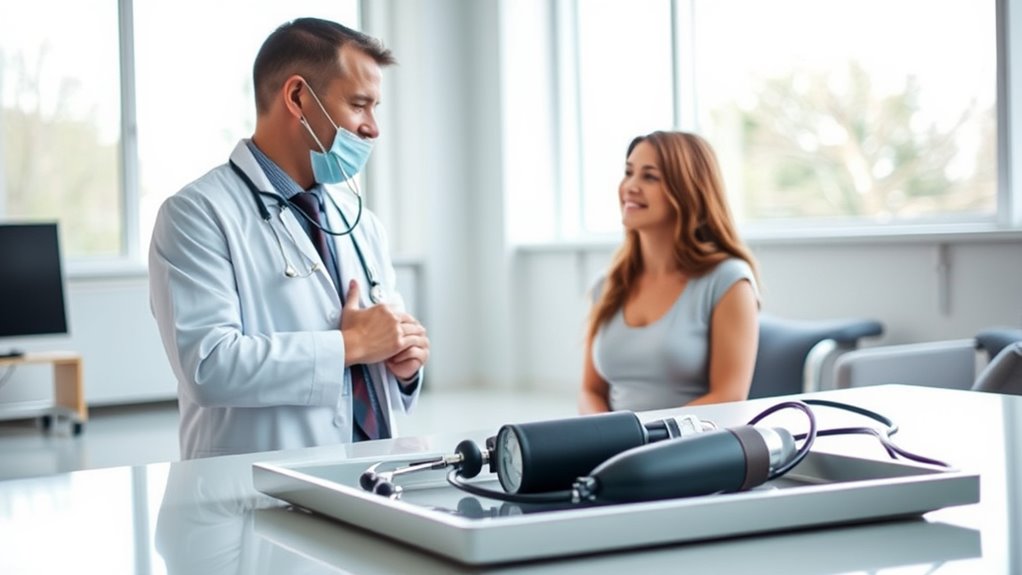
A physical exam is a routine check of your overall health. During the exam, your provider checks your vital signs, evaluates different body systems, and looks for common risk factors that could point to potential health concerns.
You may need a physical exam as part of preventive care, for work or school, to participate in sports, or before a medical procedure.
Purpose of Physical Exams
When you schedule a physical exam, your healthcare provider assesses your overall health, checks for signs of illness, and identifies potential risks before they become serious problems.
The visit gives you a clear picture of your current well-being and helps you make informed decisions about your health.
You can discuss lifestyle habits, family history, concerns, and goals with your provider, creating a personalized plan for staying well.
A physical exam also supports preventive care by helping you address risks early, maintain healthy routines, and keep recommended screenings up to date.
If you’re preparing for work, school, sports, or travel, the exam may confirm that you’re ready to participate safely.
Regular visits can also strengthen communication with your healthcare team and encourage you to take an active role in protecting your physical fitness.
What Physicals Evaluate
During a physical exam, your healthcare provider evaluates your overall health through a range of routine checks. You’ll typically have your height, weight, blood pressure, pulse, and temperature measured.
Your provider may examine your eyes, ears, nose, throat, skin, heart, lungs, abdomen, and reflexes. They’ll also review your medical history, medications, allergies, lifestyle habits, and family health background.
Depending on your age, sex, and risk factors, your visit may include health screenings, such as cholesterol, blood sugar, or vision checks. Your provider might recommend vaccines or other preventive care to support your long-term well-being.
You can ask questions and mention changes you’ve noticed, even if they seem minor. These findings help your provider understand your current health and identify areas that may need attention or monitoring.
When Physicals Are Needed
Regular physical exams help you and your healthcare provider monitor your health, even when you feel well. Schedule these visits based on your age, medical history, risk factors, and provider’s recommendations.
You may need a physical before starting school, joining a sports team, beginning a demanding job, or participating in certain activities. Your provider can review fitness routines, check for injuries, and suggest safer ways to exercise.
Nutritional assessments may identify dietary gaps and support healthy changes. You should also book an exam when you’ve missed routine care, noticed new symptoms, or experienced significant changes in weight, energy, or stress.
If you manage a chronic condition, regular physicals help track treatment and prevent complications. Ask your healthcare provider how often you need one, since your needs can change over time.
What Is a Medical Exam?

A medical exam evaluates your overall health, symptoms, and risk factors to help diagnose conditions or guide treatment. During the visit, you’ll answer questions about your health history, medications, lifestyle, and current concerns.
Your clinician may check essential signs, examine your body, and order tests when needed. This process supports holistic health by considering how different factors affect you. Preventive care can also identify risks before they become serious.
| Exam element | What you may experience |
|---|---|
| Health history | Discuss conditions, treatments, and family risks |
| Symptoms | Describe when concerns began and changed |
| Essential signs | Have your blood pressure, pulse, and temperature checked |
| Physical assessment | Receive an examination related to your concerns |
Your clinician reviews the findings with you and documents relevant information in your medical record. You can improve accuracy by bringing medication details, test results, and questions.
Tell your clinician about changes, even if they seem minor. Honest answers help create a clearer picture of your health and support appropriate clinical decisions.
How Exam Goals Differ
Physical exams focus on evaluating your body’s structure and function, while medical exams address broader health concerns, symptoms, and treatment needs. Your goal during a physical exam is often preventive: you check overall wellness, identify potential risks, and establish a baseline for future comparisons.
This type of evaluation may support routine screening, employment requirements, sports participation, or insurance documentation.
A medical exam typically responds to a specific concern. You may seek answers for ongoing pain, unusual symptoms, a new diagnosis, or changes in an existing condition.
Your clinician uses the visit to investigate causes, assess severity, and guide treatment or follow-up care. The focus can shift as your health needs change.
Understanding these goals helps you approach exam preparation appropriately. For preventive care, gather your health history and questions about wellness.
For a medical concern, track symptoms and relevant changes. Your patient responsibilities include sharing accurate information, describing concerns clearly, and following recommended next steps.
What Happens During a Physical Exam?
During a physical exam, your clinician reviews your health history, checks essential signs, and evaluates how your body functions. You’ll typically discuss medications, allergies, lifestyle habits, and concerns before the hands-on assessment begins.
Your clinician may measure your height, weight, blood pressure, pulse, temperature, and breathing.
| Exam step | What you’ll experience | Why it matters |
|---|---|---|
| Health review | Answer questions | Identifies risks |
| Vital signs | Get measurements | Tracks baseline health |
| Head-to-toe check | Allow observation | Finds physical changes |
| Discussion | Share concerns | Supports prevention |
Next, your clinician may examine your skin, eyes, ears, nose, throat, heart, lungs, abdomen, joints, and reflexes.
You can ask questions and mention symptoms honestly. This wellness check helps establish a baseline and guide healthy choices.
Tell your clinician about alternative health practices, supplements, or remedies you use. They can affect your care.
Your clinician may recommend routine screenings or follow-up based on your age, history, and findings.
What Happens During a Medical Exam?
During a medical exam, you’ll talk with your provider about your medical history, symptoms, medications, and any health concerns. Your provider may also order diagnostic tests, such as blood work or imaging, to better understand your condition. Together, these findings help your provider make an accurate diagnosis and develop the right treatment plan.
Medical History Review
A medical history review gives your healthcare provider a clearer picture of your current health, past conditions, medications, allergies, surgeries, and family history. You’ll discuss your symptoms, concerns, lifestyle habits, and family medical history, including conditions affecting close relatives.
Share accurate details, even if they seem unrelated or embarrassing. Your provider may ask about smoking, alcohol use, diet, exercise, sleep, stress, and reproductive health.
Bring an updated medication list, including supplements and over-the-counter products.
| Topic | What to share | Why it matters |
|---|---|---|
| Medications | Names, doses, supplements | Prevents harmful interactions |
| Allergies | Reactions and triggers | Guides safer care |
| Family history | Relatives’ conditions | Identifies inherited risks |
You should mention recent hospital visits, vaccinations, and ongoing treatments. Ask questions if you’re unsure. Your answers help your provider personalize recommendations and plan appropriate next steps.
Diagnostic Tests and Evaluation
After reviewing your medical history, your provider may perform a physical assessment and order diagnostic tests based on your symptoms, age, and health risks. These tests can include blood work, urine analysis, imaging scans, electrocardiograms, or biopsies.
Your provider may explain each test’s purpose, preparation requirements, possible risks, and expected results. You’ll have an opportunity to ask questions and share concerns before proceeding.
Depending on your situation, alternative diagnostic methods, such as genetic testing, minimally invasive procedures, or continuous monitoring, may offer additional information. Technological advancements have improved testing speed, accuracy, and convenience, including at-home testing and digital health tools.
After reviewing your results, your provider will evaluate your condition, discuss potential diagnoses, and recommend treatment, follow-up testing, or referral to a specialist.
Which Tests Do Exams Include?
Which tests do exams include? Your exam’s tests depend on your age, health history, symptoms, and clinician’s concerns. A routine physical may include blood pressure, pulse, temperature, weight, vision, and hearing checks. Your clinician might also examine your heart, lungs, abdomen, skin, reflexes, and joints.
| Test or check | What it can reveal |
|---|---|
| Blood pressure and pulse | Heart and circulation concerns |
| Blood or urine testing | Glucose, cholesterol, infection, or organ changes |
If you report symptoms, your clinician may order targeted tests, such as an electrocardiogram, imaging study, or throat culture.
These tests can feel stressful, but they often replace uncertainty with useful answers. Ask what each test measures, whether you need preparation, and when you’ll receive results.
Health insurance may cover routine preventive care, though coverage and copays vary. Check your plan before laboratory work or imaging so unexpected bills don’t add anxiety.
Your clinician should explain abnormal findings and recommend appropriate follow-up.
When Should You Get a Physical Exam?
When should you get a physical exam? Schedule one when you want to review your overall health, update preventive care, or establish a baseline with your primary care clinician. Many adults benefit from a yearly visit, while others may need exams less often based on age, health history, and clinician recommendations. Ask your clinician how frequently you should return.
You should also arrange an exam when you haven’t had a checkup in several years, changed doctors, or need to update routine screenings, vaccinations, or lifestyle guidance. Your clinician can help you understand which services fit your age and risk factors.
Check your Health insurance plan before booking. Coverage, copays, and recommended visit schedules vary, so confirm what your policy includes.
If you’re generally healthy, an exam can still help you maintain good habits and identify risks early. Bring a medication list, family history, and questions to make the appointment more useful.
When Might You Need a Medical Exam?
You might need a medical exam if you develop new symptoms that need to be diagnosed. Your healthcare provider can also monitor ongoing conditions and adjust your treatment as needed. If you experience a workplace injury, an exam can help determine how serious it is and guide your recovery.
Diagnosing New Symptoms
New or unexplained symptoms may signal a condition that requires more than a routine physical exam. If you’ve developed persistent pain, unusual fatigue, dizziness, breathing problems, or sudden changes in your body, schedule a medical exam.
A clinician will ask about your symptoms, review your history, and perform targeted tests to identify possible causes. Depending on your concerns, evaluation may include blood work, imaging, allergy testing, or other Alternative diagnostic methods.
Seek prompt care for severe pain, chest pressure, confusion, weakness, heavy bleeding, or trouble breathing. Don’t wait if symptoms worsen or interfere with daily activities.
Your clinician can explain results, recommend treatment, and discuss Symptom management strategies while determining whether you need specialist care. Preparing a symptom timeline and medication list can make your visit more productive.
Monitoring Chronic Conditions
Managing a chronic condition often requires a medical exam to track changes, assess treatment effectiveness, and prevent complications. During visits, your clinician may review symptoms, check essential signs, order tests, and adjust medications.
You’ll also discuss lifestyle habits, sleep, stress, and exercise. A nutritional assessment may identify changes that could support your health.
Regular monitoring can help you:
- Catch warning signs before they become emergencies.
- Feel reassured when your treatment is working.
- Protect your independence and daily routines.
- Make informed decisions with your care team.
Don’t wait until you feel worse to schedule care. Conditions such as diabetes, asthma, heart disease, and arthritis can change gradually, even when you feel well.
Keep appointments, bring an updated medication list, and share new symptoms honestly. Consistent exams give you a clearer path forward.
Assessing Workplace Injuries
Workplace injuries often need a medical exam, even when they seem minor at first. If you hurt yourself lifting, falling, operating equipment, or repeating a task, report the incident and seek prompt evaluation.
A medical exam can identify fractures, sprains, concussions, nerve damage, or conditions that symptoms may initially hide. You’ll also receive documented findings, treatment recommendations, and guidance about work restrictions or returning safely.
Don’t ignore worsening pain, swelling, numbness, dizziness, breathing problems, or limited movement. Your employer may require specific reporting and evaluation procedures, so follow them carefully.
Medical care supports workplace safety by preventing a small injury from becoming a lasting problem. It also strengthens injury prevention efforts by revealing hazards, unsafe practices, and changes your workplace may need.
Prompt action protects your health and rights.
How Should You Prepare for Either Exam?
Preparing for either exam starts with knowing what your provider needs to assess. Check whether you’re attending a routine physical, addressing symptoms, or documenting a workplace injury.
Gather your medications, allergies, medical records, and questions. Be ready to discuss lifestyle habits, including sleep, nutrition, exercise, alcohol use, and smoking.
Depending on your age and risks, your provider may recommend preventive screenings.
- Write down concerns. Note symptoms, when they began, and what makes them better or worse.
- Bring essentials. Carry identification, insurance information, medication bottles, and relevant workplace paperwork.
- Dress comfortably. Wear clothing that allows easy access to the area your provider may examine.
- Answer honestly. Accurate details help your provider identify risks, choose appropriate tests, and create a safer plan.
Don’t skip meals or medications unless your office gives specific instructions. Ask whether you need fasting or other preparation.
Arrive early, breathe deeply, and keep in mind that your openness helps protect your health and supports accurate care.
Frequently Asked Questions
Can Children and Teenagers Receive Both Types of Exams?
Yes, you can receive both physical and medical exams during childhood or adolescence, depending on your health needs. A physical exam typically checks growth, essential signs, fitness, and overall development.
A medical exam evaluates symptoms, diagnoses conditions, or manages ongoing treatment. Regular visits support Child health and Teen wellness, while specialized exams may address sports participation, vaccinations, school requirements, or concerns you or your parent notices.
Ask your healthcare professional which exams you need.
Does Insurance Typically Cover Physical and Medical Exams?
Insurance coverage for physical and medical exams depends on your plan, purpose, provider, and location. You’ll often receive preventive physicals at no cost when you use an in-network clinician, but limits may apply.
Medical exams for symptoms, diagnoses, sports participation, school, or employment can involve copays, deductibles, or coinsurance. Before scheduling, check your benefits, confirm network status, and ask about exam costs, laboratory fees, forms, and follow-up services.
How Long Does Each Examination Usually Take?
Time is money, so you’ll want to plan ahead. A routine physical examination usually takes about 20–30 minutes, though your appointment may reach 45 minutes if your doctor reviews medications, discusses concerns, or orders tests.
A medical examination varies more widely. Expect 30–60 minutes for a focused evaluation, while complex conditions may require longer.
Ask the office about the expected examination duration when you schedule your visit, especially if paperwork or testing is involved.
Can Telehealth Services Replace Either Type of Exam?
Telehealth services can replace some, but not all, parts of either examination. Through virtual consultations, you can discuss symptoms, review medical history, receive counseling, and sometimes complete routine follow-ups.
However, you’ll still need an in-person visit for hands-on assessments, essential signs, laboratory tests, imaging, vaccinations, or procedures. Exam comparisons show that physical exams generally require direct examination, while medical evaluations may allow more remote care, depending on your condition and clinician’s judgment.
What Should You Do if You Feel Anxious During an Examination?
About one in three adults feels anxious before medical care, so you’re not alone. Tell your clinician how you feel before the examination begins; they can explain each step, pause, or adjust the approach.
Use relaxation techniques, such as slow breathing, grounding, or relaxing your muscles. Preparation strategies can also help: write down questions, bring support, and arrive early.
If anxiety feels overwhelming, ask about counseling or other appropriate options.
Conclusion
Knowing the difference between a physical exam and a medical exam helps you choose the right care. Think of a physical exam as your car’s routine oil change: you schedule it to monitor your health and catch problems early.
A medical exam is more like visiting a mechanic after the warning light appears. It investigates a specific symptom, condition, job, or legal requirement.
Keep up with regular physical exams, and seek medical exams when circumstances demand them. Preparing your questions and records will help you get the most from either visit.