
How to Use Leading Health Indicators
Many people want to improve their health but struggle to know which signals actually matter. You’re not alone—daily changes in energy, sleep, stress, and recovery can make it hard to see the bigger picture. The best leading health indicators can help you track meaningful patterns without becoming overwhelmed.
Use leading health indicators by choosing a few daily signals tied to your goals, such as sleep, morning energy, resting heart rate, activity, nutrition, stress, and recovery. Track them consistently with a notes app or simple checklist, then establish personal baselines over several readings.
Set realistic targets and review trends weekly rather than reacting to one unusual day. Make one practical adjustment at a time, and consult a healthcare professional about persistent or concerning changes. The steps below show how to apply this approach.
Key Takeaways
- Choose a few measurable indicators, such as sleep consistency, vegetable intake, activity minutes, hydration, or stress levels.
- Connect each indicator to a specific health goal and use it to guide daily decisions.
- Establish personal baselines by recording measurements consistently under similar conditions.
- Review weekly trends rather than reacting to isolated daily changes or unusual results.
- Set realistic targets, adjust routines based on progress, and discuss persistent concerns with healthcare professionals.
Choose the Health Signals to Track

Choose signals that reveal how your body is functioning before problems become obvious. Start with sleep duration, sleep consistency, morning energy, resting heart rate, digestion, hydration, and daily movement. These measures give you practical clues without requiring expensive testing or complicated equipment.
Track your diet diversity by noting how many different vegetables, fruits, legumes, whole grains, nuts, seeds, and protein sources you eat each week. Variety can highlight nutritional gaps more effectively than focusing on a single food or nutrient. You can also record appetite, cravings, and how comfortably you digest meals.
Include supplement timing if you use vitamins, minerals, or other products. Note when you take each one and whether you experience benefits or unwanted effects.
Keep your system simple: choose a few signals you can monitor consistently, use the same method each time, and review your notes weekly. Consistent observations will help you notice meaningful changes early and provide useful information for future conversations with a qualified professional.
Match Indicators to Your Health Goals

Start by defining your health goals—whether you want to sleep better, build strength, or reduce stress. Then, choose leading indicators that show how you’re progressing toward each goal. This way, you can focus on meaningful signals instead of collecting data that doesn’t help you.
Define Your Health Goals
Begin by defining one or two health goals that matter most to you, such as improving cardiovascular fitness, managing blood pressure, or getting better sleep. Choose outcomes that feel meaningful and realistic for your current circumstances.
Clear goals give your daily choices direction and help you focus on progress rather than perfection.
Make each goal specific enough to guide your decisions. Instead of saying you want to “be healthier,” describe what better health means to you, such as having more energy during workdays or feeling rested each morning.
Consider why each goal matters and how it could improve your quality of life.
Then connect your goals with practical strategies. Nutrition planning may support steady energy or blood pressure management, while consistent Exercise routines may build strength and stamina.
Keep your priorities visible, review them regularly, and adjust them as your needs change.
Select Relevant Leading Indicators
Once you’ve defined your health goals, select leading indicators that show whether your daily actions are moving you toward them. Choose measures you can influence regularly, rather than waiting for distant results.
If you want better heart health, track servings of vegetables, minutes of activity, and sleep consistency. For prevention, schedule medical screenings and monitor whether you complete recommended appointments.
| Health goal | Relevant leading indicators |
|---|---|
| Manage weight | Diet planning, meal preparation, activity minutes |
| Prevent illness | Medical screenings, vaccination appointments, symptom notes |
Keep each indicator specific, measurable, and connected to one goal. Use a calendar, app, or notebook to record progress without creating extra stress.
Review your measures weekly and adjust them when they stop guiding decisions. Don’t track everything; select the few behaviors that most directly support your priorities.
These signals help you act early and build sustainable habits.
Establish Your Personal Baselines
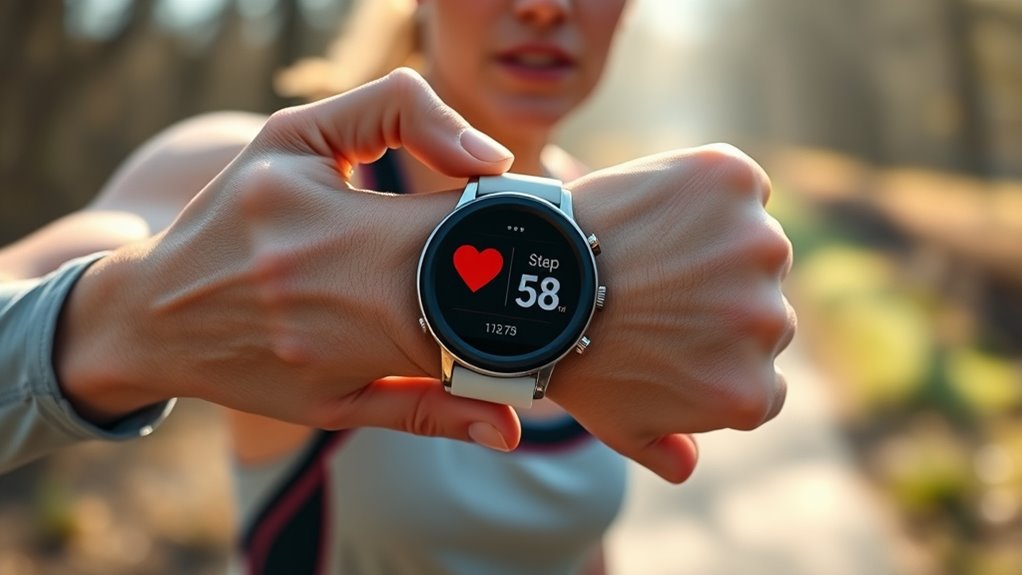
Before you can recognize meaningful changes, you need to know what “normal” looks like for you. Establishing a personal baseline gives you a reliable reference point for interpreting future measurements and noticing early warning signs.
Start by choosing indicators that reflect your goals, medical history, and current concerns. Record each measure under consistent conditions, then repeat it several times to account for ordinary variation.
Choose meaningful indicators, measure them consistently, and repeat readings to distinguish lasting patterns from ordinary day-to-day variation.
Don’t treat one unusual result as your standard. Instead, look for a stable range that represents your usual state.
A baseline assessment may include resting measurements, symptom frequency, mood patterns, or other markers your clinician recommends. Note relevant context, such as recent illness, medication changes, or unusual stress, because these factors can affect results.
Review your records with a healthcare professional when possible. They can help you identify appropriate ranges, explain meaningful deviations, and determine when follow-up makes sense.
Update your baseline after major health changes, rather than assuming your old reference still applies.
Track Sleep, Activity, and Nutrition
Track sleep, activity, and nutrition consistently to see how everyday habits affect your health indicators. Use a wearable, notebook, or app to record patterns, then compare them with your personal baselines. Focus on trends rather than isolated readings.
- Note bedtime, wake time, awakenings, and total sleep.
- Record steps, workouts, sedentary periods, and recovery days.
- Log meals, water intake, portions, and protein or fiber sources.
- Review nutrition timing around work, exercise, and bedtime.
- Improve sleep hygiene by keeping a regular schedule, limiting late screens, and creating a dark, cool room.
Choose one tracking method you’ll use daily, and keep entries simple enough to sustain. After one or two weeks, look for relationships. Shorter sleep may coincide with lower activity, while inconsistent meals may affect energy during exercise.
Test one adjustment at a time, such as moving caffeine earlier or adding a balanced breakfast. Recheck your indicators after several days, and refine your routine based on measurable results rather than assumptions.
Consistent records turn ordinary habits into actionable health information.
Track Stress, Mood, and Recovery
Track your daily stress to spot patterns and recognize potential triggers. Pay attention to changes in your mood, too, so you can connect them with your habits, events, or health concerns. Also, assess how well you’re recovering by noticing how refreshed and ready you feel each day.
Monitor Daily Stress
When you monitor daily stress, mood, and recovery, you can spot patterns early and adjust your habits before strain affects your health. Use a simple scale from one to ten, noting workload, sleep quality, physical tension, and energy.
Record observations at consistent times so comparisons remain useful. Don’t judge the numbers; look for triggers and recovery needs.
- Rate stress before work and after major demands.
- Note sleep duration and interruptions.
- Record muscle tension, headaches, or rapid breathing.
- Identify helpful Mindfulness practices, such as focused attention.
- Try breathing exercises when stress rises, then reassess.
Review your notes weekly to recognize recurring pressure points. If stress stays elevated despite reasonable adjustments, discuss your observations with a healthcare professional.
Protect recovery by scheduling brief pauses, movement, nourishing meals, and a consistent bedtime. Small, measured changes can improve resilience over time.
Track Mood Changes
Notice how your mood shifts throughout the day, especially after poor sleep, stressful demands, or meaningful social contact. Record these changes briefly in a journal or phone app.
Note your emotion, intensity, situation, and response without judging yourself. Over time, you’ll recognize patterns that affect mood stability and identify circumstances that consistently lift or lower your outlook.
Use a simple scale, such as one to five, and add a few words describing irritability, calmness, sadness, or motivation. Check your notes weekly to compare experiences and spot recurring triggers.
This practice strengthens emotional awareness and helps you respond intentionally rather than react automatically. When you notice persistent sadness, anxiety, or sudden mood changes, discuss them with a qualified health professional.
Keep tracking consistently, but don’t let the process become another source of pressure.
Measure Recovery Quality
Your mood notes become more useful when you pair them with signs of recovery, such as stress levels, sleep quality, energy, and emotional steadiness. Track these measures consistently so you can judge recovery quality, not just daily feelings. Use a simple scale and record context, including training, workload, nutrition, and illness.
- Stress: rate tension and physical strain.
- Sleep: note duration, interruptions, and refreshment.
- Energy: assess your capacity across the day.
- Mood: record calmness, motivation, and irritability.
- Readiness: decide whether to maintain, reduce, or increase demands.
Review your entries weekly to spot patterns. If stress rises while sleep and energy fall, reduce intensity and prioritize rest. If your measures improve, gradually resume normal demands.
This process supports health improvement by helping you adjust early, before fatigue becomes a setback. Share persistent concerns with a qualified clinician.
Add Preventive Care to Your Plan
Build preventive care into your health plan by scheduling screenings, vaccinations, and routine checkups based on your age, health history, and risk factors. Preventive screenings can detect conditions before symptoms appear, giving you more opportunities to address concerns early.
Ask your healthcare professional which tests you need, how often you need them, and whether family history changes that guidance.
Review immunization schedules with your clinician or local health department. Keep recommended vaccines current, including seasonal shots and those associated with travel, work, age, or medical conditions.
Store your records in a secure app, patient portal, or paper file so you can quickly confirm what you’ve received.
During routine visits, discuss medications, dental care, vision checks, mental health, and lifestyle factors that affect your well-being. Before each appointment, update your health history and prepare questions.
Use calendar reminders to arrange care, but follow professional advice when timing or eligibility changes. This approach helps you stay informed and supports early action.
Set Realistic Targets for Each Indicator
Once preventive care is on your calendar, set realistic targets for each health indicator you track. Effective goal setting starts with your current baseline, not an ideal outcome.
Review recent patterns, then choose a modest improvement you can sustain. For example, you might aim to add one serving of vegetables daily, walk three times weekly, or sleep 30 minutes longer.
Use target planning to connect each indicator with a clear timeframe and review point. Your targets should challenge you without creating frustration or encouraging extreme changes.
Adjust them when illness, travel, stress, or other circumstances affect your routine.
- Define the behavior you’ll measure.
- Record your current average.
- Choose a specific, attainable target.
- Set a date for reviewing progress.
- Revise the target when evidence supports a change.
Focus on consistency rather than perfection. Celebrate progress toward the behavior, even when results take time.
If an indicator remains unchanged, reassess your target, identify barriers, and select one practical adjustment.
This approach keeps your preventive plan realistic, flexible, and useful.
Choose Simple Tools for Tracking
Choose simple tracking methods, like brief check-ins or shared spreadsheets, to monitor each indicator. Make sure your team can update these tools consistently. A user-friendly data dashboard can also help you spot trends and respond quickly.
Easy Tracking Methods
Simple tools make it easier to track leading health indicators consistently. Choose one convenient method for each behavior, then record information immediately while it’s fresh. Consistency matters more than detail.
Try these practical approaches:
- Use a notes app for quick daily entries.
- Set calendar reminders for routines you often miss.
- Create a checklist for habits you want to repeat.
- Use a weekly journal to review patterns and obstacles.
- Share selected updates with a trusted accountability partner.
For diet tracking, jot down meals, snacks, and brief observations about energy or hunger. For hydration monitoring, record each drink with simple checkmarks instead of estimating perfectly.
Keep your system visible and easy to access, whether you prefer paper or digital notes. Review entries at the same time each week, and adjust your routine when tracking feels inconvenient.
Small changes help you maintain momentum without creating unnecessary work.
Simple Measurement Tools
You don’t need sophisticated equipment to measure leading health indicators effectively. Choose tools you’ll use consistently, such as a notebook, measuring tape, bathroom scale, or timer.
For a basic nutritional assessment, record meals, water intake, and fruit and vegetable servings. To monitor physical fitness, count daily steps, time a brisk walk, or track push-ups.
Use the same method and schedule so changes mean something.
| Tool | What it reveals |
|---|---|
| Notebook | Eating patterns |
| Measuring tape | Waist changes |
| Scale | Weight trends |
| Timer | Walking endurance |
Keep measurements private, simple, and encouraging. A small improvement can renew your confidence, while an unexpected result can prompt a helpful conversation with a healthcare professional.
Don’t chase perfect numbers; look for steady progress. Your dependable routine matters more than expensive gear or complicated calculations.
Accessible Data Dashboards
Your notebook or phone can become a simple data dashboard for tracking leading health indicators. Choose a tool you’ll open regularly, such as a notes app, spreadsheet, or habit tracker.
Record one measure per row and update it on a consistent schedule. Keep your display readable with short labels, clear dates, and simple trends.
- Sleep hours and bedtime consistency
- Daily steps or active minutes
- Fruit and vegetable servings
- Stress rating from one to five
- Preventive-care appointments completed
Use User customization to select targets, colors, reminders, and review periods that fit your routine. Protect Data privacy by using device locks, reputable apps, and minimal identifying details.
Review your dashboard weekly, notice changes, and choose one practical adjustment. Don’t chase perfect numbers; use accessible information to support informed conversations with healthcare professionals and steadily improve your health habits.
Review Your Health Trends Weekly
Review your health trends once a week to spot meaningful changes before they become problems. Set a consistent time, open your dashboard, and examine recent readings alongside your personal goals. Look for patterns in sleep, resting heart rate, mood, weight, blood pressure, and other indicators you track.
Compare this week’s results with previous weeks rather than judging one unusual measurement. A single late night or missed workout doesn’t define your progress, but repeated shifts may reveal a developing habit.
Note possible influences, such as travel, stress, illness, or schedule changes, so you can interpret the data fairly.
Use your review to evaluate Diet planning and Exercise routines objectively. Ask whether your current patterns support steady energy, recovery, and overall wellness.
Record brief observations in a journal or dashboard note, including what improved and what changed. Regular reviews help you recognize trends early, understand your baseline, and maintain informed awareness of your health without overreacting to daily fluctuations.
Act on Your Personal Health Trends
Once a consistent pattern emerges, use it to make one practical change to your routine. Choose an adjustment that addresses the clearest signal, such as an earlier bedtime after several low-energy mornings. Keep the change specific, measurable, and realistic so you can evaluate its effect.
- Pair your action with an existing cue, such as brushing your teeth.
- Start with one change instead of overhauling your schedule.
- Record the indicator and your response for two weeks.
- Celebrate progress, not perfection, to strengthen personal motivation.
- Revise the plan if results remain unchanged.
Linking a cue with a manageable response supports habit formation. For example, if your resting heart rate rises after stressful days, schedule a ten-minute walk or breathing break before dinner.
Review your data weekly, but avoid reacting to normal daily variation. Look for sustained movement across several readings.
If a trend worsens, disrupts daily life, or concerns you, discuss it with a qualified health professional. Your indicators guide decisions, but they don’t diagnose conditions.
With consistent action, small adjustments can become reliable safeguards for your long-term health.
Frequently Asked Questions
How Can I Protect My Health Data While Using Tracking Apps?
Protect your health data by reviewing an app’s privacy policy before signing up. Limit app permissions to features you genuinely need, such as activity access instead of contacts or location.
Choose strong, unique passwords, enable multifactor authentication, and update apps regularly. Don’t connect unnecessary third-party services, and avoid sharing sensitive information publicly.
Check account settings often, delete old data, and remove apps you no longer use. You’ll strengthen data privacy by choosing reputable providers.
When Should I Consult a Healthcare Professional About Unusual Indicator Changes?
Consult a healthcare professional immediately if unusual indicator changes appear alongside severe symptoms, such as chest pain, trouble breathing, fainting, confusion, or sudden weakness. These signs can feel like your body’s loudest alarm.
Contact your clinician soon for persistent or worsening changes, major deviations from your baseline, or an early warning that concerns you, even without symptoms.
Discuss device accuracy and trends, and seek urgent care when symptom severity escalates.
Can Wearable Devices Accurately Measure Every Health Indicator?
No, wearable devices can’t accurately measure every health indicator. They estimate metrics such as heart rate, sleep, activity, and sometimes oxygen levels, but results vary with movement, skin contact, software, and individual differences.
Data accuracy improves when you follow instructions, keep sensors clean, and check device calibration regularly. Treat readings as helpful trends, not diagnoses.
If results look unusual, persistently change, or concern you, confirm them with a healthcare professional using validated tests.
How Do Medications Affect the Health Indicators I Track?
Medications can change the health indicators you track, including heart rate, blood pressure, blood glucose, sleep, weight, and mood. Some drugs directly alter readings, while others cause side effects that affect your results.
Medication interactions may amplify or reduce these effects, so don’t adjust treatment based on device data alone. For better tracking accuracy, record medication names, doses, and timing, then share patterns with your healthcare professional before making decisions.
What Should I Do if Tracking Health Data Increases My Anxiety?
If tracking health data increases your anxiety, pause or stop for now. You don’t need a crystal ball to stay healthy.
Notice whether frequent checking, alarming trends, or unclear targets trigger worry. Try mindfulness techniques, such as slow breathing, grounding, or briefly observing thoughts without judgment.
Practice anxiety management by limiting checks, turning off alerts, and reviewing data with your clinician. If anxiety persists, seek professional support and focus on meaningful symptoms, not numbers alone.
Conclusion
When you use leading health indicators, you can spot small changes before they become major problems. For example, research suggests that adults who sleep fewer than seven hours regularly face a higher risk of several chronic conditions.
That doesn’t mean one short night determines your health, but your weekly pattern matters. Review your trends, adjust one habit at a time, and share concerning changes with a healthcare professional.
Consistent awareness turns everyday data into meaningful prevention and progress. By using leading health indicators, you can make informed choices and support your long-term health.