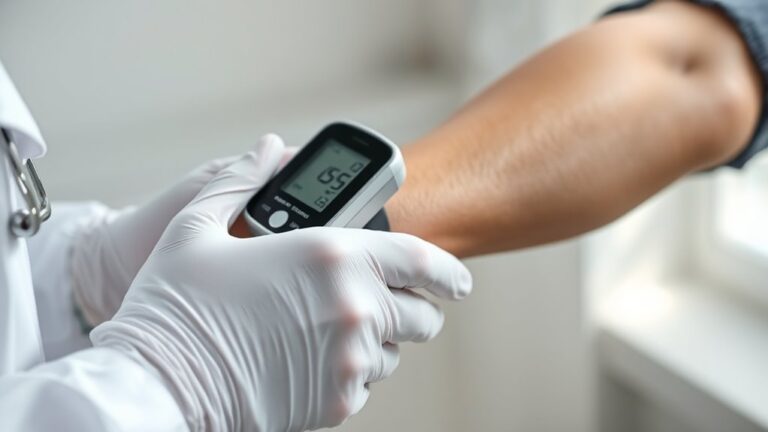
What Is Public Health Assurance?
Many communities struggle to ensure people can access safe, affordable, and equitable care when they need it. You’re not alone—turning public health data into reliable services can be challenging, especially when gaps affect different populations.
Public health assurance makes sure you can access effective, affordable, and equitable health services when you need them. It turns community health findings into action by monitoring service quality, supporting qualified providers, enforcing safety standards, and addressing gaps in care.
Agencies track indicators such as vaccination rates, inspections, emergency response times, and access across different populations.
Strong assurance builds trust, improves preparedness, and reduces disparities.
Continue exploring to see how communities measure and strengthen public health assurance.
Key Takeaways
- Public health assurance ensures essential health services are available, accessible, effective, affordable, and responsive to community needs.
- It translates health standards and assessment findings into actions that protect communities and improve population health.
- Assurance monitors service quality, evaluates programs, enforces regulations, and verifies that providers meet required standards.
- It identifies and addresses gaps in staffing, resources, emergency readiness, and access, especially among underserved populations.
- Accountability relies on performance indicators, inspections, reporting, audits, community feedback, and continuous improvement.
What Is Public Health Assurance?

Public health assurance is the responsibility to make sure essential health services are available, effective, and accessible to everyone. When you consider this role, you’re looking at how public agencies, health professionals, and communities translate standards into dependable action.
Public health assurance turns shared standards into dependable, accessible services that protect every community.
Assurance includes monitoring service quality, evaluating programs, enforcing regulations, supporting competent personnel, and correcting gaps in delivery. You also examine whether clinics follow evidence-based practices and whether residents can obtain needed care without unreasonable barriers.
Historical context shows that governments developed assurance functions as sanitation systems, vaccination programs, and professional licensing expanded. These efforts created shared expectations for safety, accountability, and performance.
Today, assurance relies on inspections, reporting systems, accreditation, workforce requirements, and continuous improvement.
The policy implications are practical: leaders must define measurable standards, assign oversight responsibilities, fund evaluation, and establish remedies when services fall short.
You can view assurance as the mechanism that checks whether public health commitments become reliable, verifiable services for every population.
Why Does Public Health Assurance Matter?
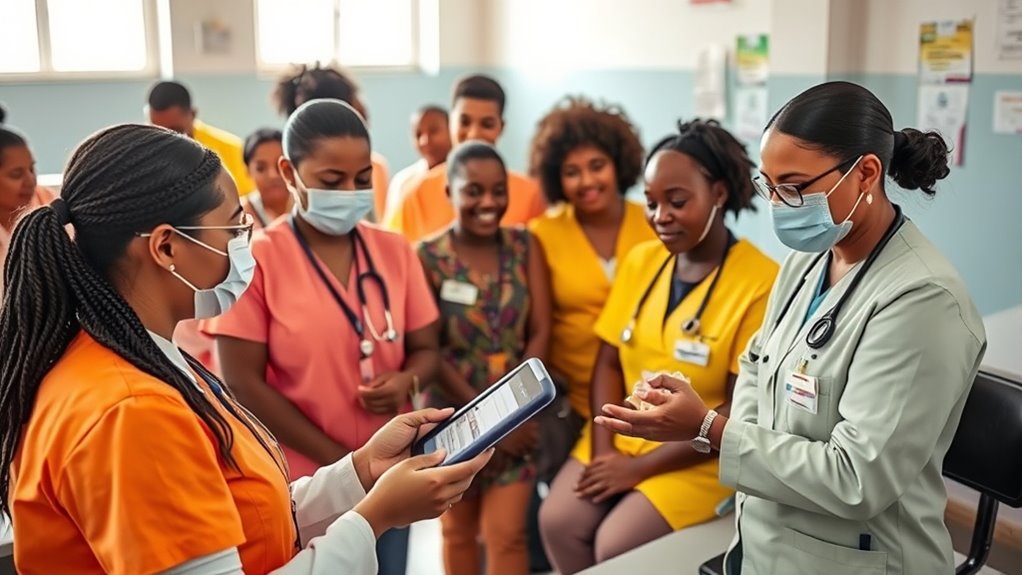
Public health assurance helps protect your community from preventable threats. It also promotes fair access to essential services, ensuring everyone can get the care they need. By following through on these commitments, you help build trust in the health system.
Protects Community Health
Public health assurance protects your community by helping guarantee that essential health services, safety measures, and emergency responses reach the people who need them. It connects you with reliable prevention programs, disease monitoring, vaccination efforts, and timely guidance during health threats.
Through community engagement, public health professionals learn about local concerns, build trust, and encourage you to take practical steps that reduce risks. Strong policy development also helps leaders establish clear standards for sanitation, emergency preparedness, and health protection.
When agencies measure results and improve their programs, you can depend on faster responses and safer surroundings. Public health assurance doesn’t eliminate every danger, but it strengthens your community’s ability to prevent problems, recognize threats, and respond effectively.
Your participation, feedback, and cooperation help make these protections work every day.
Ensures Equitable Services
These protections matter because public health assurance works to guarantee everyone can access needed services, regardless of income, location, language, disability, or other barriers.
When you need care, fair systems should help you find it before a manageable problem becomes a crisis.
Public health leaders use Policy development to remove structural obstacles and design programs around real community needs. They also apply Funding strategies that direct resources toward underserved neighborhoods, rural areas, and people facing hardship.
- You shouldn’t have to choose between medicine and groceries.
- Your child deserves vaccines, screenings, and healthy food, wherever you live.
- Your disability, language, or income shouldn’t determine your chance to survive.
Equitable assurance supports accessible clinics, translation, transportation, preventive care, and affordable treatment.
It also measures who remains excluded, then adjusts services so you receive meaningful, timely help, not merely a promise of availability.
Strengthens Public Trust
When health agencies communicate honestly, explain their decisions, and follow through on their promises, you can trust the guidance they provide. Public health assurance strengthens that trust by showing you that leaders measure results, correct mistakes, and remain accountable for protecting communities.
You’ll also see your experiences reflected through Community engagement. Agencies that listen to residents can identify concerns, address misinformation, and design services that fit local needs. This collaboration helps you feel respected rather than overlooked.
Transparent Policy development further reinforces confidence. When officials share evidence, explain tradeoffs, and invite public input, you can understand how decisions affect your health. Consistent communication and fair implementation demonstrate that agencies value your well-being.
As trust grows, you’re more likely to follow recommendations, participate in programs, and support efforts that improve community health.
How Is Assurance Different From Assessment?

Assessment helps you understand your community’s health and identify its needs. Assurance makes sure people receive the essential services they need. In other words, assessment shows you what needs to be done, while assurance turns those findings into action.
Assessment Measures Community Health
Assessment measures community health by collecting and analyzing data on conditions such as disease rates, environmental risks, access to care, and social determinants. You can use this evidence to identify who faces the greatest burdens, where gaps exist, and which trends demand attention.
Unlike assurance, assessment doesn’t guarantee that organizations deliver services. It clarifies needs and guides informed priorities.
You can examine:
- A rising illness rate that alarms families and motivates prevention.
- Unsafe housing or polluted air that threatens children and older adults.
- Unequal care access that limits hope, opportunity, and healthy years.
When you understand these patterns, you strengthen community resilience by recognizing assets alongside risks. You also support policy advocacy, giving residents credible findings to challenge inequities and urge effective action.
Assessment turns lived experiences into measurable insights, helping you see your community clearly before deciding what deserves attention.
Assurance Ensures Service Delivery
While assessment identifies community needs, assurance helps guarantee people can actually receive the services those needs require. When you focus on assurance, you examine whether clinics, programs, and professionals have the resources and capacity to serve residents effectively.
You also monitor access, availability, affordability, and service quality, ensuring providers meet established standards. Assessment tells you what problems exist; assurance checks whether the public health system delivers appropriate support in response to existing responsibilities.
Through oversight, licensing, funding, workforce development, and quality controls, you help maintain reliable care and protect communities. Policy implementation becomes meaningful when agencies can carry out requirements consistently and residents can use the services offered.
Assurance doesn’t simply describe conditions; it verifies that essential services remain reachable, safe, and dependable for the people who need them most.
From Findings To Action
Assurance turns assessment findings into action by checking whether public health agencies respond with accessible, effective, and accountable services. Assessment tells you what’s happening; assurance asks whether leaders correct gaps and protect residents.
- You can see agencies convert data into decisions, such as expanding vaccinations where access remains limited.
- You’ll recognize innovative collaborations when clinics, schools, nonprofits, and residents coordinate practical solutions.
- You can demand funding sustainability, so successful programs continue beyond temporary grants and emergencies.
Assurance also tracks performance, measures progress, and communicates results openly. If services fall short, responsible agencies adjust strategies, strengthen partnerships, and invest resources where they’ll matter most.
You shouldn’t have to wonder whether identified needs receive attention. Assurance gives you evidence that plans become services, promises become accountability, and improvements reach the people who need them.
That action-focused process builds trust and advances community health.
How Do Agencies Identify Health Needs?
Agencies identify health needs by collecting and analyzing data on disease rates, health behaviors, living conditions, and access to care. You’ll see them combine hospital records, surveys, census information, environmental reports, and community observations to reveal patterns.
They compare findings across neighborhoods, age groups, income levels, and other populations, so they can recognize disparities rather than rely on averages.
| Information source | What it reveals |
|---|---|
| Health records | Disease trends and outcomes |
| Surveys | Behaviors, concerns, and barriers |
Agencies also prioritize needs by considering severity, preventability, community impact, and available resources.
Through Community engagement, you can help agencies validate statistics, describe local conditions, and identify concerns that formal datasets might miss. Public meetings, interviews, focus groups, and partnerships with local organizations add essential context.
Agencies then share findings with residents and leaders, creating a basis for Policy development. Clear methods and transparent results build trust and help communities understand why officials rank some health needs above others.
They revisit the evidence regularly because conditions, risks, and community priorities can change.
How Does Assurance Connect People to Care?
Assurance connects you with qualified providers who can meet your health needs. It also helps remove barriers like cost, transportation, and limited access. This makes it easier to get the care you need, when you need it.
Connecting People to Providers
How do people move from recognizing a health need to receiving appropriate care?
Public health assurance helps you find the right provider through coordinated information, referrals, and trusted community networks.
Local agencies identify available clinicians, explain services, and guide you toward care that matches your needs.
Community engagement keeps this guidance relevant because residents can share concerns, expectations, and experiences.
Policy development strengthens coordination by defining referral standards, communication practices, and accountability.
You should feel supported, not abandoned, after asking for help:
- A clear referral can turn worry into a practical next step.
- A familiar community partner can make seeking care feel less intimidating.
- A responsive provider can restore hope when you’re uncertain.
Assurance connects you with professionals prepared to respond, while public health agencies monitor whether these connections work.
This coordination builds trust and encourages timely, appropriate care.
Removing Barriers to Care
Barriers to care can make even a clear referral difficult to follow, especially when cost, transportation, language, disability, or limited availability stands in your way. Public health assurance helps you overcome these obstacles by identifying practical solutions within your community.
You might receive information about sliding-scale fees, insurance enrollment, accessible facilities, interpretation, telehealth, or transportation assistance. Care coordinators can explain your options, connect you with eligible programs, and help you understand what each provider offers.
Barrier removal focuses on changing systems that exclude people, not blaming you for unmet needs. Access improvement can include multilingual materials, disability accommodations, and partnerships with trusted community organizations.
When agencies listen to your circumstances, they can design pathways that respect your preferences and make care reachable, affordable, and appropriate for your needs.
Supporting Timely Services
- You get help sooner, reducing fear and protecting your health.
- Your family receives guidance before small symptoms become emergencies.
- Your community gains confidence when every person can reach dependable care.
Health departments coordinate clinics, outreach teams, hospitals, and social services to close gaps.
If language, cost, disability, or distance creates an obstacle, assurance encourages practical solutions.
You shouldn’t have to navigate care alone or wait until a crisis forces action.
Who Makes Public Health Assurance Work?
Public health assurance works because people across the health system share responsibility for protecting community well-being. You help make it effective when you learn about local risks, use reliable services, and share accurate information.
Health departments coordinate programs, monitor needs, and connect residents with support. Clinicians deliver care, while laboratories, schools, employers, and community organizations extend outreach and build trust.
Elected leaders guide policy development and direct resources toward urgent needs. Public awareness grows when every partner communicates clearly and listens to residents.
| Partner | Contribution | How you help |
|---|---|---|
| Health departments | Coordinate services | Use available programs |
| Clinicians | Provide care | Follow trusted guidance |
| Community groups | Build trust | Share local concerns |
| Leaders | Set priorities | Support fair policies |
You’ll also see businesses, volunteers, and emergency responders strengthening preparedness and access. Their cooperation turns public goals into practical action.
When you participate, report concerns, and respect evidence-based guidance, you reinforce the shared network that keeps prevention and care within reach. Assurance depends on collaboration, not one agency working alone.
How Is Public Health Assurance Measured?
To measure public health assurance, communities track whether essential services reach people, risks are identified early, and responses reduce harm. You can examine clear indicators rather than rely on promises.
These measures show whether the system works when your neighbors need help most:
- Service performance: Track vaccination rates, inspection completion, laboratory turnaround times, emergency response speed, and access to essential prevention programs.
- Risk readiness: Review how quickly agencies detect threats, share accurate alerts, coordinate partners, and test response plans. Protect data privacy while collecting and using information.
- System reliability: Monitor staffing, equipment, community feedback, corrective actions, and funding stability. Compare results over time to reveal improvement or dangerous gaps.
You should also publish understandable dashboards and explain limitations, because one number can’t capture public health’s full value. Independent reviews, audits, and resident surveys add accountability.
When leaders connect spending, performance, and outcomes, you can see whether assurance is dependable, not merely promised. Regular measurement helps agencies learn, adapt, and maintain trust before a crisis tests every safeguard.
How Does Assurance Advance Health Equity?
Assurance advances health equity by checking whether every community can access essential services, receive timely protection, and influence decisions that affect its health.
Assurance advances health equity by ensuring communities receive essential services, timely protection, and a meaningful voice in health decisions.
When you examine results by neighborhood, income, race, age, disability, and other factors, you can identify gaps that overall averages conceal. You then use those findings to guide Health policy and Resource allocation toward communities facing the greatest barriers.
Assurance also helps you verify that programs respond to residents’ needs. By inviting community members to describe obstacles, review performance, and shape solutions, you strengthen accountability and improve trust.
Clear standards let you track whether agencies deliver vaccinations, preventive care, emergency alerts, and other protections fairly. You can compare progress over time, share results publicly, and adjust services when outcomes remain unequal.
In this way, assurance turns equity from a broad goal into a measurable responsibility. It helps you direct attention, funding, and action toward fairer health opportunities for everyone.
What Weakens Public Health Assurance?
Equity-focused assurance can weaken when agencies lack reliable data, clear standards, sufficient funding, or community participation. Without accurate information, you may overlook neighborhoods facing higher risks and direct resources elsewhere.
Vague standards also make it difficult to measure whether services reach people fairly. Even promising Healthcare innovations can widen disparities when cost, internet access, language, or disability barriers remain unaddressed.
- You may wait longer for essential care while preventable conditions worsen.
- Your family may lose trust when officials announce plans but fail to deliver.
- Your community may feel invisible when leaders make decisions without listening.
Political pressure, fragmented systems, workforce shortages, and weak accountability can further erode assurance. Delayed Policy reform may preserve rules that exclude underserved groups, while poor communication can fuel confusion during emergencies.
Agencies can also weaken confidence by reporting successes without acknowledging gaps or harm. When these failures continue, you may see assurance as a promise rather than protection.
This is especially true if institutions don’t explain decisions, correct mistakes, or demonstrate measurable fairness.
How Can Communities Improve Assurance?
How can communities improve assurance? You can strengthen public health assurance by building trust, sharing resources, and coordinating services. Start with Community engagement that invites residents to identify local risks, explain barriers, and shape practical solutions.
Listen to people who face the greatest challenges, including language, transportation, income, or accessibility barriers. Then use their feedback to guide programs, measure results, and adjust services.
You can also support Policy development that turns community priorities into enforceable action. Work with health departments, schools, employers, clinics, and local leaders to create policies that expand prevention, improve emergency readiness, and protect vulnerable residents.
Communicate decisions clearly so people understand what you’re doing and how they can participate.
Finally, track outcomes and report progress publicly. When you share successes and acknowledge gaps, you build accountability.
Frequently Asked Questions
You’ll find public health assurance authority in federal, state, and local laws. Legal frameworks commonly include the Public Health Service Act, Social Security Act, Emergency Health Powers Acts, state health codes, and local ordinances.
These laws let agencies license providers, inspect facilities, require reporting, distribute resources, and coordinate emergencies. Through policy enforcement, you must follow applicable regulations, while courts and legislatures define limits, protect rights, and oversee agency actions.
How Is Public Health Assurance Funded?
You’ll find public health assurance funded through a patchwork quilt of health policy, appropriations, grants, and dedicated taxes. You rely on federal, state, and local budgets, often supplemented by Medicaid, Medicare, and emergency funds.
Funding sources may also include fees, contracts, and philanthropic contributions. Because priorities shift, you must coordinate agencies, document results, and advocate for stable investments.
Strong accountability helps guarantee resources reach communities and essential services continue.
What Historical Events Shaped Public Health Assurance?
Historical pandemics shaped public health assurance by showing you how quickly disease can overwhelm communities. Cholera outbreaks pushed governments to improve early sanitation, including clean water, sewage systems, and waste removal. Smallpox epidemics encouraged organized vaccination programs and disease surveillance.
The influenza pandemic of 1918 exposed weaknesses in coordination and emergency communication. Later HIV/AIDS expanded your understanding of prevention, testing, education, and equitable access to care during public health crises.
How Does Technology Support Public Health Assurance?
You can strengthen public health assurance through technology that detects threats, guides decisions, and connects communities. Digital surveillance tracks disease patterns, monitors outbreaks, and alerts you to emerging risks quickly.
Data analytics helps you interpret health records, identify disparities, and target resources where they’re needed most. Mobile apps, telehealth, and electronic reporting improve communication and access.
You’ll still need privacy safeguards, accurate information, and equitable digital access to protect everyone effectively.
What Careers Focus on Public Health Assurance?
Like a bridge connecting communities to better health, careers in public health assurance help you protect populations and strengthen health systems. You might work as an epidemiologist, health educator, emergency preparedness coordinator, or public health program manager.
Community outreach roles connect residents with services, while policy advocacy positions shape laws and funding. You can also pursue careers in quality improvement, health inspection, data analysis, or governmental planning to improve accountability and access.
Conclusion
When you understand public health assurance, you can see how agencies turn community needs into action. They connect you with essential services, measure results, address gaps, and work to advance health equity.
Strong assurance keeps prevention and care within reach, like a bridge linking every neighborhood to better health. You can strengthen that bridge by supporting collaboration, sharing local concerns, participating in planning, and holding agencies accountable for clear, effective, and equitable results for all residents.