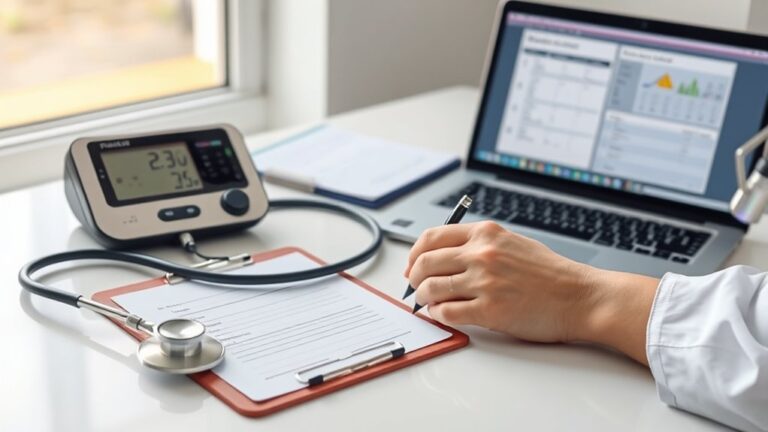
7 Key Areas of a Complete Health and Wellness Test
Trying to understand your overall health can feel overwhelming when symptoms, lab results, nutrition, sleep, and stress all seem connected. You’re not alone—many people struggle to know where to start or which health priorities matter most.
A complete health and wellness test covers seven key areas: medical history and laboratory results, nutrition, fitness and daily activity, mental and emotional health, sleep and recovery, preventive screenings and risk factors, and personalized goals.
You’ll review symptoms, medications, essential signs, diet, movement, stress, sleep patterns, family history, and recommended screenings. Your clinician can then turn the findings into realistic SMART goals and follow-up steps.
The sections below explain what each area may include and how it supports your health.
Key Takeaways
- Medical history, vital signs, physical performance, laboratory tests, genetic markers, hormones, and age-appropriate screenings.
- Nutrition, body composition, dietary patterns, nutrient gaps, physical activity, mobility, and lifestyle habits.
- Mental and emotional well-being, including mood, stress, resilience, social connection, and coping strategies.
- Sleep quality, recovery, preventive care, environmental exposures, and management of lifestyle-related risk factors.
- Personalized goals, clinician follow-up, referrals, progress tracking, and regular reassessment to guide ongoing wellness.
What Should a Complete Wellness Test Include?

What should a complete wellness test include? It should give you a clear, practical view of your current health, identify potential risks, and guide your next steps. A thorough assessment typically begins with a review of your medical history, family history, medications, symptoms, lifestyle, and personal goals.
Your clinician may then check essential signs, body composition, cardiovascular function, mobility, and general physical performance.
Laboratory testing can add deeper insight. Depending on your age, history, and concerns, your panel might evaluate blood counts, kidney and liver function, cholesterol, blood sugar, inflammation, and immune activity.
Genetic markers may reveal inherited risks or help personalize screening recommendations. Testing hormonal balance can also clarify concerns involving energy, sleep, mood, metabolism, or reproductive health.
You should receive an explanation of every result, including what falls within a healthy range and what requires follow-up. A complete test doesn’t just collect data; it connects findings to realistic prevention, monitoring, and care plans tailored to you.
Check Your Nutrition and Eating Habits

Check whether your diet includes a balanced mix of essential nutrients. Track your eating habits to spot patterns that may affect your health. You’ll also be able to identify nutritional gaps and find practical ways to address them.
Assess Dietary Balance
How balanced are your daily meals? Assess whether your plate supplies varied nutrients from vegetables, fruits, whole grains, lean proteins, and healthy fats. A balanced diet supports steady energy, muscle repair, immune function, and overall wellness.
Notice whether you regularly include colorful produce, fiber-rich foods, calcium sources, and adequate protein. Limit foods high in added sugar, excess sodium, and trans fats without labeling any food completely forbidden.
Meal planning can help you combine nutritious ingredients and prepare practical options that fit your schedule. Use Portion control to match serving sizes with your energy needs, especially for calorie-dense foods.
Consider dietary restrictions, allergies, cultural preferences, and health goals when evaluating your choices. A dietitian can help you identify nutrient gaps and create realistic adjustments that support lasting health.
Track Eating Patterns
Track when, where, and why you eat to recognize patterns that may affect your nutrition and energy. Note your meals, snacks, drinks, hunger levels, and emotions in a food journaling app or notebook.
Include details such as rushed meals, late-night eating, distracted snacking, or skipping breakfast. This record can show whether stress, boredom, social settings, or busy schedules influence your choices.
Pay attention to portion control by estimating serving sizes and noting whether you eat until satisfied or overly full. You don’t need to judge yourself or change everything at once.
Review your notes after several days and identify consistent routines, triggers, and situations that shape your eating habits. Use these observations to make practical adjustments, such as planning snacks, eating without screens, or slowing down during meals.
Identify Nutritional Gaps
Reviewing your eating patterns can reveal nutritional gaps, such as too little fiber, protein, healthy fat, vitamins, or minerals. Compare your usual meals with basic nutrition guidelines.
Note signs such as fatigue, brittle nails, poor concentration, digestive changes, or slow recovery. A qualified professional can review your food record, health history, medications, and, when appropriate, laboratory results.
This process supports accurate Dietary deficiency identification without relying on guesswork or restrictive internet advice. You’ll also learn which habits may improve absorption, such as pairing iron-rich foods with vitamin C.
If food changes don’t fully meet your needs, ask about Personalized supplement recommendations. Don’t start high-dose supplements on your own, since excess nutrients can cause harm or interact with medications.
Reassess your plan regularly as your needs change.
Measure Fitness and Daily Activity

A complete wellness test measures your fitness and daily activity to show how well your body handles movement. It may assess strength, flexibility, balance, endurance, posture, mobility, and recovery after exertion.
These results help you understand your current abilities and identify areas that need attention.
Use your results to recognize your strengths, understand your limitations, and focus on areas that may benefit from attention.
Fitness tracking adds useful information between formal assessments. A wearable device or activity log can record steps, walking distance, active minutes, workout frequency, heart rate, and sleep-related movement patterns.
Reviewing these trends helps you see whether you’re moving consistently or spending too much time sitting.
Your evaluator may also ask about work demands, transportation, hobbies, and exercise habits. This context makes the findings more practical and supports realistic goals.
You might increase walking, add resistance training, stretch regularly, or take movement breaks during the day. Repeating the assessment over time lets you measure progress and adjust your routine safely.
If pain, dizziness, or unusual fatigue occurs, consult a qualified healthcare professional before increasing activity.
Check Your Mental and Emotional Health
Your mental and emotional health affects how you handle everyday challenges and relationships. Pay attention to your mood, stress levels, and coping habits to better understand your emotional well-being. Also, consider how well you recover from setbacks as a way to assess your mental resilience.
Assess Emotional Wellbeing
How have you been feeling emotionally lately? Notice your mood, energy, and reactions throughout the day. Assess whether you feel calm, connected, and able to enjoy ordinary activities. Your answers can reveal patterns worth discussing with a healthcare professional.
| Check | What to notice | Helpful action |
|---|---|---|
| Mood | Sadness, irritability, or calm | Record daily changes |
| Connections | Support and loneliness | Contact someone you trust |
| Coping | Tension and overwhelm | Practice stress management |
Give yourself permission to name difficult feelings without judgment. Simple habits, such as regular sleep, movement, enjoyable hobbies, and honest conversations, can support emotional resilience.
If persistent sadness, anxiety, numbness, or loss of interest affects your routine, seek professional guidance. You don’t need to wait for a crisis to ask for help. A wellness test should support self-awareness, not label you.
Evaluate Mental Resilience
Mental resilience reflects how you adapt to stress, recover from setbacks, and manage difficult thoughts and emotions. Evaluating it helps you understand how effectively you respond when life feels overwhelming.
Notice whether you can identify stress triggers, maintain perspective, and take constructive action instead of withdrawing or reacting impulsively.
Consider your Stress management habits, including sleep, physical activity, relaxation techniques, supportive relationships, and professional guidance.
Also assess your emotional resilience: Can you acknowledge painful feelings without letting them control your decisions? Do you learn from challenges and regain motivation after disappointment?
Honest answers reveal strengths and areas needing support. If persistent anxiety, hopelessness, irritability, or emotional exhaustion affects daily life, talk with a qualified mental health professional.
Building resilience takes practice, patience, self-compassion, and consistent attention to your mental health.
Evaluate Sleep Quality and Recovery
Sleep quality and recovery are essential indicators of overall health, revealing how well your body and mind restore themselves each night. During a wellness test, you’ll discuss your sleep duration, consistency, nighttime awakenings, and morning energy.
Sleep quality and recovery reveal how effectively your body and mind restore themselves, providing valuable insight into your overall health.
You may also track how quickly you fall asleep and whether pain, stress, breathing problems, or frequent bathroom visits disrupt rest.
Your provider can help you identify habits that support effective sleep hygiene, such as maintaining a regular schedule, limiting evening caffeine, reducing screen exposure, and keeping your bedroom cool and quiet.
You’ll also consider recovery strategies that match your lifestyle, including rest days, balanced activity, hydration, relaxation practices, and workload adjustments.
Pay attention to persistent snoring, gasping, insomnia, excessive daytime sleepiness, or difficulty recovering after exercise. Sharing these patterns helps your provider determine whether you need targeted guidance or further evaluation.
Improving sleep and recovery can strengthen concentration, mood, physical performance, and resilience, helping you function better throughout each day.
Review Preventive Screenings and Risk Factors
A complete wellness test reviews preventive screenings and risk factors based on your age, health history, lifestyle, and family background. Your clinician checks whether you’re current on recommended tests, such as blood pressure, cholesterol, diabetes, cancer, bone, and infectious-disease screenings.
They also consider medications, tobacco or alcohol use, nutrition, activity, and reproductive health.
| Area | What’s reviewed | Why it matters |
|---|---|---|
| Family history | Genetic predispositions | Identifies inherited risks |
| Environment | Environmental exposures | Reveals preventable hazards |
| Lifestyle | Tobacco, alcohol, activity | Guides risk assessment |
| Screening schedule | Age-appropriate tests | Detects disease early |
Share symptoms, previous results, vaccination records, and concerns honestly. Your provider may ask about workplace chemicals, air quality, travel, sun exposure, or housing conditions.
These details can reveal risks that routine measurements miss. Screening recommendations vary by age, sex, pregnancy status, ethnicity, and personal history, so don’t rely solely on general checklists.
Ask which tests you need now, which can wait, and how often you should repeat them. Confirm that follow-up referrals or additional testing are arranged when results require closer evaluation.
Turn Your Results Into Health Goals
Turn your wellness results into specific, achievable health goals with your clinician. Review each finding and identify the changes that could make the greatest difference.
Work with your clinician to turn wellness findings into focused, achievable goals that support meaningful health improvements.
You might focus on lowering blood pressure, improving cholesterol, reaching a healthier weight, managing stress, or sleeping more consistently. Choose one or two priorities first so your plan feels manageable.
Your clinician can create personalized health plans based on your medical history, preferences, schedule, and risk factors. Together, set SMART goals that are specific, measurable, achievable, relevant, and time-bound.
For example, you could walk for 30 minutes five days a week or replace sugary drinks with water for the next month.
Lifestyle modifications work best when you track progress and adjust your approach. Use a journal, app, home monitor, or follow-up visit to stay accountable.
Celebrate steady improvements, and don’t treat setbacks as failure. Ask questions, report difficulties, and schedule reassessments so your goals remain safe, practical, and responsive to your changing health needs.
Frequently Asked Questions
How Often Should I Schedule a Complete Health and Wellness Test?
Schedule a complete health and wellness test about once a year, unless your healthcare professional recommends a different interval. You may need more frequent visits if you have chronic conditions, take regular medications, face increased health risks, or experience new symptoms.
During your appointment, discuss age-appropriate preventive screenings and lifestyle assessments. Don’t wait for your annual visit if something concerns you; contact your clinician promptly for personalized guidance and timely care.
Should Children and Teenagers Undergo Comprehensive Wellness Testing?
Yes, you should schedule routine wellness visits for children and teenagers, but they don’t always need every thorough test. Your healthcare professional can tailor exams to age, family history, symptoms, growth, and risk factors.
Regular visits monitor child development, vaccinations, vision, hearing, nutrition, mental health, and safety. Teen health screenings may include depression, substance use, sexual health, and blood-pressure checks.
Follow your clinician’s recommended schedule, and seek care sooner when concerns arise or changes appear.
What Should I Bring to My Wellness Assessment Appointment?
Bring a list of your current medications, supplements, allergies, medical conditions, and recent symptoms to your wellness assessment. Pack your insurance card, photo identification, and any necessary documentation, such as medical records, vaccination history, or referral forms.
Follow any test preparation instructions, including fasting or avoiding certain medications, and bring questions you want to discuss. Wear comfortable clothing, arrive early, and note your family’s health history if possible.
How Much Does a Complete Health and Wellness Test Typically Cost?
You’ll typically pay $100–$500 for a complete health and wellness test, depending on your location, provider, included laboratory work, and insurance coverage. Basic assessments may cost less, while extensive panels, imaging, or specialist reviews can raise the price.
Preventive screenings and lifestyle assessments might come bundled or billed separately. Ask the clinic for an itemized estimate, confirm what your insurance covers, and check whether you’ll face copays, deductibles, or additional lab fees.
Can Wellness Tests Detect Conditions Without Noticeable Symptoms?
Yes, wellness tests can detect conditions without noticeable symptoms through screening, blood work, imaging, and other assessments. You might uncover high blood pressure, heightened cholesterol, diabetes, or certain cancers before you feel unwell.
This symptom detection supports early diagnosis and can help you begin treatment sooner. However, no test finds every condition, and false positives or negatives can occur.
Talk with your healthcare professional about which screenings match your age, risks, and family history.
Conclusion
A complete wellness test gives you a clearer map of your health, from the food on your plate to the thoughts in your mind.
When you measure nutrition, fitness, sleep, emotional well-being, and preventive risks, you can spot trouble before it becomes a storm.
Use those insights to set practical goals, such as walking more, sleeping better, or scheduling screenings. With each small step, you’ll build a stronger foundation and move toward a healthier, more energized future with a complete health and wellness test.