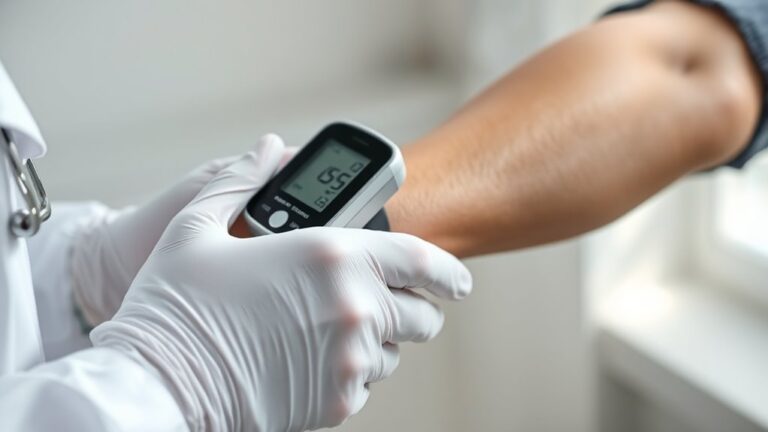
Preventive Care Vs Primary Care: 7 Key Differences
Many people aren’t sure whether they need preventive care, primary care, or both—and you’re not alone. Understanding preventive care vs primary care can help you choose the right type of visit, stay on top of your health, and get support before small concerns become bigger problems.
Preventive care helps you stay healthy by preventing illness or finding risks early through checkups, screenings, vaccinations, and counseling.
Primary care gives you ongoing support for symptoms, minor injuries, chronic conditions, and specialist referrals.
You’ll often receive preventive services during a primary care visit, but you may schedule care differently based on your needs, age, and risk factors.
Regular preventive visits matter even when you feel well, while primary care responds to health concerns as they arise.
The key differences between preventive care vs primary care become clearer below.
Key Takeaways
- Preventive care focuses on preventing illness or detecting risks early, while primary care addresses prevention, symptoms, treatment, and ongoing health needs.
- Preventive services include wellness exams, vaccinations, screenings, lifestyle counseling, and risk assessments.
- Primary care includes diagnosing illnesses, treating minor injuries, managing chronic conditions, and coordinating specialist referrals.
- Preventive visits are scheduled according to age, guidelines, family history, and risk factors. Primary care visits depend on symptoms and health conditions.
- The two overlap because primary care clinicians commonly provide preventive services during ongoing, personalized healthcare visits.
Preventive Care vs. Primary Care: What’s the Difference?

Preventive care focuses on preventing illness or detecting it early through services like vaccinations, screenings, and wellness exams. When you choose preventive care, you typically receive health screening, immunizations, risk assessments, and lifestyle counseling before symptoms appear. Your goal involves maintaining health and identifying potential concerns as soon as possible.
Primary care provides a broader, ongoing source of medical support. You visit a primary care clinician for preventive services, but you also seek help for new symptoms, chronic conditions, minor injuries, and routine treatment. Your clinician evaluates your concerns, recommends testing, prescribes medication, and coordinates specialist care when necessary.
In short, preventive care describes the purpose or type of service, while primary care describes the healthcare relationship and setting that deliver many services. You can receive preventive care during a primary care visit, although primary care also addresses problems that already affect you.
Understanding this distinction helps you schedule the right appointment and explain your needs clearly. Both approaches support informed decisions and continuity throughout your healthcare journey.
What Is Preventive Care Designed to Do?

By identifying health risks early, preventive care helps you stay well and address potential problems before they become more serious. Its purpose is to support your long-term health, not simply respond when you feel sick.
You can use preventive strategies to understand your personal risks, make informed decisions, and maintain habits that protect your well-being. Your healthcare team may help you recognize factors such as family history, age, daily routines, and environmental influences.
With that information, you can make practical lifestyle modifications, including improving nutrition, staying active, sleeping consistently, managing stress, and avoiding tobacco. These changes can lower your chances of developing chronic conditions and help you preserve your energy and independence.
Health screenings can also reveal concerns before noticeable symptoms appear. By following recommendations suited to your age, health history, and risk level, you give yourself more opportunities to act early.
Preventive care empowers you to take an active role in protecting your future health.
What Services Count as Preventive Care?

Preventive care includes services that help you avoid illness, detect health concerns early, and maintain your well-being. These services focus on staying healthy rather than treating an established condition.
Common examples include routine wellness visits, blood pressure checks, cholesterol testing, cancer screenings, and tests for diabetes. Your clinician may recommend screenings based on your age, sex, family history, and personal risks.
Lifestyle screenings can assess tobacco use, alcohol consumption, nutrition, physical activity, sleep, and emotional well-being. They can help you identify habits that may affect your health.
Immunization programs also count as preventive care. Vaccines can protect you from illnesses such as influenza, COVID-19, measles, pneumonia, and human papillomavirus.
Preventive services may include counseling about healthy eating, weight management, injury prevention, and safer sexual practices. Dental cleanings, vision checks, and developmental screenings can support your overall wellness, too.
Ask your healthcare professional which services you need and when you should schedule them. Recommendations can change throughout your life.
What Does Primary Care Treat and Manage?
Primary care also treats and manages health problems after they develop, from short-term illnesses such as infections and minor injuries to ongoing conditions such as diabetes, asthma, high blood pressure, and arthritis.
Primary care treats short-term illnesses and provides ongoing support for chronic conditions like diabetes, asthma, and arthritis.
Your primary care clinician evaluates symptoms, identifies likely causes, provides treatment, and tracks your recovery.
For chronic conditions, you’ll receive ongoing support that may include medication adjustments, lifestyle guidance, referrals, and regular follow-up visits.
Primary care can also coordinate with specialists and help you manage multiple conditions safely.
Your visits may include:
- Diagnosing and treating coughs, rashes, stomach problems, and minor injuries
- Managing diabetes, asthma, heart disease, and other long-term conditions
- Ordering lab tests, reviewing results, and monitoring treatment progress
Health screenings can help your clinician detect medical concerns while they’re easier to address. Primary care also responds when you notice changes or feel unwell.
When Should You Choose Preventive or Primary Care?
Choose preventive care for routine checkups, screenings, and vaccinations that help protect your health. On the other hand, choose primary care when you’re experiencing symptoms, managing a condition, or looking for guidance about a specific concern. Understanding what you need can help you choose the right type of care at the right time.
Routine Care Needs
When you’re generally healthy and want to stay that way, preventive care is the right starting point for routine screenings, vaccinations, and wellness guidance. Your clinician can help you understand age-based tests, family-history risks, and healthy Lifestyle habits before problems arise.
Schedule preventive visits even when you feel well, because early detection supports long-term health.
Choose primary care for ongoing, individualized management of established needs, such as monitoring a Chronic disease or reviewing regular medications. Primary care also coordinates referrals and keeps your health plan organized over time.
For routine care, consider this simple guide:
- Select preventive care for screenings, immunizations, and risk assessments.
- Choose primary care for continuing management and coordinated services.
- Keep scheduled visits with either provider to maintain a complete health record.
Your needs may change, so ask which appointment best fits your current care goals.
Addressing Health Concerns
If a new symptom, health change, or ongoing concern arises, primary care can help evaluate it, guide treatment, and coordinate follow-up. You might choose primary care for persistent pain, unexpected fatigue, infections, medication concerns, or changes in your mental health.
Your clinician can review your history, perform an exam, order diagnostic tests, and create a treatment plan tailored to your needs. They’ll also use a holistic approach by considering your lifestyle, family history, emotional well-being, and other conditions.
Through patient education, you’ll learn what your symptoms may mean, how to manage them, and when to seek additional help. Choose preventive care when you feel well and want to reduce future risks through screenings, immunizations, counseling, and healthy-habit support.
When symptoms appear, don’t delay primary care.
How Often Should You Schedule Each Type of Care?
You should schedule primary care visits based on your age, health history, and ongoing needs. Preventive care follows recommended timelines for screenings, vaccines, and checkups.
Your clinician may recommend more frequent primary care visits if you manage diabetes, high blood pressure, asthma, or another ongoing condition. Otherwise, an annual visit can help you review changes, renew medications, and address new concerns.
Preventive care appointment frequency varies by age, sex, family history, lifestyle, and risk factors. Check your screening schedules and ask which services you need now instead of relying on a single routine.
- Get recommended vaccines according to age and health status.
- Complete screenings when guidelines or your clinician recommend them.
- Schedule wellness checkups regularly, even when you feel healthy.
Don’t wait for a scheduled visit if symptoms appear or a condition worsens. Contact your primary care office for guidance about urgency and timing.
Keep a personal record of completed screenings, vaccines, and upcoming appointments so you can plan confidently. Revisit your schedule after major health changes, pregnancy, or a new diagnosis.
How Preventive and Primary Care Work Together
Preventive and primary care work together to support your health over time. Your primary care clinician provides routine checkups, treats illnesses, and manages ongoing conditions.
During these visits, they can also deliver preventive services, such as vaccinations, screenings, counseling, and risk assessments.
Primary care visits provide opportunities for vaccinations, screenings, counseling, and personalized assessments to support your long-term health.
This connection helps you receive the right care at the right time. For example, your clinician may identify high blood pressure during a checkup, recommend lifestyle changes, and schedule follow-up testing.
Preventive visits can reveal risks before symptoms appear, while primary care helps you address problems that develop.
Together, these services create integrated health care centered on your needs. Your clinician can track your medical history, explain results, and adjust recommendations as your health changes.
Coordinated services also reduce duplicated tests and improve communication among specialists.
You’ll get the most benefit when you share accurate information, ask questions, and follow your care plan.
Keep regular appointments, even when you feel healthy, so your care team can protect your well-being and respond early to changes.
Frequently Asked Questions
Can Preventive Care Visits Be Covered by Insurance Without Copays?
Yes, your preventive care visit may be covered by insurance without a copay when you use an in-network provider and receive services your plan identifies as preventive. Insurance coverage varies, however, and copay policies can differ for additional tests, diagnostic services, follow-up appointments, or out-of-network care.
Check your plan’s benefits or call your insurer before scheduling. Ask whether the specific service qualifies, whether deductibles apply, and which providers participate in your network.
What Should You Bring to a Preventive or Primary Care Appointment?
Bring your photo ID, insurance card, medication list, allergy details, and medical records to your appointment. Include supplements, recent test results, vaccination records, and information about your family health history.
Write down symptoms, concerns, and questions so you don’t forget anything. For a Health screening or Wellness check, note your last screenings and dates.
Bring home blood-pressure readings or glucose logs if you track them. Also, arrive early to complete paperwork.
Can Children and Teenagers Receive Preventive Care Through Primary Care Providers?
Yes—your child or teenager can receive preventive care through a primary care provider because “waiting until something’s wrong” isn’t exactly a healthy plan. During routine visits, your provider can offer pediatric vaccinations, track growth and development, discuss nutrition, and identify concerns early.
For adolescents, teen health screenings may cover mental health, substance use, sexual health, and chronic conditions. Schedule regular checkups and share questions honestly so your child receives appropriate, timely support.
How Do You Find a Qualified Primary Care or Preventive Care Provider?
You can find a qualified primary care or preventive care provider through your insurance directory, professional medical associations, local clinics, or recommendations from trusted friends. Verify the provider’s license, board certification, experience, accepted insurance, and patient reviews.
Compare locations, communication styles, and available services before choosing. For appointment preparation, gather your medical history, medication list, insurance information, and questions.
Then schedule an introductory visit to assess comfort and compatibility.
What Happens if Preventive Screening Results Require Additional Testing?
If your preventive screening needs more testing, don’t panic. Your clinician will explain the finding and recommend next steps. During test result interpretation, they may compare results with your history, repeat the screening, order imaging, or refer you to a specialist.
Follow-up procedures could include blood tests, biopsies, or monitoring over time. Ask what the result means, how urgent evaluation is, and when you’ll receive answers. In this age of telegrams, stay reachable.
Conclusion
Understanding preventive care vs. primary care helps you make confident choices about your health. Preventive visits help you stay ahead of potential concerns, while primary care supports you when something feels off or needs ongoing attention.
You don’t have to navigate either path alone. Your healthcare team can guide you through life’s occasional bumps and keep routine needs on track. By combining both types of care, you give yourself the best chance to feel well today and tomorrow.