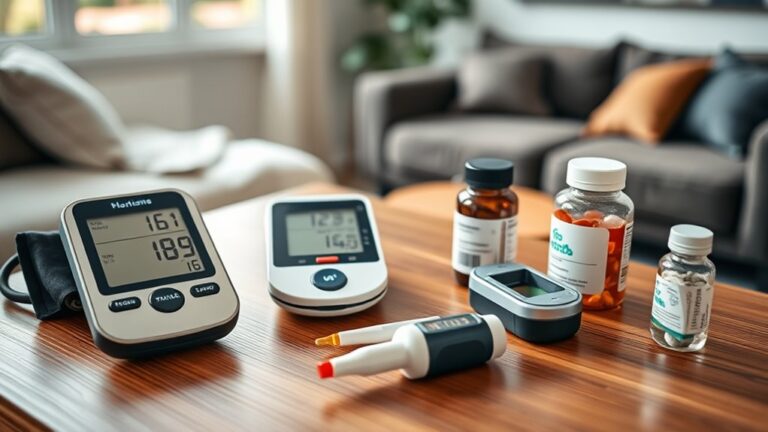
How to Prepare for a Preventive Medical Checkup
Preparing for a preventive medical checkup can feel overwhelming, especially when you’re unsure what to bring, ask, or do beforehand. You’re not alone—many people struggle to organize their health information and remember their most important concerns.
To prepare for a preventive medical checkup, confirm the appointment’s purpose and ask about fasting or other test instructions. Review your medical and family history, then gather medication lists, allergies, vaccination records, home health readings, and recent reports.
Write down symptoms, lifestyle concerns, mental health changes, and priority questions. Bring your ID, insurance card, devices, and notes.
During the visit, clarify screenings, medications, results, and follow-up plans. The steps below can help you feel organized and prepared.
Key Takeaways
- Schedule the appropriate checkup based on your age, medical history, medications, family history, and lifestyle risks.
- Prepare an updated list of medications, supplements, allergies, health readings, vaccinations, and recent test results.
- Record symptoms, health changes, lifestyle concerns, and prioritized questions to discuss with your clinician.
- Follow any pre-visit instructions, such as fasting, medication adjustments, or bringing monitoring devices.
- Bring identification, insurance information, medical records, and something to record recommendations and follow-up plans.
Choose the Right Preventive Checkup
Start by choosing a preventive checkup that fits your age, health history, risk factors, and lifestyle. Your needs may differ from a friend’s or family member’s, so don’t rely on a one-size-fits-all schedule.
Consider your current age, previous diagnoses, medications, family history, occupation, and personal habits. You should also account for smoking, alcohol use, diet, physical activity, sleep, and other factors that can affect your health.
Talk with a primary care professional if you’re unsure which type of appointment suits you. Share your concerns honestly, including changes in energy, mood, stress, or daily functioning.
Mental health deserves the same attention as physical health, particularly if anxiety, depression, burnout, or substance use affects your life.
Depending on your circumstances, you may benefit from a general wellness visit, a condition-focused evaluation, or a specialized preventive appointment.
Lifestyle modifications, such as improving nutrition, exercise, sleep, or stress management, may also shape your recommended schedule.
Confirm What Your Checkup Will Include

Before your appointment, ask what the checkup will include so you know what to expect and can prepare relevant questions. Confirm whether your visit covers a physical examination, preventive screenings, immunizations, and a review of your medical history.
> Ask what your checkup includes, from physical exams and screenings to immunizations and medical history reviews.
Ask which age-, sex-, and risk-based assessments your clinician recommends. Clarify whether you’ll discuss your family history or ongoing conditions.
Find out whether the appointment includes counseling about nutrition, exercise, sleep, tobacco, alcohol, and other lifestyle modifications. You can also ask if your clinician will screen for mental health concerns, such as anxiety, depression, stress, or substance use.
Knowing the scope helps you identify topics you don’t want to overlook. Ask how long the visit will take and whether you’ll meet with other healthcare professionals.
If a service isn’t included, request guidance on scheduling it separately. Write down your questions and bring an updated medication and supplement list so you can use your time efficiently.
Check Fasting and Test Instructions
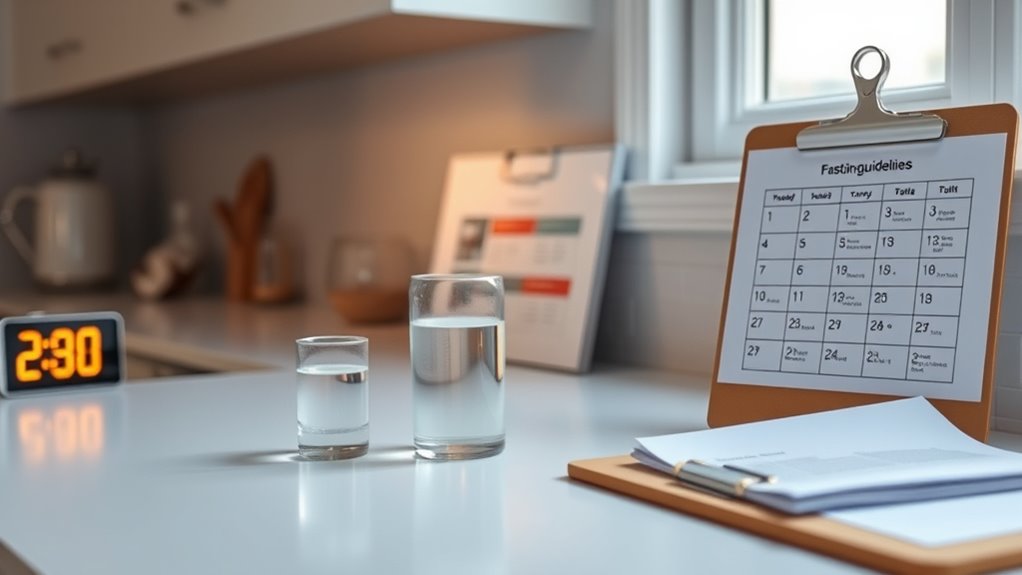
Check whether you need to fast or follow any timing or preparation requirements. Review the instructions for each test so you arrive prepared. Ask your healthcare provider whether you should adjust or pause any medications.
Confirm Fasting Requirements
Confirm whether you need to fast for your preventive checkup, since some tests require several hours without food or certain drinks. Ask your clinic about the exact fasting duration and when you should stop eating.
Clarify whether you may drink plain water, coffee, tea, juice, or other beverages during that period. Your hydration requirements may differ, especially if you take regular medication or have a condition affected by dehydration.
Don’t assume every checkup requires fasting; many routine visits allow normal meals. Follow the instructions your healthcare team provides, and contact them if the guidance seems unclear or conflicts with your usual care plan.
Schedule an appointment time that makes fasting manageable, such as early morning, and bring any questions about permitted fluids before you arrive for testing.
Follow Test-Specific Instructions
Review the instructions for each scheduled test, since requirements may vary beyond fasting, including medication changes, specimen collection, exercise restrictions, or arrival times. Follow each direction carefully so your results remain accurate and your appointment stays on schedule.
Confirm whether you should bring a urine sample, avoid strenuous activity, or arrive early for paperwork. Don’t guess when instructions seem unclear; contact the clinic before your visit.
| Test need | Your preparation | Helpful reminder |
|---|---|---|
| Blood work | Follow fasting directions | Bring water if allowed |
| Urine testing | Collect as instructed | Use the provided container |
| Imaging | Follow diet or activity limits | Arrive at the requested time |
Avoid introducing new lifestyle modifications immediately before testing, because sudden changes can affect results. Also, tell the clinic if anxiety or other mental health concerns could make testing difficult, so staff can plan appropriate support.
Keep written instructions accessible.
Ask About Medications
Before your checkup, ask the clinic whether you should take, skip, or adjust any medications or supplements, especially if you’ll be fasting or having blood tests. Don’t stop prescribed medicine on your own; your clinician may recommend taking it with a small sip of water or waiting until after testing.
Share every prescription, over-the-counter product, vitamin, and herbal supplement you use. This information helps your care team identify medication interactions and make safe prescription adjustments.
- Confirm how long you should fast and whether water, coffee, or gum is permitted.
- Ask which medicines you should take before arrival and which you should bring with you.
- Report diabetes medicines, blood thinners, and supplements that could influence results.
Follow the clinic’s written instructions, and call again if anything remains unclear. Clear guidance helps ensure accurate results and protects your safety.
Review Your Medical and Family History
Review your medical history before your appointment. Gather your personal records, including a list of medications, allergies, past diagnoses, and test results. Also, document your family health history so your doctor can better assess any potential risks.
Gather Personal Records
Gather your medical and family history before the appointment so your clinician can identify risk factors and tailor your preventive care. Start your medical record organization by collecting current information in one folder, app, or secure patient portal.
Your Personal health documentation should include:
- A medication list with prescription names, doses, supplements, and allergies.
- Recent test results, imaging reports, immunization dates, and specialist notes.
- Details about past surgeries, hospital stays, diagnoses, and ongoing treatments.
Check each item for accuracy, and note when you last updated it. If another clinic holds important records, request copies or authorize electronic sharing before your visit.
Bring the folder or confirm portal access, but protect sensitive information with a password. You’ll save time, answer questions more confidently, and help your clinician spot gaps in screening or follow-up care.
Keep the list updated after every appointment, procedure, or medication change.
Document Family Health History
Document your family health history by noting major conditions, ages at diagnosis, and causes of death among close relatives. Include information about parents, siblings, children, grandparents, aunts, and uncles, especially on both sides of your family.
Record chronic illnesses, cancers, heart disease, diabetes, mental health conditions, and inherited disorders. If you don’t know exact details, write down what you do know and identify relatives who may provide missing information.
Bring this Family history to your appointment, whether you keep it in a notebook, electronic health record, or reputable family-history tool. Your clinician can use these details to recognize Genetic predispositions, recommend earlier or more frequent screenings, and discuss risk-reduction strategies.
Update the record when relatives receive diagnoses or when you learn additional information. Accurate details help your clinician personalize preventive care.
Gather Medications, Readings, and Records
Before your appointment, collect an up-to-date list of every medication, vitamin, and supplement you take, including doses and how often you use them. Include prescriptions, over-the-counter products, herbal remedies, allergies, and recent medication changes.
This information supports safe, accurate medication management.
Gather recent health records so your clinician can review useful trends. Bring or upload:
- Home blood pressure, blood sugar, temperature, weight, or heart-rate readings, with dates and times.
- Vaccination records, screening results, laboratory reports, imaging reports, and specialist notes.
- Pharmacy details, refill information, insurance cards, and your primary care records.
Use a folder, secure app, or patient portal for record organization. Label documents clearly and arrange them by date, newest first.
If you use a monitoring device, check its batteries and learn how to share or print readings. Ask your medical office whether it accepts digital files before sending anything.
Keep copies for your own records, and bring a written medication list even if your pharmacy already shares information.
List Symptoms and Health Questions
Note symptoms you’ve experienced since your last checkup, including when they began, how often they occur, what makes them better or worse, and how they affect daily activities.
Record changes in sleep, appetite, energy, mood, digestion, breathing, pain, or mobility, even if they seem minor or unrelated.
Note patterns, triggers, and any home measures that provide relief. This symptom awareness can help you describe concerns accurately rather than relying on memory during your visit.
Prepare a concise list of health questions you want to ask. You might ask whether a symptom could relate to a medication, lifestyle change, family history, or an ongoing condition.
Include questions about new or persistent changes, warning signs to watch for, and when you should contact the office.
Write down anything you don’t understand during the appointment, and ask your clinician to explain unfamiliar terms or instructions.
Bring your notes, prioritize the most important concerns, and mention sensitive issues honestly. Your clinician needs complete information to provide appropriate guidance.
Prepare for Recommended Screening Tests
Know which screening tests your provider recommends based on your age, health, and risk factors. Before each test, follow any instructions, such as fasting or adjusting your medications. Bring relevant medical records to your appointment.
Know Your Recommended Tests
Which screening tests you need depends on your age, sex, medical history, family history, and risk factors. Ask your clinician which evaluations fit your risk assessment and how often you need them. Your preventive plan may include:
- Blood pressure checks: These can identify hypertension before symptoms appear.
- Laboratory tests: Cholesterol, blood glucose, or other tests may reveal hidden health concerns.
- Cancer screenings: You might need mammograms, cervical screening, colorectal tests, prostate discussions, or skin checks based on your personal profile.
Review your family history and share any new symptoms, diagnoses, or medications. Your clinician may recommend earlier or more frequent testing if you face elevated risks.
Use your results to guide lifestyle adjustments, such as improving nutrition, increasing activity, quitting tobacco, or limiting alcohol. Keep a record of recommended tests and due dates.
Follow Pre-Test Instructions
Once you know which screenings you need, follow the preparation instructions so your results are accurate. Ask your healthcare professional whether you should fast, adjust medications, avoid strenuous exercise, or pause supplements before testing.
Follow timing instructions carefully, especially for blood tests, urine samples, imaging studies, and stool screenings. Drink only what your provider allows during a fasting period, and don’t assume coffee, gum, or supplements are permitted.
Wear comfortable clothing and follow directions for preparing your skin or bladder when required. Mention recent illness, pregnancy, or lifestyle modifications that could affect results, such as a new diet or exercise routine.
Confirm any vaccination schedules if immunizations form part of your preventive visit, and ask whether you need to avoid certain vaccines before specific tests. If anything remains unclear, call ahead rather than guessing.
Gather Relevant Medical Records
Gather the medical records your healthcare professional may need before recommended screening tests, including recent results, imaging reports, vaccination records, medication lists, and relevant family or personal health history. Start your medical record organization by collecting paper documents and downloading files from patient portals. Keep everything accessible on your phone or in a clearly labeled folder.
- Check test dates, doses, and medication instructions for accuracy.
- Add notes about allergies, symptoms, diagnoses, surgeries, and family conditions.
- Bring contact details for specialists and facilities that hold older records.
Complete record updating before your appointment, and ask offices to send missing reports directly to your clinician. If you’re unsure which documents matter, call ahead for guidance.
Accurate records help your healthcare professional choose appropriate screenings, interpret results correctly, and avoid unnecessary repeat tests. Protect digital files with a secure password and carry identification.
Bring These Items to Your Checkup
Before your preventive medical checkup, gather the essentials that will help your provider understand your health and address your concerns. Pack your health insurance card, photo identification, and payment method, even if your clinic already has this information.
Gather insurance details, identification, payment, and health concerns to help your provider make the most of your preventive checkup.
Bring an updated medication list, including prescription drugs, over-the-counter products, vitamins, and supplements. Note each dosage and how often you take it.
If you use medical devices, such as glucose monitors or inhalers, bring them or record their details. Include your vaccination record, home blood pressure readings, and relevant test results if you have them.
Wear comfortable clothing that allows easy access for measurements or examinations. Carry a small notebook or use your phone to record instructions during the visit.
If you need an interpreter, mobility aid, or other accommodation, arrange it beforehand. Finally, bring information about recent lifestyle adjustments, such as diet, exercise, or tobacco changes, so your provider can update your care plan.
Plan What to Discuss With Your Clinician
With your records and supplies ready, outline what you want to discuss so the visit addresses your priorities. Write brief notes before you arrive, especially about changes, concerns, or questions you might forget during a busy appointment.
Consider these three areas:
- Lifestyle habits: Describe your typical meals, physical activity, sleep schedule, alcohol use, tobacco or vaping, and any challenges affecting healthy choices. Ask which changes would offer the greatest benefit.
- Mental wellness: Mention stress, mood, anxiety, loneliness, concentration, or sleep difficulties. You don’t need to wait for a crisis to bring them up. Honest details help your clinician respond appropriately.
- Prevention questions: Ask which screenings, immunizations, or risk assessments fit your age, history, and family background. Share symptoms or changes clearly, including when they began and what makes them better or worse.
Bring your written list into the exam room and invite your clinician to address each point. If time feels limited, lead with your most important concern and state what you hope to understand before the visit ends.
Plan Your Follow-Up Care
Leave your checkup knowing what happens next: ask when you’ll receive test results, which recommendations to follow first, and whether you need another appointment. Confirm how the office will contact you and whom you should call if results don’t arrive on time.
Request written instructions or access to your patient portal so you can review details later. Before leaving, clarify each recommended test, referral, medication change, or screening schedule.
Ask what symptoms require prompt attention and what you can safely monitor at home. If your clinician suggests lifestyle adjustments, discuss one or two realistic steps, such as improving sleep, increasing activity, or changing meals.
Make sure the plan fits your abilities, budget, and daily routine. Include mental health in your follow-up plan, and ask about counseling, support groups, or other resources if stress, anxiety, or low mood affects your well-being.
Put appointments, deadlines, and questions on your calendar. Bring your notes to the next visit, and update your clinician about progress, concerns, or barriers.
Frequently Asked Questions
Can I Exercise Before My Preventive Medical Checkup?
Yes, you can usually exercise before your preventive medical checkup, but keep it light and avoid strenuous workouts beforehand. Intense activity may temporarily affect your heart rate, blood pressure, blood sugar, or muscle enzymes.
Follow your provider’s Fasting requirements, especially if you’ll have blood tests, and drink water unless instructed otherwise.
For Clothing considerations, wear comfortable, loose clothing that makes examinations and blood-pressure measurements easier. Ask your clinic for specific instructions.
Should I Reschedule if I’M Feeling Mildly Ill?
Don’t automatically reschedule for a mild illness, but pause before you go. If you have a runny nose, mild sore throat, or allergies without fever, call the clinic and explain your symptoms; they’ll advise you.
Rescheduling considerations become more important with fever, vomiting, diarrhea, significant coughing, or a contagious infection. You should postpone if you feel too unwell to travel.
Follow the clinic’s instructions, protect others, and seek care for worsening symptoms.
How Long Does a Preventive Medical Checkup Usually Take?
A preventive medical checkup usually takes 30 to 60 minutes, though your checkup duration depends on your age, health history, symptoms, and needed screenings. A straightforward visit may finish in about 30 minutes, while a first appointment or more extensive evaluation can take longer.
Your appointment length may also increase if you need vaccinations, blood tests, counseling, or referrals. Ask the office about timing so you can plan accordingly.
Can I Bring Someone With Me to the Appointment?
Companions can commonly come along, but appointment accompaniment depends on the clinic’s policies, room size, and privacy rules. Call ahead to confirm whether your chosen Companion attendance is allowed, especially if you want support during an examination or discussion.
You may also need to identify your companion at check-in. If space or confidentiality limits attendance, ask whether they can join part of the visit, wait nearby, or participate by phone or video instead.
Will My Health Insurance Cover the Preventive Checkup?
Your insurance coverage may include a preventive checkup at no cost when you use an in-network provider and follow your plan’s guidelines. However, benefits vary, and some services, tests, or follow-up visits may require copayments or deductibles.
Check your policy or call your insurer before scheduling. Ask whether preventive benefits cover the specific appointment, screenings, and vaccines you need.
Confirm your provider’s network status to avoid unexpected charges.
Conclusion
Preparing for a preventive medical checkup may feel like extra work for an appointment where “nothing’s wrong”—which is precisely the point. By choosing the right visit, following test instructions, gathering your records, and planning questions, you’ll help your clinician spot concerns before they become problems.
Bring what you need, complete recommended screenings, and arrange follow-up care. A little preparation today can prevent a much bigger health project tomorrow, proving that the best time to prepare for a preventive medical checkup is before you need to.