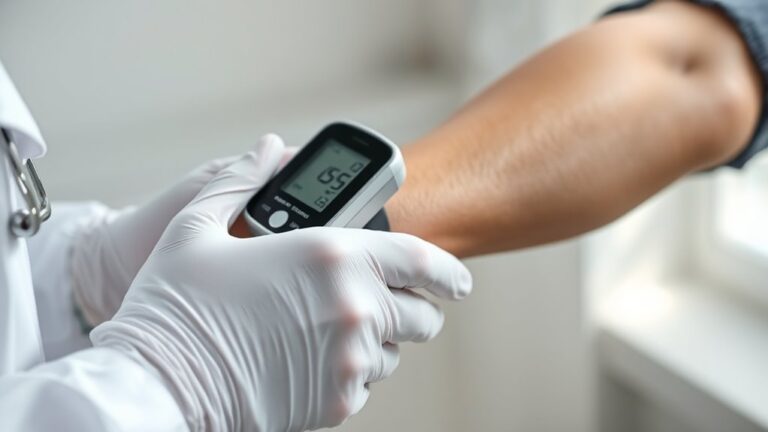
What Is a Comprehensive Health Test?
It can be difficult to know which health checks you really need, especially when symptoms are easy to overlook. You’re not alone—many people struggle to understand what a complete checkup includes. A comprehensive health test can make the process clearer.
A thorough health test gives you a broad view of your physical and mental well-being. It combines your medical history, essential signs, physical examination, laboratory tests, preventive screenings, lifestyle review, and mental health questions. Your provider uses the results to identify potential risks, detect conditions early, and create a personalized prevention or follow-up plan.
Testing may reveal concerns involving blood pressure, cholesterol, blood sugar, or organ function. You’ll also learn what the process includes, how to prepare, and how to interpret results.
Key Takeaways
- A comprehensive health test is a broad evaluation of your overall physical and mental well-being.
- It reviews medical history, medications, allergies, family risks, lifestyle habits, and recent health changes.
- Examinations typically measure vital signs, body composition, physical function, and general health indicators.
- Laboratory tests may assess blood counts, cholesterol, blood sugar, thyroid function, and organ health.
- Results help identify risks early and create personalized prevention, screening, treatment, and follow-up plans.
What Is a Comprehensive Health Test?

A thorough health test is an extensive medical assessment that checks multiple aspects of your well-being rather than focusing on one symptom or condition. It gives you and your healthcare professional a clearer picture of your current health, potential risks, and areas needing attention.
Unlike an appointment centered on a single complaint, this evaluation considers your overall wellness and may help identify concerns before noticeable symptoms appear.
A comprehensive evaluation looks beyond one complaint, offering insight into overall wellness and potential concerns before symptoms emerge.
You can use the results to understand how your habits, family history, age, and existing conditions may affect your health. The goal isn’t to label you or create unnecessary worry. Instead, it supports informed decisions and encourages prevention.
Your clinician can help you interpret findings, discuss realistic lifestyle adjustments, and recommend appropriate follow-up when needed. You may also investigate stress management as part of a broader plan for protecting your physical and emotional well-being.
Regular comprehensive evaluations can help you stay proactive, informed, and engaged in your long-term health.
What Does a Comprehensive Health Test Include?
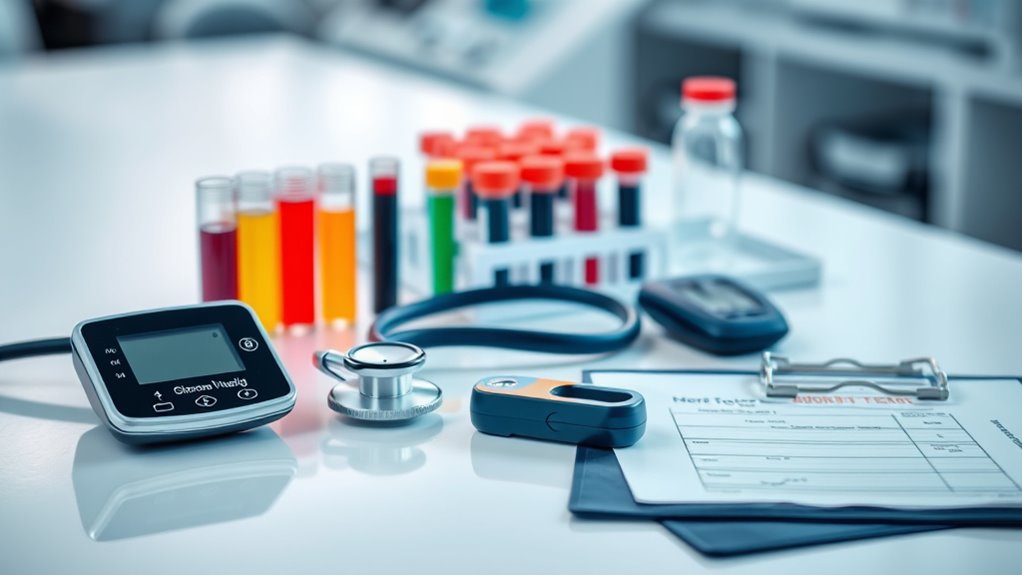
Extensive health assessments typically include several components: a medical history review, physical examination, essential-sign measurements, and laboratory tests such as blood or urine analysis.
You’ll also discuss lifestyle factors, including nutrition, activity, sleep, tobacco, and alcohol use. Your clinician may screen mental health with brief questions about mood, stress, anxiety, and daily functioning.
Depending on your age, symptoms, and risks, the evaluation can include vision, hearing, heart, lung, and skin checks, plus preventive screenings.
| Component | What you may receive | Purpose |
|---|---|---|
| Examination | Physical observations | Identify concerns |
| Measurements | Blood pressure, pulse | Track important signs |
| Laboratory tests | Blood or urine analysis | Detect conditions |
| Wellness screening | Mental health questions | Assess well-being |
Results help your clinician identify possible concerns and recommend appropriate follow-up.
An all-encompassing test doesn’t necessarily include every available test. You’ll receive services suited to your current needs, health goals, and examination findings.
Ask what each test measures and when you’ll receive results.
How Your Medical History Guides Testing

Your medical history helps your clinician decide which tests you need by revealing past conditions, surgeries, medications, allergies, family risks, and current symptoms. Sharing accurate details helps your clinician identify potential concerns and avoid unnecessary testing.
Your medical history guides personalized testing by highlighting risks, past conditions, treatments, allergies, and current symptoms.
Include recent changes, previous diagnoses, hospital stays, and treatments, even if they seem unrelated to your current health.
Your family background can highlight inherited risks, such as diabetes, heart disease, or certain cancers. Your medications and allergies also influence which tests are appropriate and how results should be interpreted.
If you’ve had abnormal results before, mention when they occurred and what follow-up you received.
Medical history supports personalized screening based on your age, risks, lifestyle, and health goals. Update it whenever something changes, and bring records when available.
Don’t hesitate to ask why a test is recommended or how your history affects the plan. Honest, complete information helps your clinician choose relevant evaluations and recognize when additional monitoring may benefit you.
Which Physical Exams Are Usually Included?
During a routine physical, clinicians typically check your essential signs, general appearance, heart and lungs, abdomen, skin, and neurological function. They’ll measure your temperature, pulse, breathing rate, blood pressure, height, and weight, then consider how these findings relate to your overall health.
Your provider may examine your eyes, ears, nose, throat, and lymph nodes. They’ll assess joint movement, muscle strength, reflexes, balance, posture, and gait to identify pain, weakness, or mobility concerns.
A Physical fitness review can help you understand your endurance, activity level, flexibility, and injury risk.
You might also receive a Nutrition assessment covering your eating patterns, hydration, appetite, and weight changes.
Depending on your age, sex, symptoms, and risk factors, your clinician may include breast, pelvic, prostate, or testicular exams. They may inspect your feet and check circulation, too.
These hands-on evaluations help reveal concerns that your history alone might not show. They also guide recommendations for prevention, lifestyle changes, or follow-up care.
Which Blood Tests Might You Need?
After the physical exam, blood tests can provide a closer look at how your organs and body systems are functioning. A complete blood count can reveal anemia, infection, or unusual changes in blood cells.
A thorough metabolic panel checks electrolytes, kidney function, liver enzymes, glucose, and proteins. This helps your clinician assess overall metabolism and organ health.
Your clinician might also order a lipid panel to measure cholesterol and triglycerides, or an A1C test to estimate average blood sugar. Thyroid tests can identify hormone imbalances that affect energy, weight, temperature tolerance, and heart rate.
A nutritional assessment may include iron, vitamin B12, folate, or vitamin D measurements when symptoms or diet suggest a deficiency.
Depending on your history, family background, and symptoms, testing may include inflammation markers, hormone levels, or genetic markers associated with inherited conditions.
Your clinician should choose tests based on your risks and concerns, explain the results, and recommend follow-up when necessary. Don’t assume broader testing always provides better information.
Which Preventive Screenings Find Problems Early?
Preventive screenings can detect certain conditions before symptoms appear, when treatment is often easier and more effective. Your clinician may recommend checks based on your age, medical history, and risk profile.
Blood pressure, cholesterol, and blood glucose screenings can reveal cardiovascular or metabolic concerns. Cancer screenings may include mammograms, cervical testing, colorectal tests, prostate discussions, or lung scans when appropriate.
Dental examinations can identify decay and gum disease early, while eye exams may uncover vision problems, glaucoma, or diabetes-related changes.
Your family history can point to inherited risks, and genetic markers may guide decisions about specific testing. Lifestyle factors, such as tobacco use, diet, alcohol consumption, activity, and sun exposure, can also influence which screenings you discuss.
Screening schedules vary, and not every test benefits every person. Ask your healthcare professional which options fit your circumstances, how often you need them, and what follow-up steps apply if results appear abnormal or uncertain.
Who Benefits From Comprehensive Health Testing?
Comprehensive health testing helps you understand your health risks before problems arise. It gives you useful information for planning preventive care and making informed decisions with your healthcare provider.
Health Risk Awareness
Who benefits from extensive health testing? You do, especially when you want a clearer picture of your current health risks.
Thorough testing can reveal signs of conditions that may not cause noticeable symptoms, including high blood pressure, abnormal cholesterol, blood sugar concerns, or organ-function changes.
Understanding these findings helps you recognize how your lifestyle habits may influence your health and where risks could develop over time.
Testing may also offer useful context if you have a family history of certain diseases, take medications, or experience unexplained changes in your body.
Your emotional well-being matters, too. Ongoing stress, sleep difficulties, or low mood can affect physical health and deserve attention.
Preventive Care Planning
When you understand your health risks, you can create a preventive care plan tailored to your needs. Thorough health testing helps you and your clinician choose screenings, vaccinations, and follow-up visits based on age, family history, symptoms, and results. You’ll gain practical steps instead of relying on guesswork.
- Prioritize screenings: Schedule tests for conditions you may develop, such as diabetes, high blood pressure, or certain cancers.
- Review Lifestyle habits: Adjust nutrition, physical activity, sleep, tobacco use, and alcohol intake to lower risks.
- Support mental health: Discuss stress, anxiety, depression, and available counseling or treatment options.
- Plan follow-up care: Track results, set reminders, and update your plan as your health changes.
You’ll benefit most when you participate actively, ask questions, and share accurate information. Regular reviews keep prevention aligned with your evolving needs.
How Should You Prepare for Testing?
Preparing for a thorough health exam starts with following your provider’s instructions carefully. Ask what you should do before arriving, including whether you need to fast or avoid specific foods.
Follow any dietary restrictions precisely, since eating or drinking can affect blood sugar, cholesterol, or other results. Confirm medication considerations with your provider rather than stopping prescriptions on your own.
Some medicines, vitamins, and supplements can influence testing or interact with preparation instructions.
Wear comfortable clothing that allows easy access to your arm or other examination areas. Bring a current list of medications, allergies, medical conditions, and relevant family history.
Pack identification, insurance information, and any forms your provider requested. If you’ll provide a urine or stool sample, ask how to collect and transport it correctly.
Get adequate rest, drink water unless you’ve been told otherwise, and arrive early. Tell the healthcare team if you feel unwell, misunderstood instructions, or couldn’t complete the preparation.
Clear communication helps produce accurate, useful results.
How Often Should You Get Tested?
The right testing schedule depends on your age, health history, risk factors, and the type of exam. You may need routine checkups yearly, while certain screenings occur every few years or only at specific ages. Your clinician can build a schedule that fits your needs.
Your ideal testing schedule depends on your age, health history, risk factors, and the type of screening.
- Review your age-based screenings. Ask when to check blood pressure, cholesterol, blood sugar, cancer risks, and other key measures.
- Consider your personal risks. Family history, ongoing conditions, medications, and past results may require more frequent visits.
- Discuss lifestyle habits. Smoking, alcohol use, diet, exercise, sleep, and sexual health can influence which tests you need and how often.
- Include a mental health assessment. Regular conversations about mood, stress, anxiety, and substance use can support early help.
Don’t wait for symptoms if you’re due for preventive care. Contact your healthcare professional when you notice changes, develop new risks, or aren’t sure when testing is appropriate. Keep a record of appointments and ask for reminders so you can stay on schedule.
What Do Your Test Results Mean?
Keeping up with recommended testing is only part of preventive care; understanding the results matters, too. Your provider will explain whether each measurement falls within a typical range and what the findings may mean for your health.
A result outside that range doesn’t automatically indicate disease. Factors such as medications, recent illness, hydration, fasting, and laboratory differences can affect numbers.
Ask which results require follow-up, whether you need repeat testing, and how your findings compare with earlier tests. Your provider may recommend lifestyle modifications, additional evaluations, or treatment based on your overall health, symptoms, medical history, and risk factors, not one number alone.
Discuss questions openly, and request plain-language explanations if anything seems unclear. Results can also affect your mental health, especially when uncertainty causes worry.
Avoid interpreting reports through online searches alone. Instead, use reliable sources and your healthcare team to understand the next steps.
Seek prompt guidance for critical results or worsening symptoms. Keep a personal record to track changes over time.
Frequently Asked Questions
How Much Does a Comprehensive Health Test Typically Cost?
You’ll typically pay $100–$500 for a thorough health test, though prices vary by location, provider, included tests, and insurance coverage. A basic Wellness assessment may cost less, while extensive lab work, imaging, or specialist consultations can exceed $1,000.
Ask your provider for an itemized estimate and check whether insurance covers Preventive screening. You might also find discounted packages through employer programs, community clinics, or direct-to-consumer testing services, but compare test quality carefully.
Does Health Insurance Cover Comprehensive Health Testing?
Coverage can change considerably, so check your health plan before scheduling extensive testing. Many insurers cover recommended preventive screenings, such as blood pressure, cholesterol, cancer, and diabetes checks, when you meet age or risk guidelines.
They may also cover health risk assessments during annual wellness visits. However, broad panels, elective tests, or out-of-network services might require copayments or full payment.
Call your insurer and ask about eligibility, referrals, deductibles, and preauthorization.
Where Can I Schedule a Comprehensive Health Test?
You can schedule a thorough health test through your primary care physician, an independent diagnostic laboratory, or a reputable preventive health clinic. Start by asking whether the provider offers preventive screening, blood work, imaging, and a lifestyle assessment.
Check availability, credentials, costs, and insurance requirements before booking. Your insurer’s website can help you find covered facilities.
You can also request referrals from your doctor or use an accredited telehealth service for guidance.
Are Comprehensive Health Tests Available Through Telehealth Services?
Yes, you can access parts of a thorough health test through telehealth services. For example, you might complete virtual screenings for blood pressure, mental health, and lifestyle risks during a video visit, then visit a lab for bloodwork.
Remote diagnostics can also use connected devices to transmit heart rate or glucose readings. However, your clinician may require an in-person examination, imaging, or specialized testing. Ask whether your provider offers a hybrid appointment.
How Long Does It Take to Receive Comprehensive Health Test Results?
You’ll typically receive thorough health test results within a few days to two weeks, depending on the tests, laboratory processing, and your provider’s review. Basic blood work may return in 24–72 hours, while specialized testing can take longer.
Preventive screenings might require additional interpretation, and Lifestyle assessments often conclude during your follow-up appointment. Your clinician will explain findings, discuss next steps, and contact you sooner if any result needs prompt attention.
Conclusion
A thorough health test gives you a clearer map of your well-being. By combining your history, physical exam, and targeted blood tests, it can reveal hidden risks before they become roadblocks.
You’ll understand what your results mean and which next steps matter most. Don’t treat testing as a one-time finish line; view it as a compass for lifelong health.
With your clinician’s guidance, regular checkups help you make informed choices and keep your future on course. A comprehensive health test can help you stay proactive about your well-being.