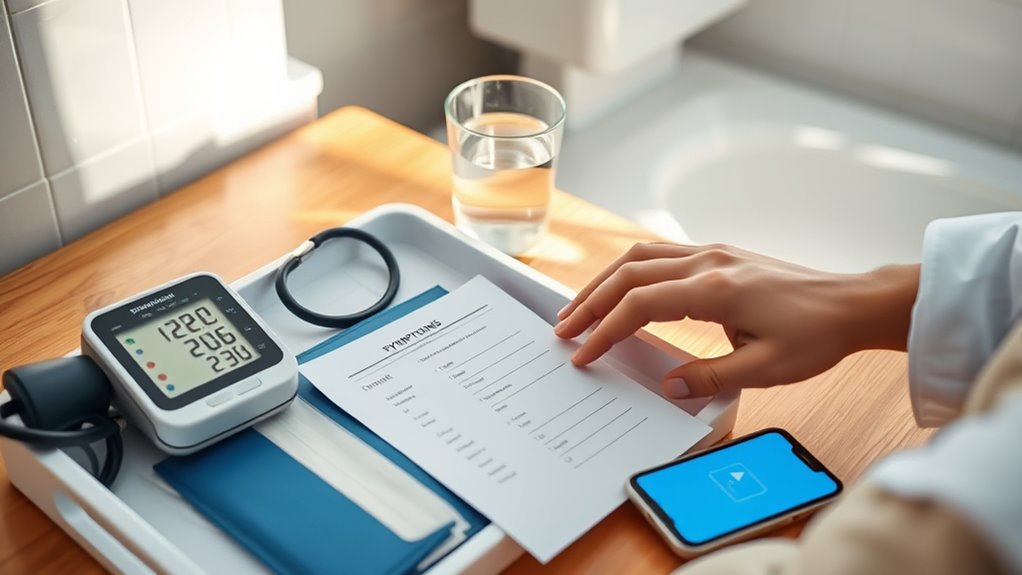
How to Prepare for a Doctor Checkup
Preparing for a doctor checkup can feel stressful, especially when you’re unsure what to bring, ask, or do beforehand. You’re not alone—many people struggle to keep track of symptoms, medications, paperwork, and appointment instructions.
Prepare for a doctor checkup by confirming the date, time, location, provider, transportation, and any test requirements. Gather your ID, insurance card, medication and allergy lists, medical records, test results, and vaccination history.
Write down symptoms, recent changes, home readings, and questions. Check whether you need to fast or adjust medications, but don’t change prescriptions without medical advice.
Pack glasses or hearing aids, wear comfortable clothing, and keep your notes handy for a smoother visit. Further tips can help you feel fully prepared.
Key Takeaways
- Gather your medication list, allergies, medical history, vaccination records, recent test results, and family health information.
- Track symptoms, including their onset, frequency, triggers, severity, and effects on your daily activities.
- Write down prioritized questions about symptoms, medications, lifestyle, screenings, and recommended follow-up care.
- Confirm appointment details, insurance requirements, transportation, and any necessary referrals or authorizations.
- Ask about test preparation, including fasting, medication instructions, deadlines, and what to do if you accidentally eat or drink.
Start With a Doctor Checkup Preparation Checklist

Before your appointment, create a doctor checkup preparation checklist to organize everything you need. Write down your current medications, supplements, allergies, and relevant medical history.
Prepare a checklist with your medications, allergies, supplements, and medical history before your doctor’s appointment.
Include symptoms, when they started, what triggers them, and questions you don’t want to forget. Gather recent test results, vaccination records, and information about family health conditions if you have them.
Review your daily habits so you can describe your diet, exercise, sleep, alcohol use, tobacco use, and stress levels accurately. Note any lifestyle adjustments you’ve made and whether they’ve helped.
Your checklist can also support mental preparedness by helping you identify concerns and decide which topics matter most. Keep everything in one notebook or digital file, and update it whenever something changes.
Avoid guessing during your visit. Record dates, doses, and patterns as clearly as possible. A well-organized list helps you communicate efficiently and gives you confidence when discussing your health with your doctor.
Schedule Your Doctor Checkup

Once your checklist is ready, schedule your doctor checkup at a time when you can discuss your concerns without feeling rushed. Consider your work, caregiving, and travel responsibilities before choosing an appointment.
If you often feel tired in the morning, an afternoon visit may help you communicate more clearly. If symptoms change during the day, choose a time when you usually notice them.
When you call or use the patient portal, have your preferred dates, contact information, and reason for the visit ready. Ask whether the doctor’s schedule offers enough time for your needs.
Request appointment reminders by text, email, or phone. Review clinic policies about cancellations, late arrivals, and rescheduling so you won’t face surprises.
- Choose a realistic appointment time.
- Provide accurate contact details.
- Save the visit in your calendar.
Confirm the date, time, location, and provider before ending the call. Then arrange transportation or time away from work, and set a personal reminder several days ahead.
Confirm Tests, Timing, and Checkup Requirements
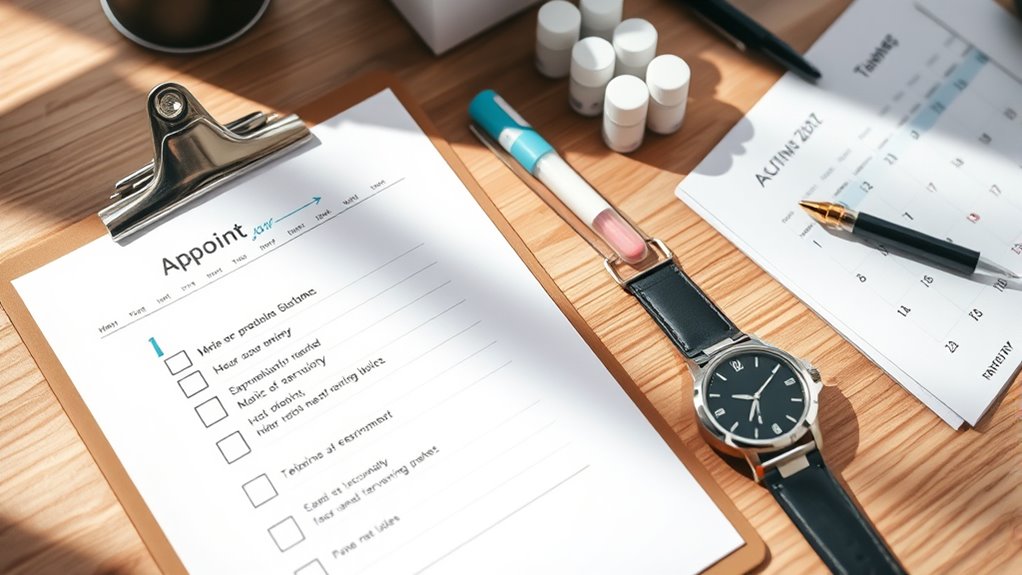
Before your checkup, confirm which tests you need and whether you must complete them in advance. Ask about fasting, medication instructions, and timing so you know exactly what to do and arrive prepared.
Confirm Required Tests
Ask your doctor which tests you need, when to complete them, and whether you must fast or follow other preparation instructions. Confirm the purpose of each test and ask what results your doctor needs before the visit.
This preparation can prevent missing information or repeating procedures.
- Blood tests: Ask whether you need a complete blood count, cholesterol panel, glucose test, or other laboratory work.
- Imaging scans: Find out whether you need an X-ray, ultrasound, MRI, CT scan, or another study.
- Records and reports: Ask whether you should bring previous results, medication lists, specialist notes, or home readings.
Write the instructions in your phone or notebook, and repeat them back to confirm you understand.
If you’re unsure about any requirement, contact the office before completing the test or preparing for your checkup.
Check Timing Requirements
Check when you need to complete each test and whether the results must reach your doctor by a specific date. Ask whether fasting, medication changes, or morning collection affects your preparation.
Confirm how long the laboratory needs to process results, and leave enough time for your doctor to review them before the checkup. If you need imaging or a specialist visit, schedule it early because openings may fill quickly.
Review appointment reminders for arrival times, required paperwork, and testing instructions. Call the clinic if details conflict or seem unclear.
Check clinic hours before visiting a laboratory, especially on weekends or holidays. Write every deadline in your calendar, including the appointment date and time.
You’ll reduce last-minute stress and help your doctor make decisions using complete, timely information during your visit.
Gather Your Medical Information
Gather your medical information before your checkup so your doctor can get an accurate picture of your health.
Start by updating your medication list, including dosages and supplements. It’s also helpful to note your medical history, such as past conditions, surgeries, allergies, and illnesses that run in your family.
Update Medication List
Keep your medication list current before your doctor checkup by recording every prescription, over-the-counter drug, vitamin, and supplement you take, along with its dose and how often you use it. Include medicines you use only occasionally, such as pain relievers or allergy tablets.
Check labels and pharmacy records to confirm spelling and strength.
- Note when you started each medication and its purpose.
- Mark medicines you’ve stopped, changed, or missed recently.
- Add allergies or side effects linked to a medication.
Bring the list, bottles, or clear photos to your appointment. Your doctor can review possible medication interactions, prevent duplicate treatments, and determine whether prescription renewals are appropriate.
Update the list after every change, including medicines prescribed by specialists or purchased online. Don’t rely on memory. An accurate list helps your care team make safer decisions.
Record Medical History
Your medication list is one part of the medical history your doctor needs. Gather information about past illnesses, surgeries, hospital stays, allergies, and ongoing conditions.
Include the names and dates of major procedures, even if they happened years ago. Note previous treatments, their results, and any serious reactions or side effects.
You should also record your family’s history of conditions such as diabetes, heart disease, cancer, and mental health disorders.
Write down relevant lifestyle details, including tobacco or alcohol use, exercise, and occupation. This patient background helps your doctor identify risks, understand symptoms, and choose appropriate tests or treatments.
Bring paper records or secure digital copies if available. If you can’t remember exact dates, provide approximate timelines and explain what you don’t know.
Record Symptoms and Recent Health Changes
Before your appointment, write down any symptoms or recent health changes, including when they started, how often they occur, what triggers or relieves them, and how they affect your daily life. Note changes in sleep, appetite, energy, mood, weight, digestion, pain, breathing, or movement.
Before your appointment, track symptoms, recent health changes, patterns, and daily impacts so you can discuss your concerns clearly.
Don’t rely on memory. Symptom tracking can reveal patterns you might otherwise miss.
Use a health diary, phone note, or printed chart to organize details. Include:
- The symptom’s location, severity, duration, and timing.
- Activities, foods, environments, or situations that worsen or ease it.
- Any effects on work, exercise, sleep, relationships, or self-care.
Record unusual readings or changes you’ve noticed, such as temperature, blood pressure, or blood sugar, if you normally monitor them.
Describe what the change feels like in your own words, and mark whether it’s improving, worsening, or staying the same.
Bring your notes to the checkup, and highlight your top concerns so you can discuss them clearly with your doctor.
Review Your Medications and Supplements
Gather every medication, vitamin, herbal product, and supplement you take, including prescriptions, over-the-counter products, and occasional remedies. Place everything in a bag, or create a complete list with each product’s name, strength, dose, and schedule.
Include medicines you use only when needed, such as pain relievers, antacids, allergy treatments, or sleep aids.
Note why you take each item and when you started using it. Your doctor can review whether every product remains necessary, identify duplicate ingredients, and recommend safer alternatives.
Discuss any recent changes, missed doses, side effects, or difficulty following your schedule. Don’t stop or adjust a prescribed medicine before speaking with your doctor.
Ask about medication interactions, including possible conflicts with new treatments, foods, or other products. You can also ask whether testing or evidence supports a supplement’s claimed benefits and discuss supplement efficacy.
Bring pharmacy records or photos of labels if you can’t transport containers. This information helps your doctor make informed decisions and keep your treatment plan safe, effective, and manageable.
Check Whether You Need to Fast
Check whether you need to fast before your appointment, especially if your doctor ordered blood tests or other procedures. Fasting can improve the accuracy of certain results, but requirements vary.
Confirm the instructions with your clinic rather than assuming you should skip food.
- Review the timing. Ask when you should stop eating and whether you can drink water. Some tests require eight to twelve hours without food, while others don’t require fasting.
- Check permitted items. Your clinic may allow plain water but restrict coffee, tea, gum, mints, alcohol, or flavored drinks. Follow its fasting guidelines carefully.
- Plan for medications. Don’t stop prescribed medicine unless your clinician specifically tells you to. Ask whether you should take it with a small sip of water.
Tell the staff if you accidentally eat or drink beforehand. They may continue, adjust the test, or reschedule it.
Also mention any dietary restrictions, diabetes, pregnancy, or prior problems with fasting so the clinic can keep you safe.
Prepare Questions for Your Doctor
Before your appointment, make a list of your health concerns so you don’t forget anything important. Ask your doctor about your treatment options, including the benefits, risks, and alternatives.
List Health Concerns
What health changes or questions have been on your mind? Write them down before your checkup so you won’t forget important details. Note when each concern began, how often it occurs, and whether anything makes it better or worse.
Include symptoms, daily habits, and changes in your health history.
- Record new symptoms, pain levels, sleep changes, or emotional concerns.
- List questions about diet adjustments, exercise routines, medications, allergies, or preventive screenings.
- Bring notes about home readings, such as temperature, blood pressure, blood sugar, or weight.
Use clear, specific language, and rank your concerns by importance. If you’re unsure whether something matters, include it anyway.
Your notes can help you describe patterns accurately and keep the conversation focused. Leave space to write your doctor’s answers and any follow-up instructions.
Ask About Treatment Options
Your list of symptoms and questions can guide a clear conversation about treatment options. Ask your doctor what approach best fits your diagnosis, overall health, goals, and budget.
Find out how each option works, how long you’ll need it, and what results you might expect. Discuss common side effects, serious risks, interactions, and signs that require prompt attention.
Ask whether lifestyle changes, medication, procedures, or monitoring could help. If your doctor recommends a procedure or prescription, ask about alternatives, costs, recovery, and expected benefits.
You can also ask about alternative therapies, but check whether evidence supports them and whether they could interfere with standard care. Request written instructions, and repeat key details in your own words.
If you’re uncertain, ask whether a second opinion makes sense before deciding.
Bring Insurance and Health Documents
Bring your insurance card, photo ID, medication list, and relevant medical records to the appointment. These items support Insurance verification and help your provider understand your health history.
Bring essential identification, insurance details, medications, and medical records to support verification and informed care.
Check that your insurance information is current, including your member number, group number, and insurer’s contact details. If your plan requires a referral, authorization, or copayment, confirm those requirements before the visit.
Use simple document organization so you can find important information quickly:
- Place your insurance card and identification together in a secure folder.
- Add recent test results, imaging reports, hospital summaries, and specialist notes.
- Keep an updated medication list with doses, allergies, supplements, and prescribing doctors.
Bring copies if your office doesn’t accept digital files, and save electronic records in an accessible format. Note any changes since your last appointment, such as a new diagnosis or treatment.
Protect sensitive information when sharing documents online, and ask the office which submission method it prefers. Accurate records reduce delays and help your doctor make informed decisions.
Follow a Checkup-Day Preparation Checklist
After organizing your insurance and health documents, use a checkup-day checklist to keep the visit on track. Confirm your appointment time, location, and transportation the night before. Set an alarm that gives you enough time to shower, dress comfortably, and arrive early.
Pack your Health insurance card, identification, medication list, allergy information, and Medical history. Include recent test results, home blood pressure readings, and questions you want to ask.
If you need to fast, follow your provider’s instructions about food, drinks, and medications. Otherwise, take prescribed medicines as directed unless your clinician tells you differently.
Wear clothing that makes an examination easy, and bring glasses, hearing aids, or mobility devices you use. Silence your phone before the visit, but keep it available for emergency contacts.
At check-in, verify your contact details and mention any new symptoms. Before leaving, confirm follow-up plans, prescriptions, referrals, and warning signs that require prompt care.
Frequently Asked Questions
How Long Does a Typical Doctor Checkup Take?
A typical doctor checkup takes about 15 to 30 minutes, though your visit may last longer if you discuss several concerns, complete tests, or review complex medical history.
You can save time by listing your symptoms, medications, and questions beforehand. During appointment scheduling, ask how much time your provider expects to need.
Your checkup might also include waiting, paperwork, essential signs, and follow-up instructions, so plan for roughly an hour overall.
Can I Bring Someone With Me to My Appointment?
Yes, you can usually bring someone with you to your appointment. They can serve as a steady hand while you navigate questions and decisions.
Tell the clinic during appointment scheduling so staff can confirm visitor policies, room limits, or accessibility arrangements.
If you’re concerned about privacy, you can ask your companion to wait outside for sensitive discussions. You may also request that staff explain what information they can share with your guest.
What Should I Wear to a Doctor Checkup?
Wear comfortable, loose-fitting clothes that let your doctor examine the area easily. Choose layers you can remove or adjust without hassle, and avoid complicated buttons, tight sleeves, or restrictive waistbands.
These clothing tips make your checkup smoother and help you stay comfortable. Appropriate attire may depend on your appointment: wear shorts for a leg exam, a tank top for shoulder concerns, or shoes you can remove easily for foot or balance testing.
How Can I Request an Interpreter or Accessibility Accommodations?
Request an interpreter or accessibility accommodations when you schedule your appointment. Tell the clinic what you need, such as language assistance, sign-language interpretation, mobility support, accessible parking, or communication aids.
You can call, use the patient portal, or ask your referring provider to arrange help. Contact the office several days ahead so staff can coordinate services.
Confirm your request before the visit, and explain any changes or additional needs immediately.
When Should I Expect Follow-Up Results After My Checkup?
You can usually expect follow-up results within a few days to two weeks, depending on the test. Laboratory turnaround often takes longer for specialized tests, so ask your clinician when you’ll hear back.
Confirm your preferred contact method before leaving, and check your patient portal regularly. If you don’t receive results by the promised date, call the office.
Follow-up scheduling may occur during your visit or after results arrive for review.
Conclusion
A little preparation can make your doctor checkup more productive and less stressful. Confirm your appointment, review any testing instructions, gather your medical information, and write down symptoms and questions.
Don’t forget your insurance details and relevant health documents. On checkup day, follow fasting or medication directions and arrive prepared to share honest updates.
Why leave important concerns to chance? Use this checklist to feel confident, communicate clearly, and get the most from your doctor checkup.