
A Simple Guide to Taking Care of Our Bodies
Taking care of your body can feel overwhelming when daily routines, product choices, and self-care advice compete for your attention. You’re not alone—many people struggle to build simple habits that actually stick.
This guide to taking care of our bodies highlights practical essentials to help you feel cleaner, healthier, and more confident every day.
Take care of your body with simple, consistent habits. Wash regularly, brush and floss your teeth, moisturize, use sunscreen, and keep personal items clean.
Eat balanced meals with vegetables, fruits, whole grains, protein, and healthy fats, while drinking water throughout the day.
Move regularly, add strength and stretching, and prioritize restful sleep.
Support your mental health through mindfulness, supportive relationships, and healthy boundaries.
Schedule checkups, track changes, and uncover more practical ways to make self-care stick.
Key Takeaways
- Eat balanced meals with vegetables, fruits, whole grains, lean proteins, healthy fats, and plenty of water.
- Maintain hygiene by bathing, brushing and flossing, washing hands, and changing clothes and bedding regularly.
- Stay active with enjoyable exercise, strength training, stretching, and adequate rest for recovery.
- Prioritize consistent sleep, stress management, mindfulness, and supportive relationships to protect mental well-being.
- Monitor health changes, attend regular checkups, and seek medical advice for persistent or unusual symptoms.
Build Your Daily Body-Care Routine
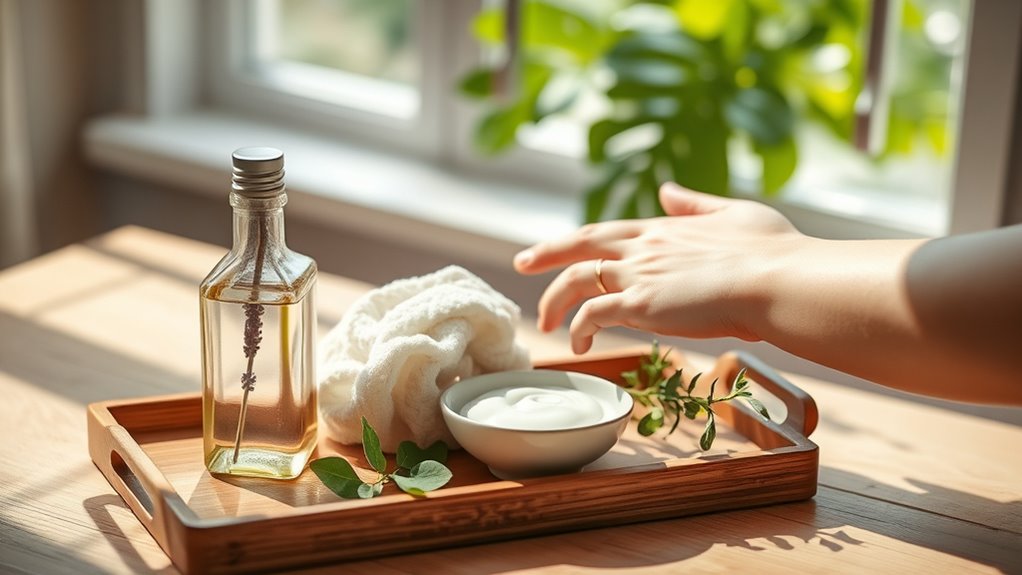
Building a daily body-care routine doesn’t have to be complicated. Start with a few practical habits that support your comfort, cleanliness, and confidence.
Wash your face gently each morning and evening, choosing products that match your skin type. Effective skincare routines don’t require a crowded shelf; consistency matters more than quantity.
After bathing, apply moisturizer while your skin is still slightly damp. This simple step helps maintain your skin barrier and supports lasting Body hydration.
Choose a fragrance-free lotion if your skin feels sensitive or dry. Pay special attention to areas such as your hands, elbows, knees, and feet.
Keep your routine easy to follow by storing essentials where you’ll use them. Replace harsh scrubs with gentle cleansing, and protect exposed skin with sunscreen during daytime activities.
At night, wash away sweat and makeup before moisturizing. Notice how your skin responds, then adjust products gradually.
A manageable routine helps you care for your body without turning self-care into another demanding task.
Eat a Balanced, Nutritious Diet

Caring for your body also means giving it the nutrients it needs each day. Build balanced meals with vegetables, fruits, whole grains, lean proteins, and healthy fats. These foods provide energy, support your immune system, and help your body repair itself.
Build balanced meals with nourishing foods to fuel your body, support immunity, and promote lasting health.
Use nutritional planning to create varied meals that fit your preferences, schedule, and health needs. Check labels when you choose packaged foods, and limit items high in added sugar, sodium, and saturated fat.
You don’t need to ban favorite treats. Enjoy them occasionally while keeping nutritious choices at the center of your diet.
Meal preparation can make healthy eating easier. Wash produce, cook staple ingredients, and portion snacks ahead of time so you’ll have convenient options during busy days.
Eat slowly and notice your hunger and fullness signals instead of rushing through meals. If you have allergies, dietary restrictions, or specific medical concerns, ask a qualified healthcare professional for personalized guidance.
Small, consistent choices can strengthen your health over time.
Drink Enough Water Every Day

Drink water regularly throughout the day to help regulate body temperature, transport nutrients, support digestion, and maintain energy. Your needs change with weather, activity, health, and diet, so listen to your body and sip consistently instead of waiting until you feel thirsty.
Hydration awareness helps you notice dry mouth, dark urine, headaches, or unusual tiredness, which may signal that you need fluids. Keep water nearby, drink with meals, and choose a reusable bottle for convenient access.
Fluid intake tracking can help you recognize patterns without turning hydration into a rigid rule.
| Helpful habit | Simple action |
|---|---|
| Morning start | Drink a glass after waking |
| Daily access | Carry a filled bottle |
| Check-in | Notice urine color and thirst |
Water usually provides the best choice, but milk, soups, and water-rich fruits also contribute. Limit sugary drinks, and ask a healthcare professional how much fluid you need if you have a medical condition.
Small, regular sips can keep your body supported throughout the day.
Move Your Body Regularly
Move your body regularly by choosing activities you enjoy, so exercise feels rewarding. Find a routine that works for you and stay active in ways that fit naturally into your day. You can also stretch and strengthen your muscles to improve flexibility, balance, and overall health.
Choose Enjoyable Activities
How can you make physical activity something to look forward to? Choose movement that sparks joy instead of treating exercise like a chore. When you enjoy what you’re doing, you’ll feel energized, confident, and eager to return to it.
Try options that match your personality:
- Join dance classes and let music lift your mood.
- Plan hiking adventures that fill your lungs with fresh air and your eyes with wonder.
- Play a favorite sport with friends and share plenty of laughter.
You might prefer swimming, cycling, skating, gardening, or stretching while listening to a podcast. Experiment with different activities and notice which ones leave you smiling.
Give yourself permission to change your choices. Your body deserves movement that feels rewarding, not punishing.
Choose activities that bring freedom, connection, and fun, so being active becomes a bright part of your day.
Build Consistent Habits
Once you’ve found activities you enjoy, build a routine that helps you do them regularly. Habit formation becomes easier when you connect movement with an existing daily cue, such as your morning coffee or lunch break.
Start with a realistic schedule, and protect that time on your calendar. Small steps count; consistency matters more than occasional intense efforts.
| Strategy | Example | Benefit |
|---|---|---|
| Set a cue | Walk after lunch | Builds predictability |
| Prepare ahead | Keep shoes by the door | Removes friction |
| Track progress | Mark each session | Reinforces commitment |
Use consistency strategies that fit your life, not someone else’s routine. If you miss a day, don’t label yourself unsuccessful.
Restart at the next opportunity and adjust your plan if needed. Invite a friend to join you or share your goal for encouragement.
Over time, repeated action can make regular movement feel natural.
Stretch And Strengthen
Stretching and strengthening give your body two complementary forms of support: flexibility for comfortable movement and muscle power for stability. Add gentle stretches to your morning or evening routine, holding each position without bouncing or forcing discomfort.
Then use bodyweight exercises, resistance bands, or light weights to build strength gradually. Consistent practice improves joint mobility, posture, balance, and muscle resilience, helping you move with greater confidence.
- You’ll feel proud when everyday tasks become easier.
- You’ll protect your independence by building reliable strength.
- You’ll reconnect with your body through patient, mindful movement.
Listen to your body and adjust exercises when pain, dizziness, or unusual weakness appears. A short session still counts, so don’t wait for perfect conditions.
Aim to move regularly, rest muscles between challenging workouts, and celebrate steady progress. Your body responds best to kindness, consistency, and realistic goals.
Build Strength and Improve Flexibility
You can build strength with simple exercises that safely challenge your muscles. Adding stretches can also improve flexibility and help you move more smoothly. Let’s look at some basic strength-training exercises and effective stretching techniques.
Strength Training Basics
Strength training builds muscle, supports strong bones, and improves flexibility when you move through each exercise’s full range of motion. You don’t need heavy equipment to begin.
Bodyweight movements, resistance bands, and light weights can challenge your muscles while you learn proper form. Start with manageable resistance, controlled repetitions, and rest between sessions.
Focus on steady progress rather than lifting as much as possible.
Resistance exercises can strengthen your legs, back, chest, shoulders, and core. They also support muscle development, balance, posture, and everyday energy.
Keep your routine safe by warming up briefly, breathing steadily, and stopping if you feel sharp pain.
- You’ll feel stronger carrying groceries.
- You’ll gain confidence in daily movement.
- You’ll celebrate progress you can see.
Train two or three times weekly, and give each muscle group time to recover before working it again.
Flexibility Through Stretching
After strength training, gentle stretching helps your muscles move freely and supports better flexibility. Stretching encourages muscle elongation, reduces stiffness, and helps you maintain comfortable movement throughout the day.
Begin with five to ten minutes of easy activity, such as walking, to warm your body.
Hold each stretch for 15 to 30 seconds without bouncing or forcing discomfort. Breathe steadily, relax your shoulders, and focus on the muscles you’re lengthening.
Include stretches for your legs, hips, chest, back, and shoulders. Regular practice can improve joint mobility, posture, and balance while supporting safer workouts.
Listen to your body. You should feel mild tension, not sharp pain or numbness.
Stretch after exercise or during a separate routine several times each week. Consistency matters more than intensity, so progress gradually and respect your limits.
Protect Your Sleep and Recovery
Protecting your sleep gives your body and mind the time they need to recover, repair, and prepare for the next day. Build consistent Sleep hygiene habits by keeping a regular bedtime, dimming lights before bed, and making your bedroom cool, quiet, and comfortable.
Put away screens early so your brain can slow down naturally.
Your body also needs thoughtful Recovery techniques after stretching, exercise, or a demanding day. Drink enough water, eat nourishing meals, and use gentle movement to ease muscle tension.
Give yourself rest days when soreness or fatigue signals that you need them.
- You’ll wake with more energy for the people and activities you love.
- You’ll help your muscles repair instead of carrying yesterday’s strain forward.
- You’ll feel proud when restful routines become a dependable gift to yourself.
Listen to your body’s signals, and adjust your schedule when necessary. Protecting recovery isn’t laziness; it’s how you build strength, prevent setbacks, and show your body lasting care.
Care for Your Mental Health
Caring for your mental health can help you feel more balanced and resilient. Try practicing mindfulness each day to manage stress and stay present. It also helps to build supportive connections, so you don’t have to face challenges alone.
Practice Mindfulness Daily
How often do you pause to notice what’s happening in your mind and body? Practicing mindfulness daily can help you respond to stress with greater calm and care.
Start with mindful breathing: inhale slowly, notice the air moving through your nose, then exhale fully. Even one quiet minute can interrupt racing thoughts.
Try daily meditation by sitting comfortably and focusing on your breath, sounds, or body sensations. When your mind wanders, gently return your attention without criticizing yourself.
You’re building awareness, not chasing perfection.
- You may feel calmer during difficult moments.
- You may recognize tension before it overwhelms you.
- You may treat yourself with more patience.
Add short mindfulness pauses to ordinary routines, such as showering, walking, or eating. Notice colors, textures, scents, and sounds.
These small choices can nurture emotional balance throughout your day.
Build Supportive Connections
Mindfulness helps you notice your feelings, and supportive connections give you space to share and process them. Build relationships with people who respect your experiences, listen without judgment, and encourage healthy choices.
You don’t need a large circle; a few dependable connections can strengthen your emotional support and help you feel understood.
Make time for social bonding by calling a friend, sharing a meal, joining a group, or taking a walk together. Speak honestly about what you need, and ask others how you can support them.
When conversations feel difficult, use calm words and listen carefully instead of rushing to solve every problem. Set boundaries with people who drain or dismiss you.
If loneliness, anxiety, or sadness persists, reach out to a counselor or trusted professional. Connection supports your mental health and helps you care for your whole body.
Practice Good Hygiene Every Day
Good hygiene helps protect your health and keeps you feeling fresh each day. Personal hygiene also supports your confidence, comfort, and health.
Good hygiene protects your health while supporting daily comfort, confidence, and a fresh sense of well-being.
Wash your hands with soap and water before eating, after using the bathroom, and whenever they’re visibly dirty. Bathe regularly, clean your face, and use deodorant to remove sweat and odor.
Brush your teeth twice daily, floss, and replace your toothbrush when its bristles wear down.
Simple cleanliness routines can make self-care feel manageable:
- You’ll feel proud and refreshed when you care for yourself consistently.
- Clean hands help protect you and the people you love from germs.
- Fresh clothes and a tidy body can boost your comfort throughout the day.
Trim your nails, wash your hair as needed, and cover coughs and sneezes with your elbow or a tissue.
Change underwear and socks daily, and wash towels and bedding regularly. Keep personal items, such as toothbrushes and razors, to yourself.
These habits don’t need perfection. Practice them steadily, and you’ll build a healthier, more confident daily routine.
Schedule Checkups and Track Body Changes
Regular checkups help you stay informed about your health and catch potential problems early. Make routine scheduling part of your calendar by booking visits before you leave each appointment.
Your healthcare professional can recommend how often you need physical exams, screenings, dental visits, eye exams, or vaccinations based on your age, history, and risks.
Between appointments, practice body monitoring without becoming anxious. Notice changes in your skin, weight, energy, digestion, sleep, pain, or mood.
Keep a brief record of when symptoms begin, what makes them better or worse, and how they affect daily activities. Bring these notes, medication details, and questions to your visits so you can explain concerns clearly.
Don’t ignore unusual or lasting changes, even if they seem minor. Contact a healthcare professional for guidance, and seek urgent care for severe symptoms, sudden weakness, breathing trouble, chest pain, or serious injury.
Regular attention helps you recognize patterns and make informed decisions about your care.
Make Healthy Body-Care Habits Stick
Healthy body-care habits become easier to maintain when you connect them to routines you already follow. Brush your teeth after breakfast, stretch while your coffee brews, or apply moisturizer after washing your face. Small, predictable actions reduce decision fatigue and help care feel natural.
Connect self-care to routines you already follow, making healthy habits feel natural, manageable, and easier to maintain.
Choose habits that support your whole self, not just your appearance. Mindful grooming can become a calming pause, while balanced meals, restful sleep, movement, and hydration strengthen holistic wellness.
Start with one change, practice it consistently, then add another when it feels manageable.
- You’ll feel more confident when caring for yourself becomes dependable.
- You’ll notice greater energy when daily choices support your body.
- You’ll feel proud each time you keep a promise to yourself.
Track your progress without demanding perfection. If you miss a day, restart at the next opportunity instead of judging yourself.
Keep helpful products visible, prepare them in advance, and celebrate steady effort. Your goal isn’t flawless behavior; it’s creating supportive routines that last through busy, difficult, and changing seasons.
Frequently Asked Questions
How Can I Care for My Body While Managing a Chronic Health Condition?
You can care for your body by following your treatment plan, attending appointments, and tracking symptoms, medications, and changes.
Build healthy habits, including balanced meals, gentle activity approved by your clinician, sufficient sleep, hydration, and stress management.
Make routine adjustments gradually, based on your energy and symptoms.
Communicate openly with your healthcare team, and ask before changing treatment.
Seek urgent help for severe, sudden, or unusual symptoms.
What Body-Care Products Are Safest for Sensitive or Allergy-Prone Skin?
Choose fragrance-free cleansers, moisturizers, and sunscreens labeled noncomedogenic and hypoallergenic; your skin deserves a gentle shield, not a chemical storm. Look for short ingredient lists, ceramides, glycerin, and colloidal oatmeal.
Natural skincare can help, but “natural” doesn’t guarantee safety, so avoid essential oils, dyes, alcohol, and harsh exfoliants. Patch-test each product on your inner arm for several days.
Stop using anything that causes burning, swelling, itching, or rash, and consult your dermatologist.
How Should I Adapt Body Care During Pregnancy or Postpartum Recovery?
During pregnancy, choose gentle, fragrance-free products, moisturize regularly, and avoid retinoids, harsh acids, and unapproved essential oils. Build hydration habits by drinking regularly and using emollients for stretched, itchy skin.
Support comfort with posture correction, supportive footwear, and slow movements. After delivery, keep cleansing simple, protect incisions, and ask your clinician before treating rashes or using supplements.
Prioritize rest, nutrition, pelvic-floor guidance, and gradual activity as your body recovers.
When Should I Seek Professional Help for Persistent Body Pain or Unusual Symptoms?
When persistent pain becomes a storm that won’t pass, seek professional help rather than waiting it out. Contact a clinician promptly for worsening, severe, or unexplained pain; symptoms lasting several days; fever; swelling; weakness; numbness; unusual bleeding; breathing trouble; or changes in bladder or bowel control.
Early symptom recognition supports timely evaluation. Ask your clinician about safe Pain management strategies, especially during pregnancy or postpartum recovery.
Seek emergency care for sudden, severe symptoms.
How Can I Choose Environmentally Friendly Body-Care Products and Practices?
Choose body-care products with eco-friendly ingredients, such as plant-based, biodegradable, and responsibly sourced materials, while avoiding unnecessary fragrances, microbeads, and harsh chemicals. Look for sustainable packaging made from recycled, recyclable, refillable, or compostable materials.
Buy concentrated products, choose durable reusable tools, and support transparent companies with credible certifications. Use only what you need, reduce water waste, and dispose of containers properly according to local recycling guidelines whenever possible.
Conclusion
Caring for your body doesn’t require perfection, just small choices repeated daily. Drink water, eat nourishing foods, move often, rest well, and keep up with hygiene and checkups.
As you care for your body, you may notice an unexpected coincidence: your mood, energy, and confidence can improve together. Listen to your body, adjust when needed, and celebrate progress.
With patience and consistency, healthy habits can become a natural part of the life you love. This simple guide to taking care of our bodies can help you build a healthier, happier routine.