
5 Things Included in a Full Health Screening
Many people struggle to know what a complete health checkup should include, especially when appointments feel rushed or confusing. You’re not alone—understanding each step can make it easier to prepare, ask questions, and feel confident about your care.
A full health screening includes five key areas: essential signs, health history, blood tests, heart and lung checks, and results interpretation.
Your provider measures blood pressure, pulse, temperature, breathing, height, weight, and BMI.
You’ll discuss illnesses, medications, allergies, family history, and lifestyle habits.
Blood tests assess sugar, cholesterol, blood counts, and organ function.
Heart and lung evaluations may include oxygen checks, listening exams, or spirometry.
Your clinician then explains results and recommends follow-up, while the sections ahead clarify each step.
Key Takeaways
- Vital signs and body measurements, including blood pressure, heart rate, temperature, height, weight, and BMI.
- A review of medical history, medications, allergies, family history, symptoms, and lifestyle habits.
- Blood tests checking blood counts, blood sugar, cholesterol, kidney function, liver function, and electrolytes.
- Heart and lung assessments, including oxygen saturation, auscultation, and sometimes electrocardiograms or spirometry.
- Interpretation of results with personalized advice, repeat testing, lifestyle recommendations, or specialist referrals when needed.
Vital Signs in a Full Health Screening
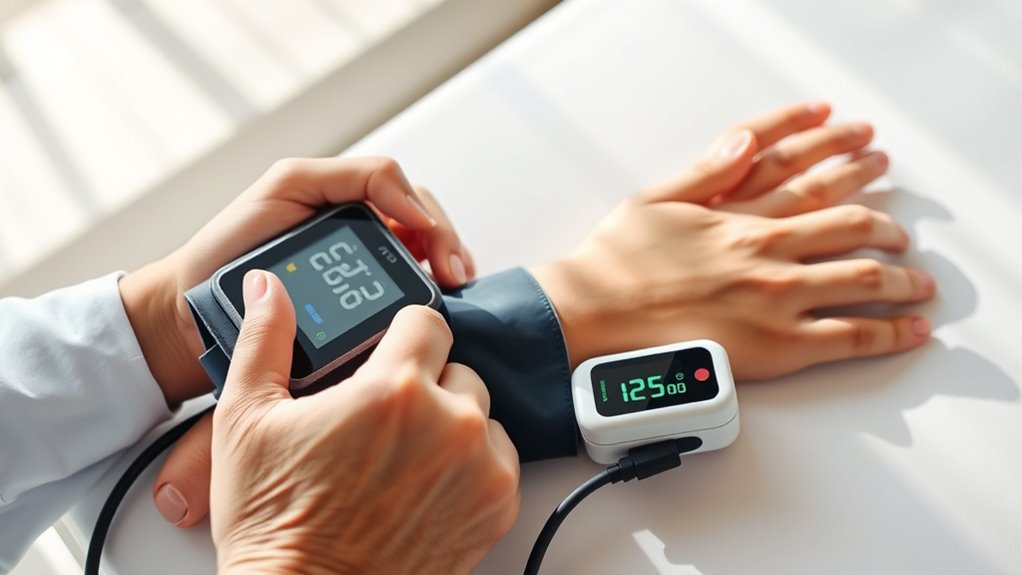
Essential signs are a core part of a full health screening, giving your healthcare provider a quick overview of how your body is functioning. You’ll typically have your blood pressure, heart rate, breathing rate, temperature, height, weight, and body mass index measured.
These readings can reveal patterns that deserve attention, such as high blood pressure, an irregular pulse, fever, or changes in weight.
Your provider may compare results with standard ranges and consider how lifestyle habits, including exercise, nutrition, sleep, stress, alcohol use, and tobacco exposure, affect them.
Genetic factors can also influence typical readings and your risk for certain conditions. A single result doesn’t always explain your overall health, so your provider may repeat measurements after you rest or use a different method.
Accurate readings help guide appropriate screening and support practical steps to protect your health. You can improve accuracy by avoiding strenuous activity, caffeine, or smoking shortly before the appointment, when possible.
How Your Health History Guides Testing

Your health history helps your provider decide which tests you need and how to interpret your essential signs. During your visit, you’ll discuss past illnesses, surgeries, allergies, medications, and ongoing symptoms. These details help your provider identify risks, recognize patterns, and choose screening methods that fit your needs.
Your health history helps providers interpret vital signs, identify risks, and choose screenings suited to your individual needs.
Your family history also matters. Relatives with diabetes, heart disease, certain cancers, or inherited conditions may prompt earlier or more frequent evaluations. Be specific about diagnoses and the ages when relatives developed them, if you know.
A lifestyle assessment adds context. Your provider may ask about nutrition, physical activity, sleep, stress, tobacco, alcohol, and other substance use. Honest answers help create realistic recommendations and identify habits that may affect your health.
You should mention recent changes, such as unexplained weight shifts, fatigue, pain, or mood concerns. Bring an updated medication list and relevant records. Sharing complete information helps your provider avoid unnecessary testing and focus on care that supports your current health.
Blood Tests in a Full Health Screening
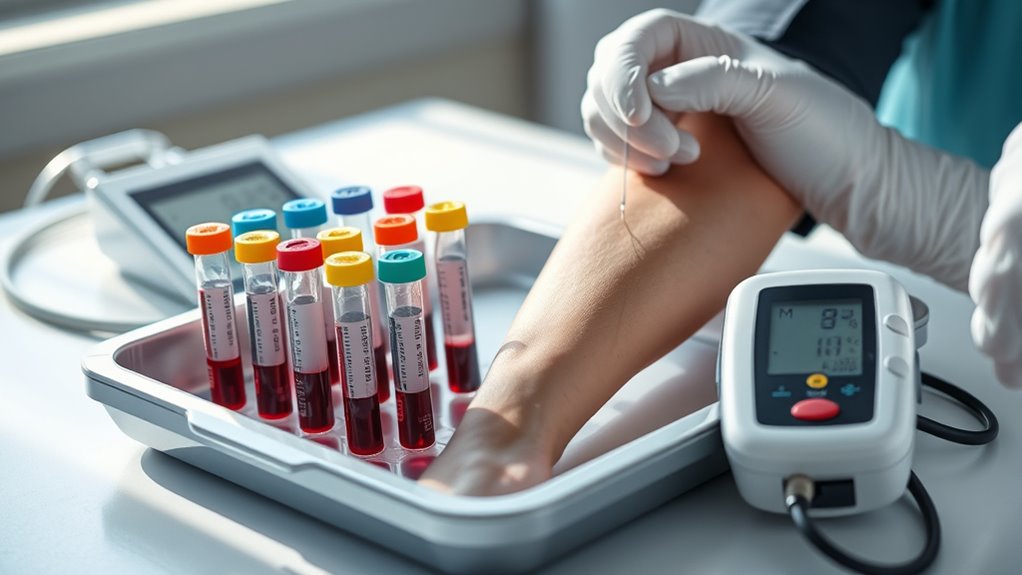
Blood tests provide a clear snapshot of how your body is functioning during a full health screening. Your clinician may check a complete blood count to identify signs of anemia, infection, or other concerns.
Chemistry tests can assess liver and kidney function, electrolytes, and protein levels. Measuring Cholesterol levels helps reveal patterns linked with cardiovascular risk, while testing Blood sugar can identify diabetes or prediabetes.
Your results give you useful information, but one reading doesn’t always tell the whole story. Fasting requirements, medicines, illness, and recent activity may affect certain values.
Follow your clinician’s preparation instructions carefully. Your clinician will explain what each result means for you and recommend follow-up testing when needed.
Tests may commonly evaluate:
- Red and white blood cells, hemoglobin, and platelets
- Liver enzymes, kidney markers, electrolytes, and proteins
- Glucose, Cholesterol levels, and other metabolic indicators
Keep a record of your results so you can track changes over time. Discuss any questions during your appointment.
Heart and Lung Checks
Heart and lung checks show how well your cardiovascular and respiratory systems are working. During your screening, a healthcare professional measures your heart rate and blood pressure, then listens to your heart with a stethoscope. These checks can reveal irregular rhythms, unusual sounds, or signs of strain.
You’ll also have your breathing assessed. The clinician may measure your oxygen saturation with a fingertip device and listen to your lungs for wheezing, crackles, or reduced airflow.
A spirometry test might measure your lung capacity by recording how much air you breathe in and forcefully exhale. This test can help assess airflow and breathing strength.
Depending on your age, symptoms, and health history, your provider may recommend an electrocardiogram or chest imaging.
You’ll usually sit calmly before measurements, and you should mention medications, exercise habits, smoking, or breathing concerns. Wear comfortable clothing so the team can examine your chest and position monitoring equipment easily.
What Your Screening Results Mean
Once the checks are complete, your clinician reviews the findings to see how your heart, lungs, and other systems are functioning. You’ll discuss whether each result falls within a healthy range, needs monitoring, or requires further testing.
Your clinician reviews your results, explains what they mean, and identifies whether follow-up testing or monitoring is needed.
One unusual reading doesn’t always indicate illness. Temporary factors, such as stress, medication, or fasting, can affect results.
Your clinician may explain cholesterol, blood sugar, blood pressure, kidney function, and other measurements in context. Genetic markers can show inherited risks, but they don’t guarantee that you’ll develop a condition.
Your mental health assessment may also identify stress, anxiety, depression, or sleep concerns that deserve support.
Ask questions and request clear next steps. Your results might lead to lifestyle advice, repeat screening, or referral to a specialist.
- Normal results support continued preventive care.
- Borderline findings often call for monitoring or changes.
- Abnormal results may require confirmation before diagnosis.
Keep a copy of your report and follow the recommended timeline. Contact your clinician sooner if symptoms develop or your results cause concern.
Frequently Asked Questions
How Should I Prepare Before Attending a Full Health Screening?
Before attending a full health screening, follow your clinic’s instructions carefully. Ask about diet restrictions, especially whether you should fast and when you should stop eating or drinking.
Discuss any medication adjustments with your healthcare provider, and don’t stop prescriptions without approval. Bring identification, insurance details, medication lists, medical records, and questions.
Wear comfortable clothing, arrive early, and tell staff about symptoms, allergies, or relevant health changes before testing begins.
How Long Does a Full Health Screening Appointment Usually Take?
A full health screening appointment usually takes between 30 minutes and two hours, depending on the tests you need. Your health assessment may include measurements, blood tests, imaging, and a consultation, so appointment duration varies by clinic and package.
You’ll often complete paperwork first, then meet a healthcare professional to review your results or discuss concerns. Ask the clinic for an estimated schedule beforehand, especially if you need several tests.
How Often Should I Schedule a Full Health Screening?
You should usually schedule a full health screening every one to three years, depending on your age, health history, and risk factors. About 80% of chronic diseases are preventable, making regular Preventive care especially valuable.
Your clinician can personalize the timing through a Risk assessment, considering family history, lifestyle, medications, and previous results. If you have symptoms or increased risks, don’t wait for your next routine appointment. Ask whether you need screening sooner.
Are Full Health Screenings Covered by Health Insurance?
Insurance coverage for full health screenings varies by your plan, location, age, and medical needs. Your insurer may fully cover preventive visits and recommended tests, but you could pay for extra services, deductibles, copayments, or coinsurance.
Cost considerations matter, especially when a screening isn’t medically necessary or falls outside preventive benefits. Check your policy, contact your insurer, and ask your provider for billing codes and estimated charges before scheduling the appointment.
Can Children or Teenagers Undergo a Full Health Screening?
Yes, your child or teenager can undergo a full health screening, but the tests should match their age, medical history, development, and concerns. Think of it as a tune-up for growing bodies.
A pediatrician can provide Child wellness visits, monitor growth, review vaccinations, check vision and hearing, and discuss nutrition, sleep, and mental health.
For older youth, a Teen health assessment may include puberty, substance use, sexual health, and emotional well-being discussions.
Conclusion
A full health screening brings small clues together to reveal the bigger picture. Your essential signs, health history, blood tests, and heart and lung checks work like pieces of a puzzle.
Sometimes, one unexpected result connects everything. Once you understand what your results mean, you can spot risks early and make confident choices.
By coincidence, the simple checkup you schedule today could align perfectly with the moment your health needs attention most. A full health screening can help you take action at the right time.