3 Simple Keys to Personal Health and Wellness
Staying healthy can feel overwhelming when busy schedules, low energy, and daily stress get in the way. You’re not alone—many people struggle to build routines that support lasting health and wellness. The right products can make these simple habits easier to maintain.
You can support personal health and wellness with three simple habits: eat balanced meals, move regularly, and manage stress. Combine lean protein, high-fiber carbohydrates, colorful produce, and healthy fats to sustain energy.
Choose enjoyable activities like walking, dancing, cycling, or stretching, and build movement into your day. Take mindful pauses, protect your sleep, and connect with supportive people.
Notice changes in mood, appetite, or sleep, and seek help when needed. The practical steps ahead can help you get started.
Key Takeaways
- Eat balanced meals with lean protein, high-fiber carbohydrates, healthy fats, and plenty of colorful produce.
- Plan nourishing food combinations and adjust portions according to hunger and fullness cues.
- Choose enjoyable movement, such as walking, dancing, cycling, or stretching, and build consistency gradually.
- Manage stress with mindful breathing, regular breaks, social connection, and calming sleep routines.
- Recognize persistent mood or behavior changes, seek support early, and contact professionals during serious mental health concerns.
Build Balanced Meals for Steady Energy
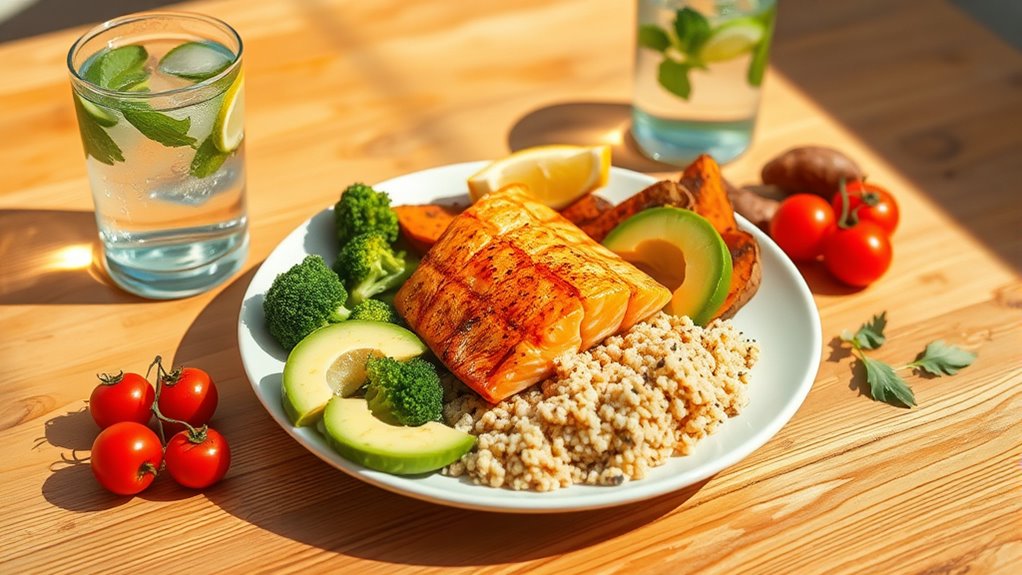
Build balanced meals by combining lean protein, high-fiber carbohydrates, healthy fats, and colorful produce. This combination helps you maintain steady energy, support concentration, and manage hunger throughout the day.
Balance protein, fiber-rich carbohydrates, healthy fats, and colorful produce to support steady energy, focus, and lasting fullness.
Choose nutrient dense foods such as eggs, beans, fish, Greek yogurt, oats, leafy greens, berries, nuts, and avocado. These options provide essential vitamins, minerals, fiber, and protein without relying on heavily processed ingredients.
Use portion control to create satisfying plates without overeating. Fill half your plate with vegetables and fruit, one quarter with protein, and one quarter with whole grains or starchy vegetables.
Add a modest serving of healthy fat, such as olive oil or seeds. You don’t need perfection at every meal; aim for balance across your day.
Plan simple combinations before hunger strikes, and keep nourishing ingredients available. When you pair foods thoughtfully, you’ll feel fuller longer and make consistent choices that support your overall wellness.
Pay attention to hunger and fullness cues, too, so you can adjust portions confidently.
Add Enjoyable Movement to Your Daily Routine

Choose movement you genuinely enjoy, whether it’s walking, dancing, cycling, stretching, or playing a sport. When exercise feels enjoyable, you’re more likely to make it a consistent part of your day.
Start with small opportunities, such as taking the stairs, walking during a break, or stretching while you watch television.
Explore fun outdoor activities like hiking, swimming, gardening, or tossing a ball with friends. You don’t need expensive equipment or a complicated plan; you need an activity that fits your interests and schedule.
Try dancing for exercise by following a video, joining a class, or playing your favorite songs at home.
Vary your routine to keep it interesting and challenge different muscle groups. Invite someone to join you, or set a simple goal, such as moving for 20 to 30 minutes most days.
Listen to your body, increase intensity gradually, and choose rest when you need it. Consistent, enjoyable movement can improve strength, mobility, and everyday energy.
Manage Stress and Protect Your Mental Health
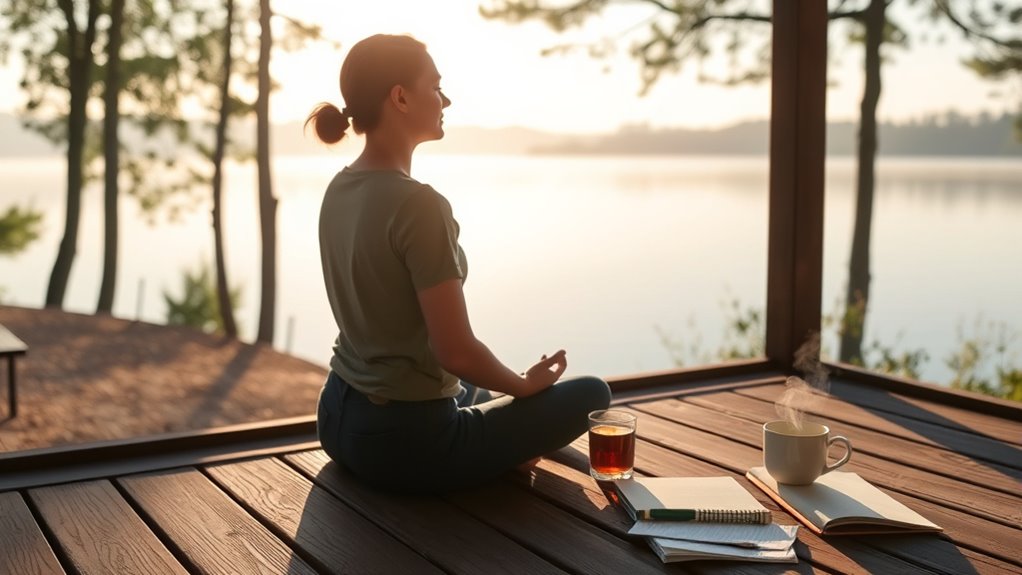
Regular movement can lift your mood, but managing stress also requires intentional mental breaks. Give yourself permission to pause, breathe, and reset before tension overwhelms you. Small, consistent habits can protect your mental health and help you respond thoughtfully.
Intentional pauses and steady self-care habits can ease stress, protect mental health, and support thoughtful responses.
- Try mindfulness practices, such as focused breathing or a brief body scan.
- Break demanding tasks into smaller steps and schedule realistic pauses.
- Nurture social connections by calling a friend, sharing concerns, or joining a group.
- Protect your sleep by keeping a calming bedtime routine and limiting late-night screens.
Notice warning signs, including persistent sadness, irritability, hopelessness, or changes in sleep and appetite. You don’t have to manage these challenges alone.
Talk with someone you trust, and contact a qualified mental health professional when stress feels unmanageable or symptoms continue. If you’re in immediate danger, contact local emergency services or a crisis hotline.
You’ll build resilience by treating rest, support, and professional care as essential parts of wellness, not signs of weakness.
Frequently Asked Questions
How Much Sleep Should I Aim for Each Night?
Aim for seven to nine hours of sleep each night if you’re an adult. You may need more during illness, stress, or intense training, while teenagers typically need eight to ten hours.
Focus on consistent bedtimes, a dark, quiet room, and limited evening caffeine or screens. Track your energy and mood to judge sleep quality.
Dream analysis can be interesting, but vivid dreams don’t necessarily indicate restful or unhealthful sleep.
Which Preventive Health Screenings Should I Schedule Annually?
You don’t need every preventive screening annually. Schedule a yearly checkup to review blood pressure, weight, vaccines, medications, and Lifestyle habits.
Ask about cholesterol, diabetes, and cancer tests based on your age, sex, family history, and risks. Many screenings occur every few years, not yearly.
Discuss depression, substance use, sleep, and Stress management, too. Your clinician can personalize timing and recommend dental, vision, skin, or reproductive health visits as needed.
How Often Should I Drink Water Throughout the Day?
Sip steadily throughout the day instead of waiting until thirst knocks on your door. Build hydration routines by drinking water with meals, between activities, and whenever you feel thirsty.
Water intake guidelines generally suggest about 6–8 cups daily, though your needs vary with body size, exercise, heat, pregnancy, and illness. Check your urine: pale yellow usually signals good hydration.
Carry a reusable bottle, and increase intake during workouts or hot weather.
What Personal Hygiene Habits Help Prevent Illness?
You can prevent illness by practicing effective Handwashing techniques: wet your hands, apply soap, scrub every surface for at least 20 seconds, rinse, and dry thoroughly. Wash before eating, after using the bathroom, and after coughing or sneezing.
Follow consistent Oral hygiene routines by brushing twice daily with fluoride toothpaste, flossing daily, and replacing your toothbrush regularly. Shower, wash your hair, keep nails trimmed, cover coughs, and avoid sharing personal items.
When Should I Consult a Healthcare Professional About Symptoms?
Think of symptoms as dashboard lights: a flashing red one demands immediate action, while a steady amber light deserves attention soon.
Consult a healthcare professional when symptoms persist, worsen, recur, disrupt daily activities, or concern you despite seeming mild.
Seek urgent care for severe pain, difficulty breathing, high fever, confusion, dehydration, or sudden weakness.
Call emergency services for chest pain, stroke-like changes, uncontrolled bleeding, or loss of consciousness. Trust your instincts.
Conclusion
When you balance your meals, move in ways you enjoy, and make space to manage stress, you give your health a strong foundation. Small choices add up, much like drops filling a bucket or steps along a well-worn path.
You don’t need perfection, just consistent care for your body and mind. Listen to what you need, celebrate your progress, and keep going.
With these three simple keys to personal health and wellness, you can build well-being that lasts through every season.